The first four bullets echoed into the dark just as Elijah Hadley let go of the BB gun.
He did exactly what the deputy asked. Dropped the replica pistol in the brush. Raised his hands. Shouted, “It’s just a BB gun!”
But Deputy Jacob Diaz-Austin had already opened fire—once, twice, again. Hadley stumbled backward, fell onto the highway shoulder, and screamed. The bodycam caught it: a seventeen-year-old kid lying facedown in the dirt, crying out for help.
“You’re going to kill me… I’m going to die.”
Three and a half minutes passed. No medical aid, no approach. Just commands barked from behind a Glock. When Hadley tried to roll over, Diaz-Austin reloaded and emptied his magazine again. By the end, the deputy had fired 22 times—most after Elijah was already bleeding on the ground.
In Otero County, New Mexico, that’s what passed for a welfare check.
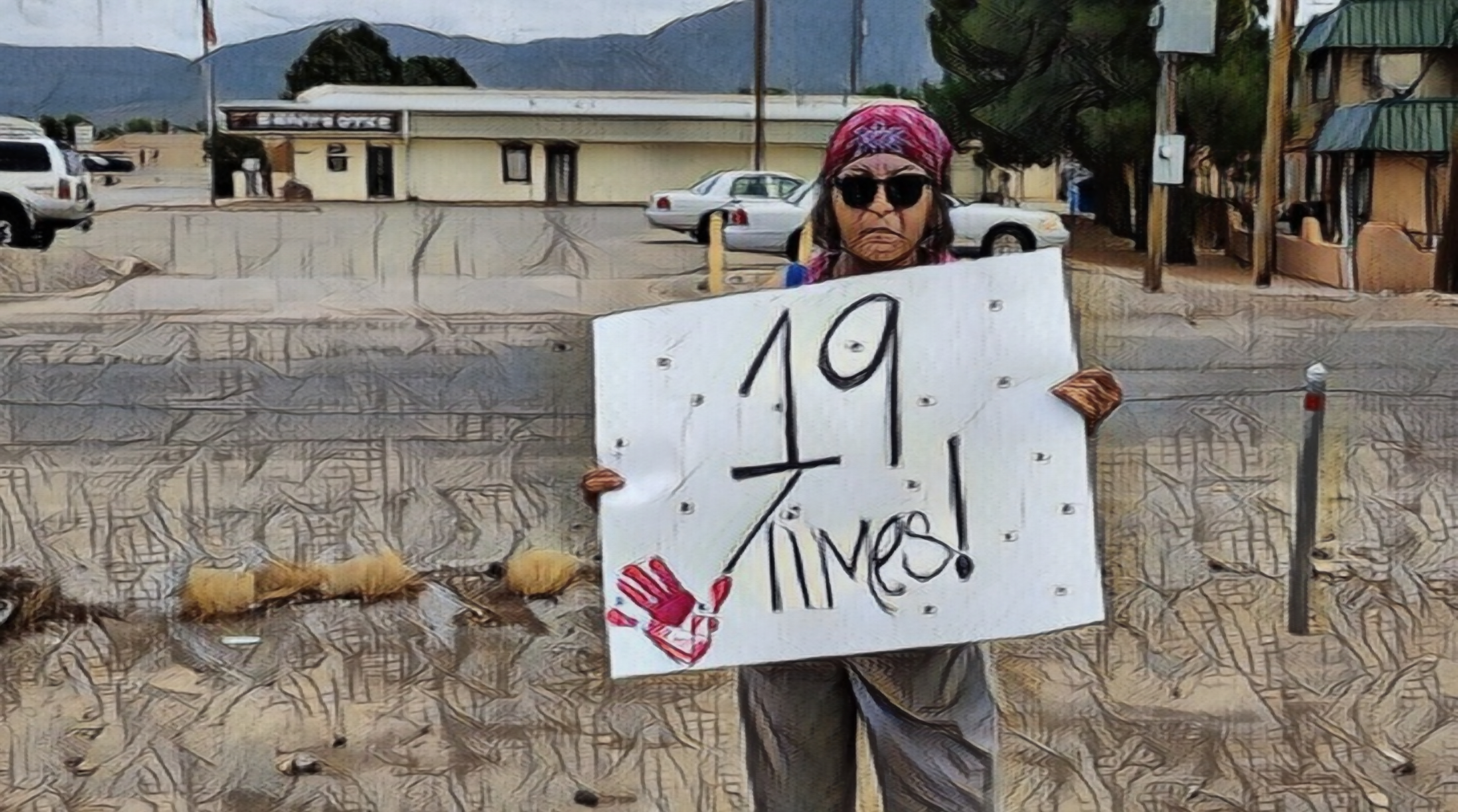
What followed has become one of the most scrutinized rural police shootings in years. First-degree murder charges. A civil rights lawsuit. Tribal protests. And the reappearance of a hard question, asked this time in Apache, English, and legalese: how did a check on a kid walking home turn into a firing squad?
At the time of the shooting, Diaz-Austin was 28, two years into his job. In an internal affairs interview, he said he saw a “sinister smile” on Hadley’s face. He used the phrase twice, as if rehearsed. Then added, “He wasn’t being overly emotional… he was relatively still.”
He couldn’t explain why that made him pull the trigger.
“He did everything he was told, and they still killed him.”
That’s how Valerie Espinoza put it, standing beside a roadside memorial marked by a wooden cross