It all began on a chilly Monday morning—January 30, 1933—when Germany’s aging President Paul von Hindenburg, despite personally disliking him, reluctantly appointed Adolf Hitler as chancellor. Newspapers buzzed with disbelief. Many Germans thought the new leader, a fiery speaker from the Nazi Party, wouldn’t last long. After all, Hitler had just suffered a big drop in votes the previous November. Yet in a matter of hours, he was taking his oath to uphold Germany’s constitution. Few realized how dangerously he intended to twist that very constitution until it was too late.
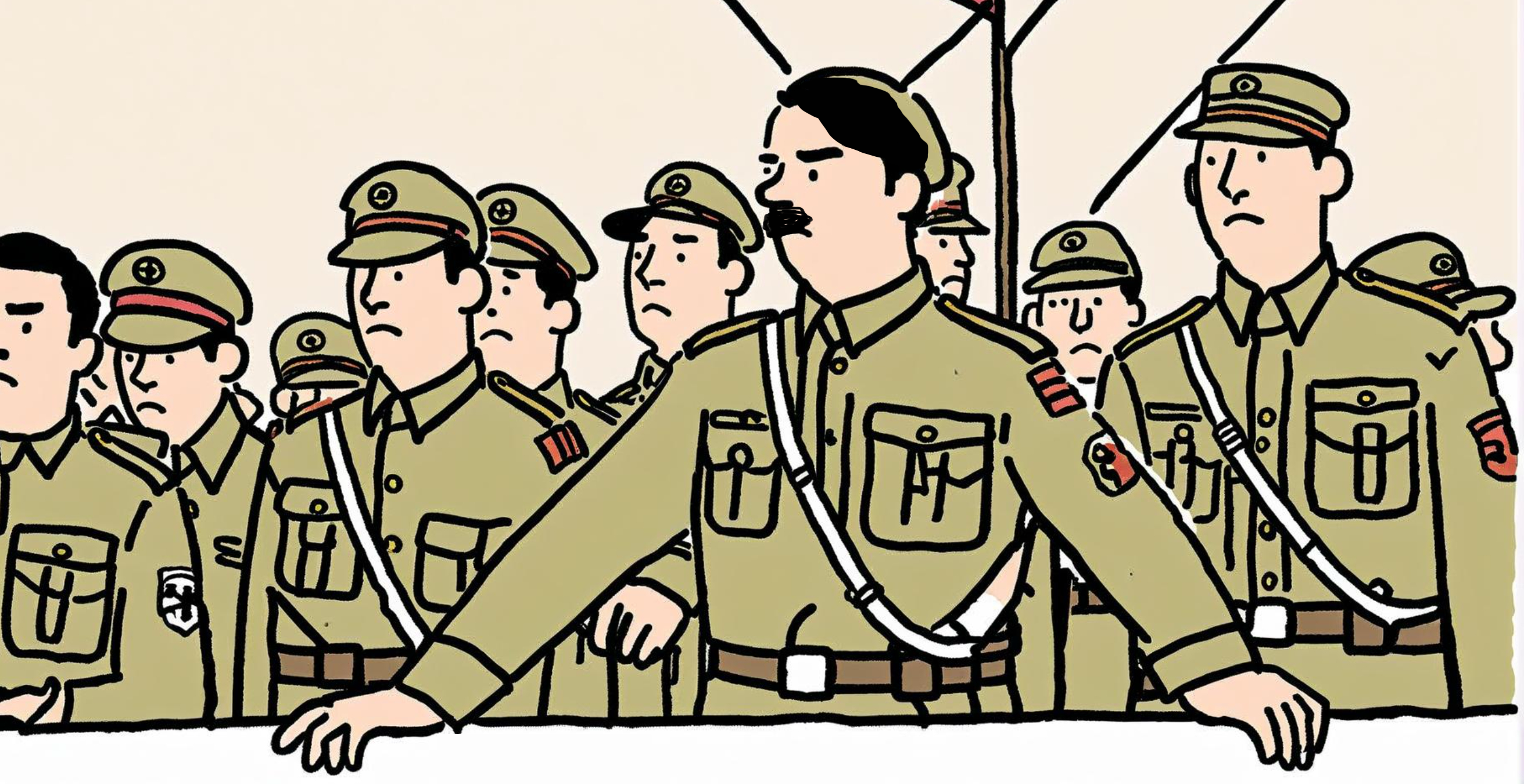
Almost as soon as he stepped into office, Hitler turned the government into a tool for smashing his enemies. He banned left-wing newspapers, arrested political rivals, and replaced local police with his own Nazi storm troopers—thugs in brown uniforms who suddenly had permission to do almost anything. Nighttime street battles became more common, and people who criticized the Nazis often disappeared behind bars with no hope of a fair trial. All the while, Hitler insisted he was saving Germany from communists, traitors, and anyone he deemed an “enemy of the people.”
Then came the Reichstag Fire on February 27. Flames swallowed Germany’s parliament building, and the spectacle lit the skies around Berlin. A confused young Dutch Communist was blamed, but many suspected something more sinister. Hitler insisted this was proof of a communist plot, warning that more attacks were coming. In the panic that followed, President Hindenburg signed an emergency decree allowing the government to raid homes, break up meetings, and imprison citizens without trial. Suddenly, Hitler’s fiercest opponents—most of them Social Democrats and Communists—could not speak, organize, or even run for office without being harassed or locked up.
A hastily held national election on March 5 did nothing to slow Hitler’s rise. Even though Nazi candidates won only 44 percent of the vote, the Communists were banned, and other frightened parties caved in. Hitler then demanded even greater authority. On March 23, amid a tense gathering in an opera house—since the actual Reichstag stood in ruins—he persuaded lawmakers to pass the “Enabling Act.”