Peace is good. Ending a needless war is good. Reopening the Strait of Hormuz is good. If the new U.S.-Iran memorandum of understanding stops the killing, reduces the danger to American service members, and prevents a global oil shock, that is welcome.
But it should not be mistaken for victory.
Ending a fire you started is better than letting it burn. It is not the same as having been wise with matches.
Donald Trump began this Iran crisis by abandoning the 2015 nuclear agreement negotiated under Barack Obama. He denounced that agreement as weak, foolish, and one of the worst deals ever made. He promised something stronger. He chose pressure over inspection, threats over patience, and eventually war over diplomacy.
Now he has accepted an interim framework whose most important nuclear terms remain to be negotiated.¹
That does not mean the memorandum should be rejected. If it ends the war, it is worth welcoming. But it does mean we should be honest about what it is. As published, it is not a stronger version of Obama’s nuclear agreement. It is a ceasefire and negotiation framework, built around the urgent need to stop a war and reopen a strategic waterway, with many of the hardest nuclear questions deferred.¹
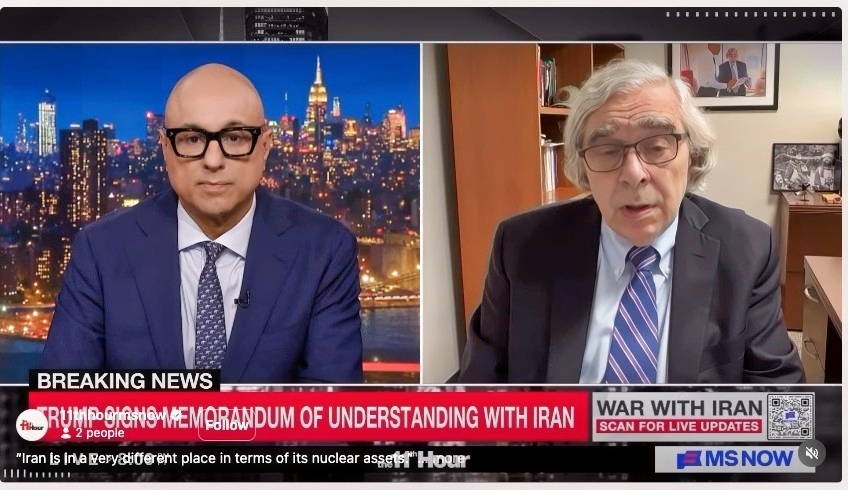
Ernest Moniz, the former energy secretary who played a central role in negotiating the JCPOA, made the point bluntly in an interview with Ali Velshi. The memorandum, he said, should not be thought of as an Iran nuclear deal at all. It is “basically an oil and commodities deal,” leaving “essentially all the hard problems” to be addressed in the next 60 days.²
That is not a criticism of ending the war. It is a warning against pretending that the nuclear problem has been solved.