A Working Earth, a Decent Life: What Maine’s Climate Plan Looks Like From the Job Site
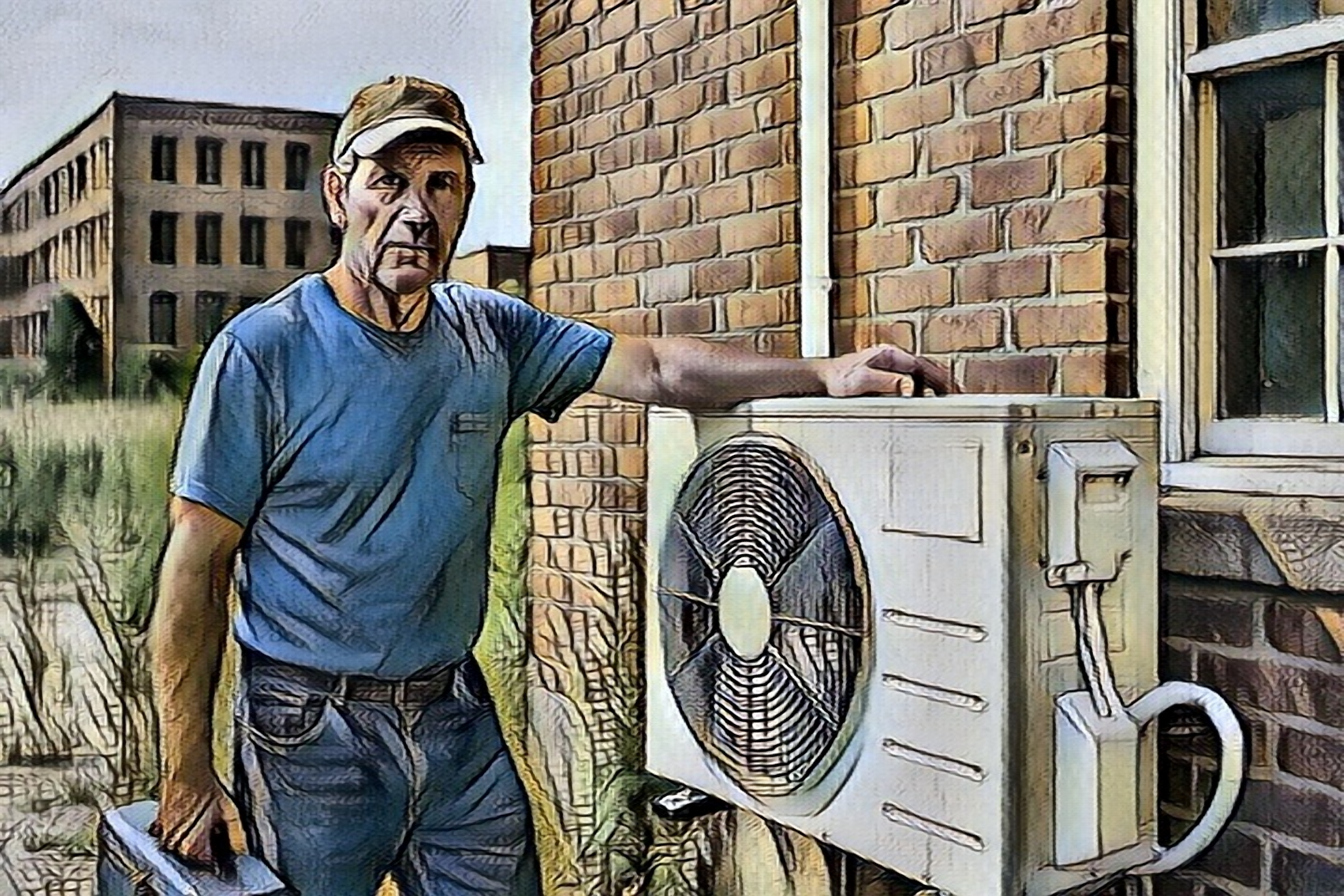
It was 93 degrees in Lewiston the day Ray Arsenault realized the mill job was never coming back. The building was still there—hollowed out, windows bricked, weeds through the loading dock—but the work had long since moved overseas.
“They found someone who’d do it cheaper,” he said, shaking his head at the empty lot like it owed him an explanation.
Now he’s wiring heat pumps. Six days a week. Doesn’t miss the dust, but he still hears the creak in his shoulder when he lifts the compressor coils. A faded lunch pail rides shotgun, same one his father carried into the paper mill in Jay. Different era, same calloused hands.
“I don’t need a miracle,” Ray told me. “I just want a paycheck that don’t punish me for staying put.”
He’s not alone. From Presque Isle to Sanford, the same quiet question keeps surfacing in food banks, town halls, waiting rooms:
Why does doing things right feel like a punishment?
The answer isn’t a slogan. It’s starting to take shape—slowly—in town garages, co-op basements, adult-ed classrooms. In the corners where climate goals and economic survival meet, without fanfare or filter.