The Environmental Protections Trump Broke—and the Path Back
The first thing you notice in the NOAA building isn’t the screens. It’s the quiet.
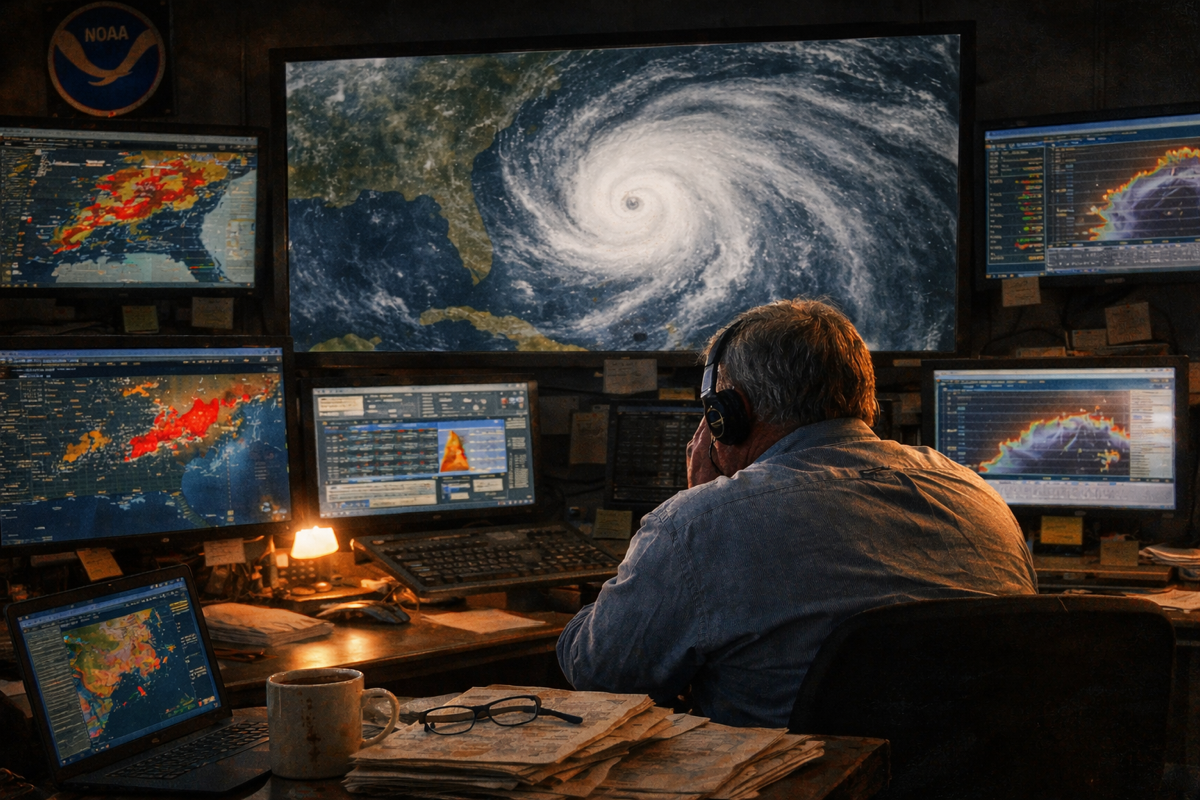
The air smells faintly of ozone and burnt coffee, the residue of electronics that never sleep and mugs that once did. On a winter morning in 2025, a bank of monitors loops satellite imagery of a North Atlantic storm that should have had more eyes on it. The data is there. The people aren’t. A senior forecaster, consulting now after an early retirement he didn’t plan on taking, runs a hand across an empty desk. “We’d catch this faster with a full team,” he says. Not angry. Just precise. “Now we catch it when it’s already moving.”¹
Outside, the storm keeps doing what storms do.
This is what environmental policy looks like after it has been weakened by subtraction. Not a single dramatic repeal. Not a villain speech or a ceremonial signing table. It’s absence. It’s the hum of servers without enough humans to argue with them. It’s the quiet degradation of the systems that once turned measurements into warnings, warnings into preparation, and preparation into lives not lost.
By the time the Trump administration declared 2025 the “greatest day of deregulation” at the Environmental Protection Agency, the damage was already underway. Thirty-one actions rolled out at once, pitched as liberation from red tape.² Inside the agency, it felt less like reform than amputation. Inspectors retired. Enforcement attorneys transferred. Monitoring programs were paused “for review” and never fully returned. Regional offices that once conducted thousands of inspections annually saw activity drop sharply within a year.³