When legacy becomes construction–and destruction
The model is already turning when someone asks the question that makes the room go quiet.
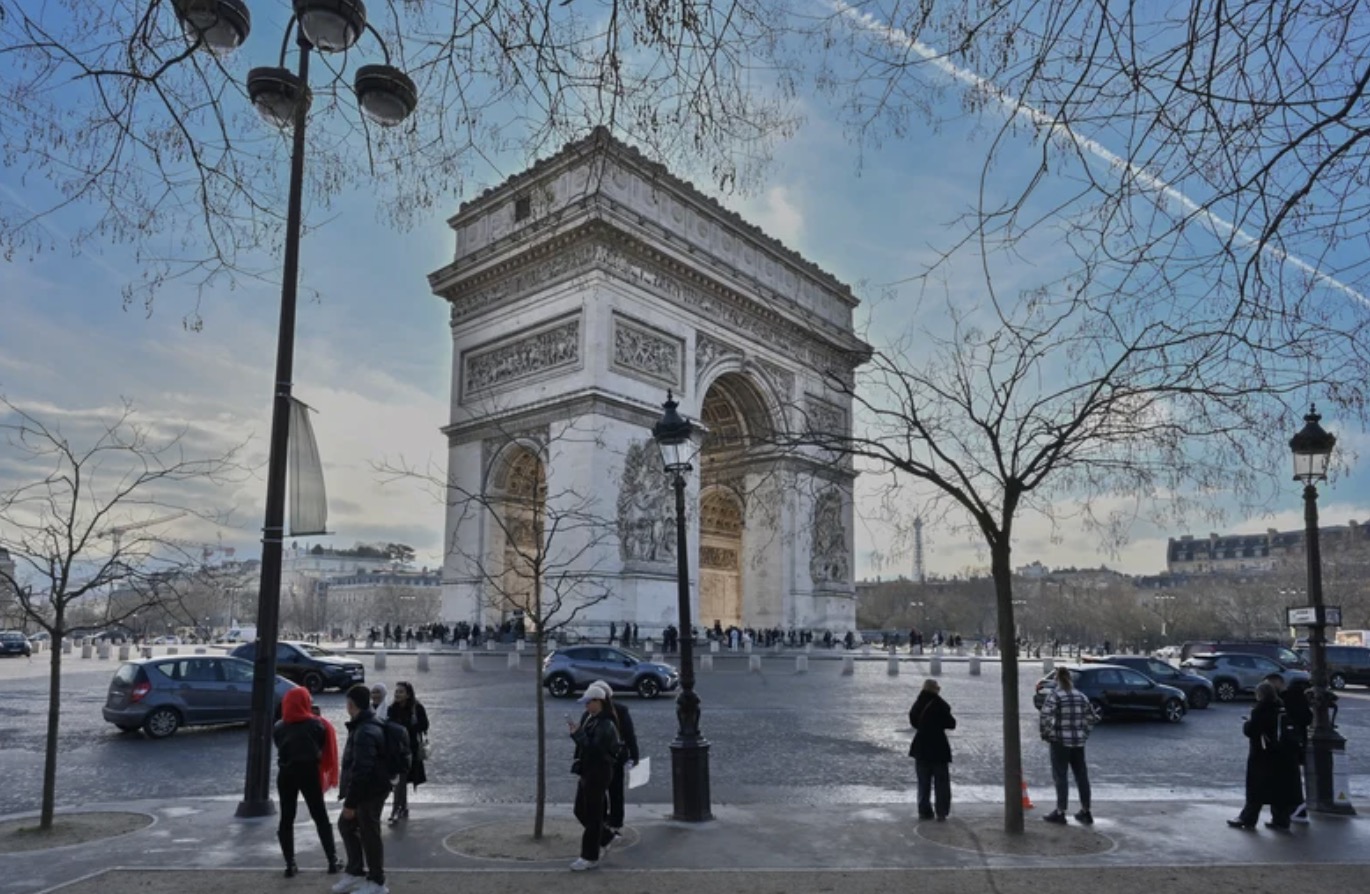
Under exhibition lighting, pale stone ribs rise from a velvet-covered table, forming a proposed 250-foot ceremonial arch for the National Mall — part of planning tied to the nation’s 250th anniversary. Donors lean closer. A historian lowers his pen. The motor hums softly beneath the display.
“Who’s this intended to honor?”
Donald Trump doesn’t hesitate.
“Me.”¹
The arch keeps rotating.
The answer lands with a familiarity that has followed Trump for decades. He has repeatedly tried to attach his name — and sometimes his image — to structures meant to outlast him. During his presidency, aides confirmed that Trump raised the possibility of adding his face to Mount Rushmore. The suggestion prompted enough internal discussion that White House staff requested background materials on how the monument had been carved and whether expansion was technically possible.²
He has floated similar ideas about attaching his name to major public infrastructure, including Pennsylvania Station in New York and Washington Dulles International Airport — places Americans pass through not ceremonially, but automatically, as part of daily movement.³ ⁴