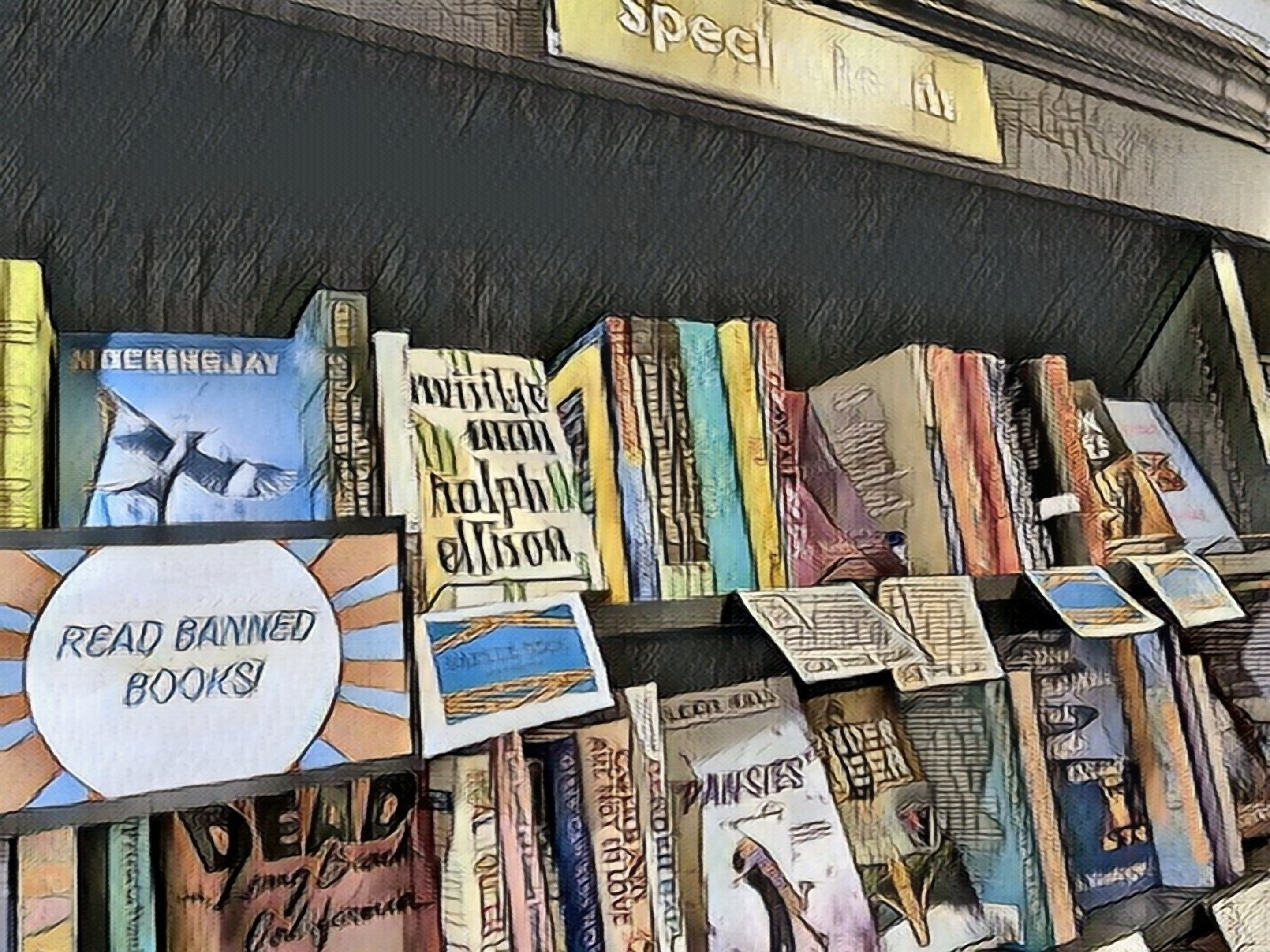
How America is narrowing what you can read, watch, and teach.
By the time they pulled the Bible, the law had already done its job.
It happened quietly—in a Texas school district in late 2024. A new law aimed at “sexually explicit” content didn’t say much. But it didn’t have to. A parent flagged the Bible, and out it went. No protest. No headlines. Just compliance.
The books were back within a week—after backlash and pressure and a hasty clarification from the law’s sponsors. But the moment was telling. A rule meant to “protect children” had removed the foundational text of American Christianity, and no one was sure if it was an accident… or a test.
Across the country, a quiet but coordinated wave of censorship is reshaping public speech. School libraries are being emptied. University courses are under review. Art shows vanish before opening. Social platforms go dark and come back—depending on the mood in Washington.
And the nation’s most powerful political figure is once again threatening to silence the press.
“This is the beginning of a full-scale assault on the American free press.” —Suzanne Nossel, PEN America
On Truth Social, Trump wrote that he would direct the FCC “to review and revoke the licenses of networks that deliberately spread fake news.” It’s a familiar threat. But the context has changed. The country is already primed for suppression. And this time, it doesn’t take a dramatic crackdown to work.
Censorship in 2025 doesn’t look like a purge. It looks like paperwork.
This is what censorship looks like now: not bonfires or banned lists, but a patchwork of vague laws, funding threats, and institutional fear.