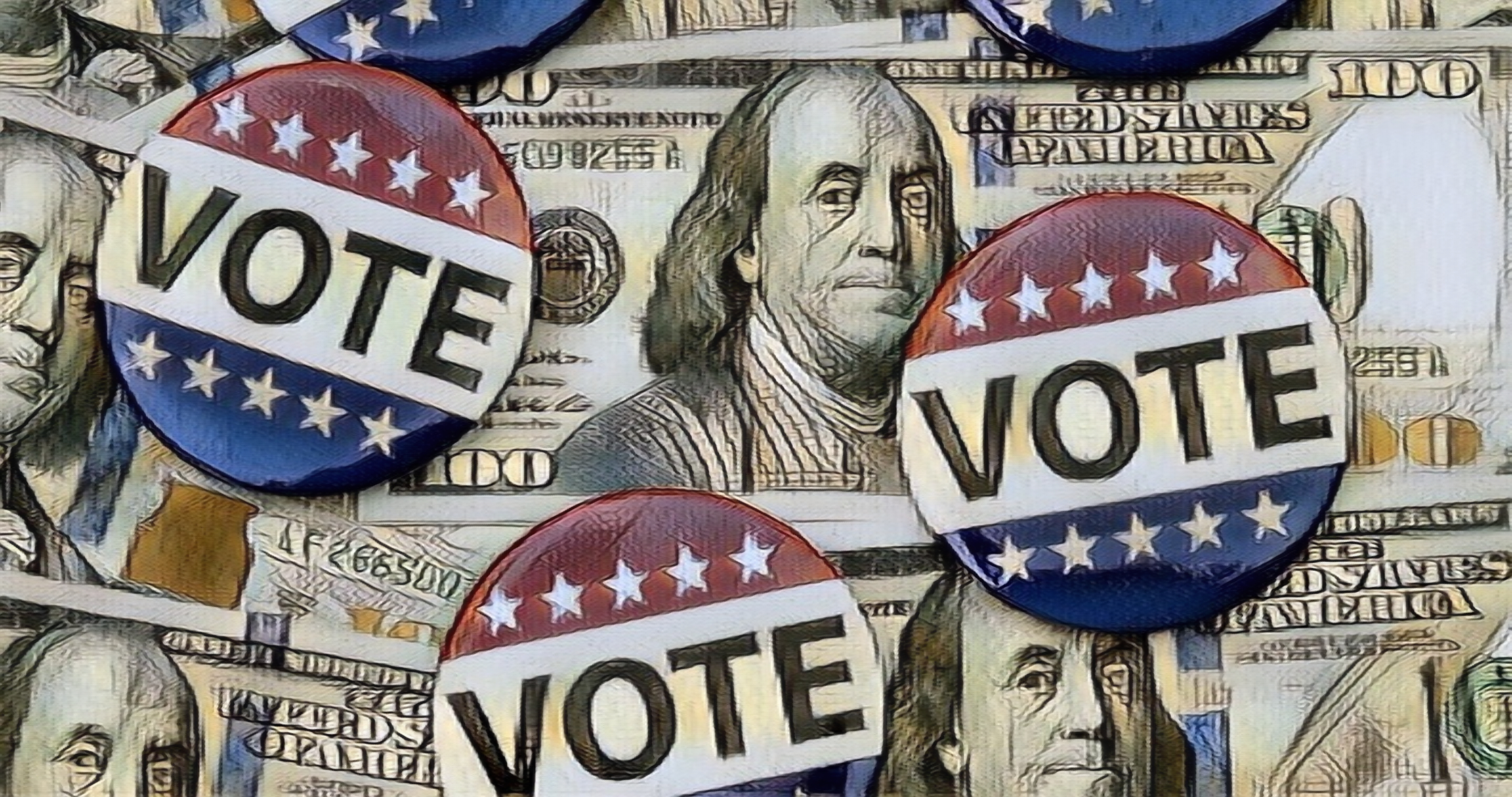
In the fading twilight of a chilly North Carolina evening, a local election in Sylva was decided by the flip of a coin—a symbol of a democracy increasingly at the mercy of outside money. For Luther Jones, a lifelong resident and candidate for county commission, that coin toss wasn’t the real blow. His campaign, fueled by grassroots passion, had been relentlessly shadowed by glossy flyers and high-budget ads that bore little resemblance to the community’s own voice. “He wants to keep outside money out of local politics, but it may be too late for that,” a local paper lamented, encapsulating the bitter reality that has come to define small-town governance.
This incident in Sylva is just one chapter in a broader story: local elections, once battlegrounds for community ideas, are now arenas where deep-pocketed interests wage covert wars. Since landmark rulings opened the floodgates for unlimited independent spending, wealthy donors and national PACs have redefined the rules of local contests. What were once modest campaigns run by volunteers now face the sophisticated, relentless barrage of well-funded messaging designed to shape local outcomes from afar.
In Coralville, Iowa, a modest mayoral race transformed into a proxy war when Americans for Prosperity, linked to the Koch network, launched an all-out blitz. Mailers, television ads, and door-to-door canvassing painted local fiscal policies as dire threats to economic freedom. “We fight local issue battles because they result in good policy outcomes, generally promoting economic freedom via less taxes, less government spending,” declared Tim Phillips, AFP’s national president, leaving no doubt that the aim was to impose a national economic doctrine on a small town. In Coralville, voters were forced to confront a struggle where the real stakes were not just about city governance but about an ideological battle fought by distant, well-funded strategists.