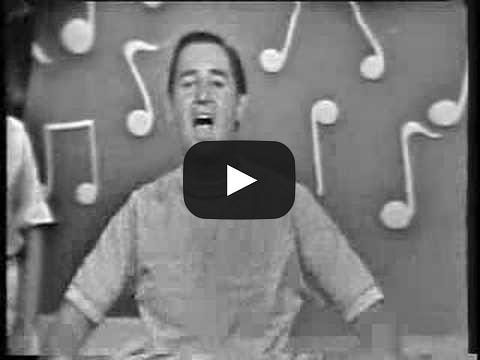
The song was built to make you move.
Bright piano. Snapping rhythm. Neil Sedaka leaning into a studio microphone in 1962, singing, “Breaking up is hard to do.” It was teenage heartbreak wrapped in bubblegum pop. Harmless. Catchy.
And yet it may be one of the most durable political lines of the last century.
Sedaka died this week at 86¹, and the clip is circulating again — that confident smile, that tempo you can clap to. America in 1962 was not naïve; the Cuban Missile Crisis was months away. But there was still a prevailing belief in control — that crises, once confronted decisively, could be contained.
History has been less cooperative.
Starting a war is an act of will. Ending one is an act of concession.
Vietnam began as a limited commitment — advisers, containment, credibility. By 1967, officials were still promising “light at the end of the tunnel,” language preserved in State Department archives². Then came Tet. Street fighting in Saigon. The embassy compound breached. The distance between official optimism and battlefield reality collapsed.
In an oral history archived at Dartmouth, veteran Denis O’Neill recalled hearing Walter Cronkite and realizing the war was a “quagmire and couldn’t get out.”³ That phrase — couldn’t get out — is the anatomy of modern war.
The Paris Peace Accords were signed in January 1973⁴. American troops withdrew. The fighting did not. Two years later, helicopters lifted from the roof of the U.S. embassy in Saigon⁵. The war ended not with resolution, but with extraction.