What a falling dollar feels like before it becomes a crisis
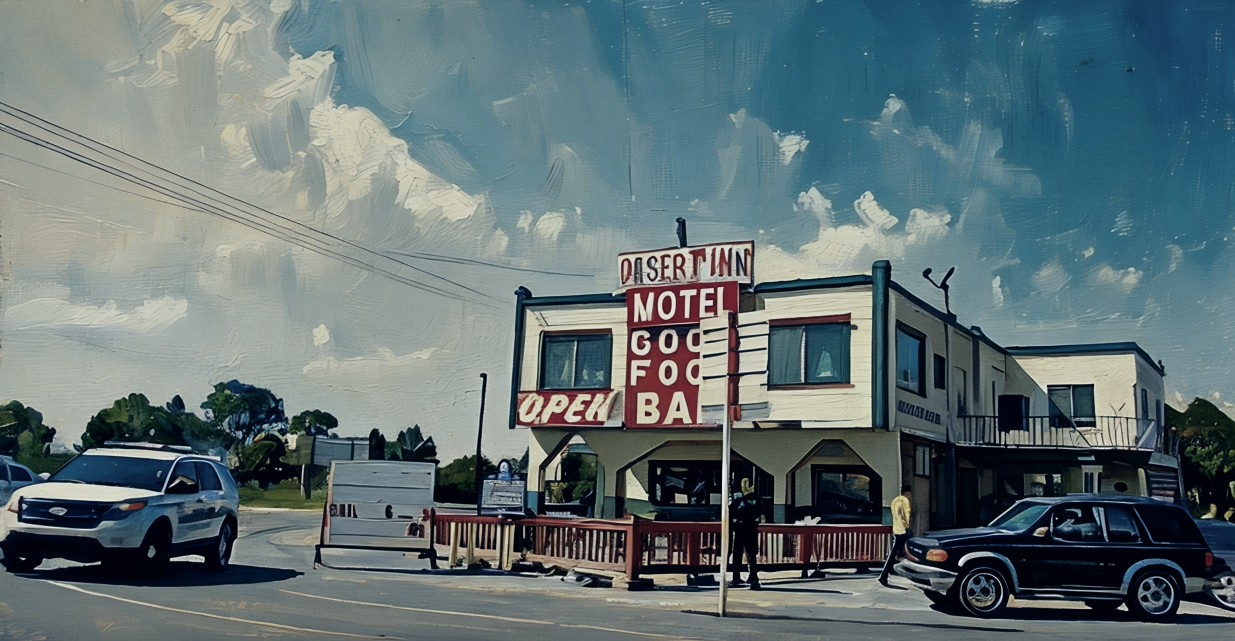
The smell comes first — stale beer edged with lemon cleaner and winter air slipping through the door. Tim Krug wipes the bar at his tavern in Calais, Maine, polishing a surface that doesn’t need it. Outside, the bridge to Canada is visible through the window. On most afternoons now, it’s empty.
That emptiness didn’t happen by accident.
“You could tell the day of the week by the license plates,” Krug says, nodding toward the street. Canadian customers once filled the stools. They stopped crossing after tariffs rose and talk from Washington — even about annexation — changed the feel of the place. Gas stations went quiet. Restaurants emptied.¹ It wasn’t just about the cost. People stopped coming because they no longer felt welcome.
What followed went beyond the border.
Over the past year, the dollar has quietly lost about ten to twelve percent of its value against other major currencies, falling to levels not seen in years.² ³ It’s not a 1970s-style collapse, but it’s a sharper drop than Americans have grown used to in normal times. Investors are now preparing for more, responding to the same forces that emptied the bridge: tariff fights, pressure on the Federal Reserve, shutdown threats, and talk of reshaping U.S. debt.² ³ ⁹
This isn’t inflation by accident. It’s what happens when nobody is really minding the store.
When governments treat currency as a political tool rather than a public trust, prices rise long before officials admit anything is wrong. The signals come first — hostile trade policy, institutional pressure, casual threats — and markets respond quietly. By the time the consequences are visible at street level, the adjustment is already underway, and it’s hard to reverse.
Some of what’s happening is just markets doing what they usually do —