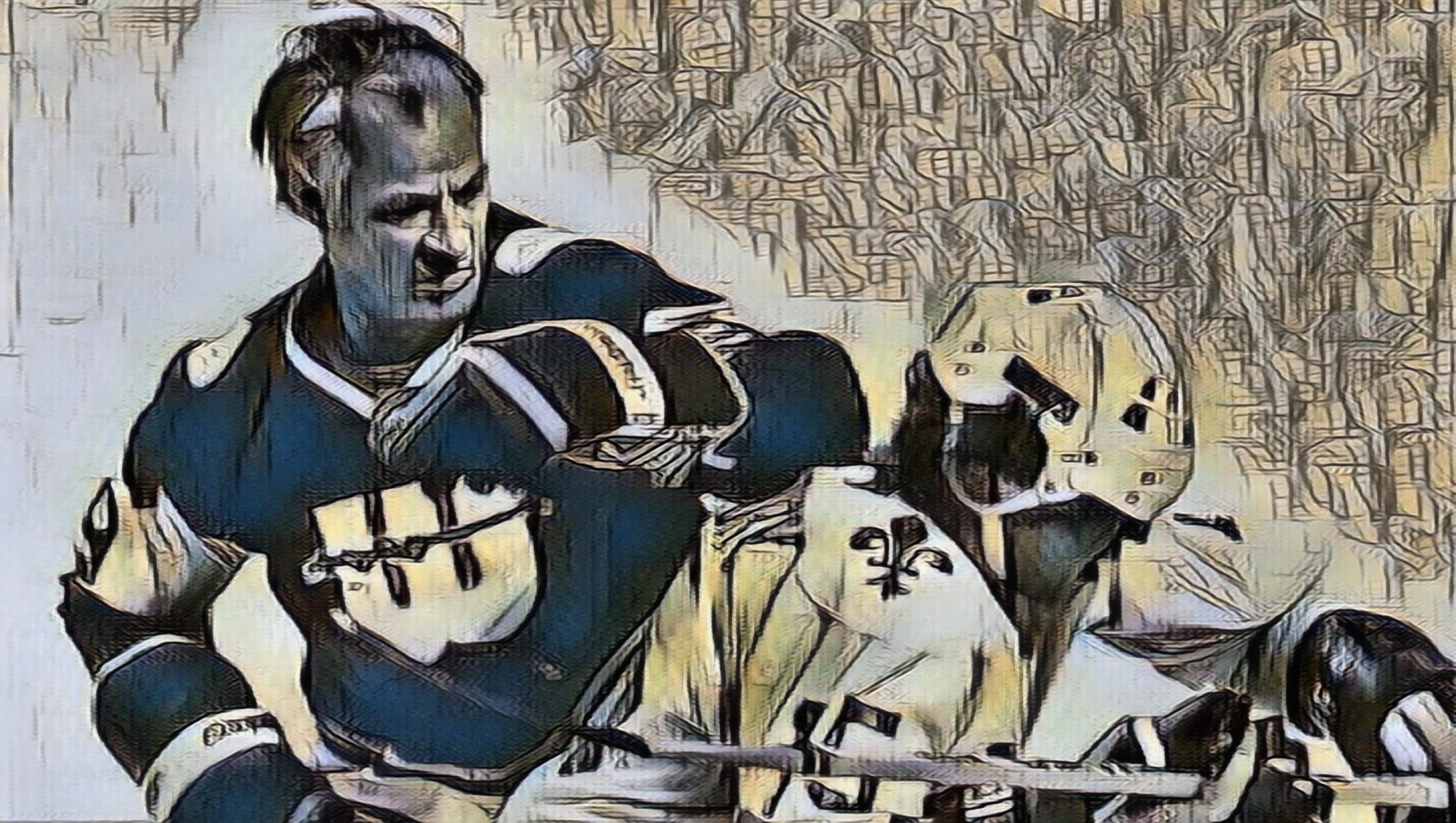
“Canada is not for sale.” The words were silent, mouthed rather than spoken, but they thundered across North America. It was March 2025, and Mike Myers was standing on the Saturday Night Live stage in a T-shirt emblazoned with the same message, tapping his elbow twice during the closing credits. In the face of mounting pressure from Washington—tariffs, trade threats, and even a half-serious annexation jab from Donald Trump—Myers’ gesture wasn’t just a nod to Gordie Howe. It was a warning shot. And it struck a nerve.
What began as a gritty move on the ice—a sharp, upward elbow to ward off cheap shots—has become a national metaphor. “Elbows Up” is now more than a hockey expression. It’s a political stance, a cultural movement, and a rallying cry for a country that, for once, isn’t politely backing down.
Gordie Howe earned the nickname “Mr. Hockey,” but before that, he was “Mr. Elbows.” Born in the prairie town of Floral, Saskatchewan, Howe embodied a kind of cold, calculated Canadian toughness. On the ice, he was feared—not for his fists, but for the scientific precision of his elbows. “If a guy slashed me,” Howe once said, “I’d grab his stick, pull him up alongside me and elbow him in the head.” It wasn’t bravado; it was protocol.
“It’s an elbow that goes from the waist and comes up. It’s pretty scientific.” —Marty Howe
Howe’s elbow became legend, a symbol of assertive defense in a game that prized speed and aggression. And if you crossed Gordie? “It was only a matter of time before he hurt you,” said goalie Curtis Joseph. Howe didn’t retaliate out of rage—he retaliated to reestablish order.
Now, Canadians are channeling that energy not on skates, but in the streets.
The pivot from hockey tactic to national resistance started in early 2025, when tensions with the U.S. escalated. Threats of punitive tariffs. Offhand comments from Trump about making Canada the “51st state.” The mood shifted. Politeness gave way to quiet fury.