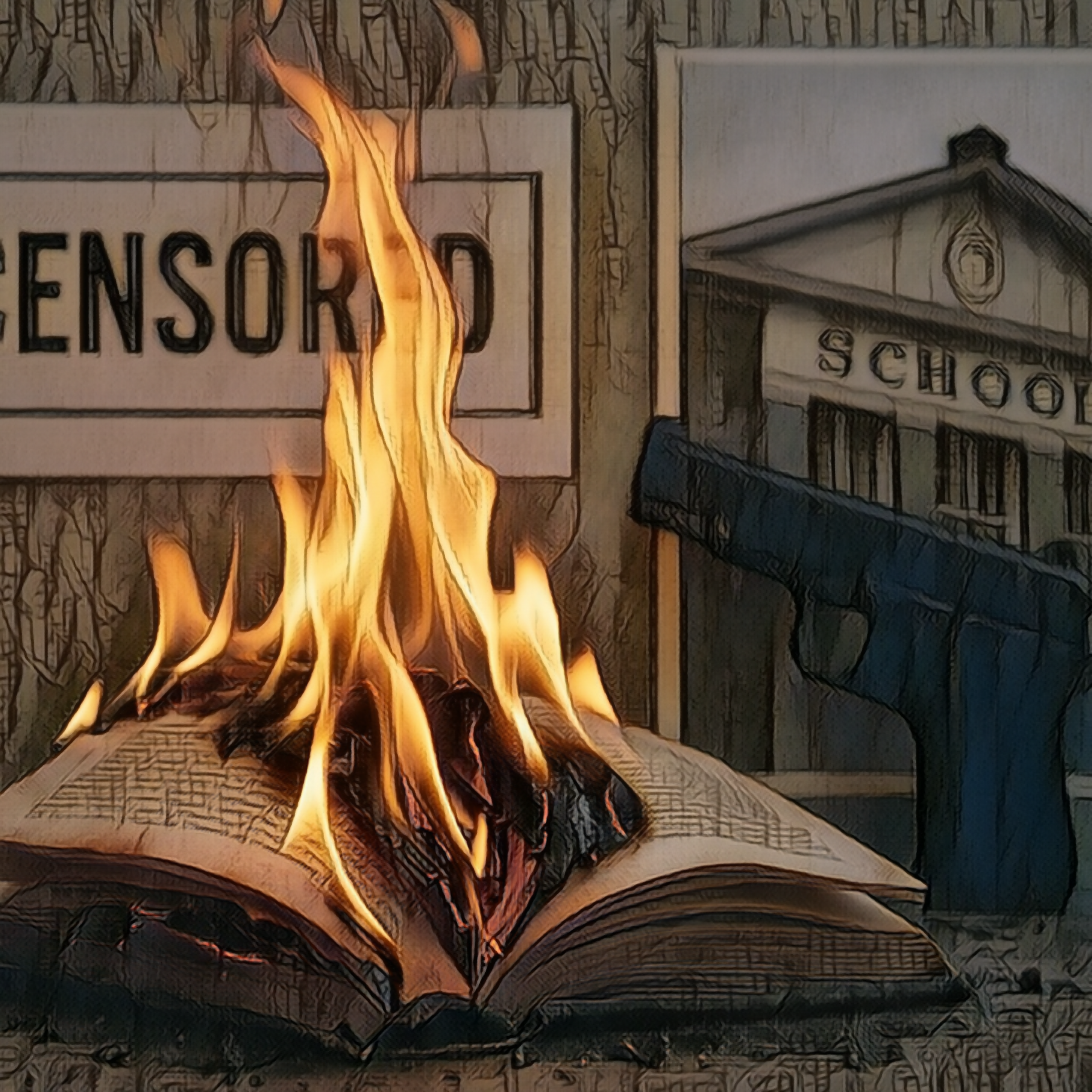
The faint hum of fluorescent lights made the library feel smaller than it was, a low electrical buzz trapped between the ceiling tiles and the spines of books. The tubes above gave off a flat, unblinking light—the kind that showed every scuff on the floor but none of the warmth of a sunny window. Monica Torres could hear the hum over the shuffle of her own shoes as she moved down the aisle, smoothing paperbacks like she was brushing wrinkles from a shirt. Her thumb paused on page 84 of The Bluest Eye, where a student had left a folded post-it: Is Pecola bad? Or just sad? She was still holding the book when her principal appeared in the doorway with a clipboard and a smile worn like a suit that didn’t quite fit—tight at the seams, forced before the blow.
By noon, every copy was gone.
She didn’t pack them in boxes. She didn’t argue. She just left the shelves open, a row of missing teeth, because the only thing worse than losing a book was making the moment a spectacle. The hum kept on, steady as before, but it felt sharper now—like the sound a wire makes when it’s pulled too tight. The light seemed harsher, too, laying bare the empty spaces on the shelf. She didn’t yet know it was part of something larger—that this was the week the President had signed an executive order framed as “ending censorship” and “restoring free speech.” She only knew that the quietest student in her class had stopped coming to school.
In Washington, cameras flashed as Donald Trump stood beneath a banner reading Truth Is No Longer Negotiable and signed Executive Order 14149. On paper, it barred the federal government from “coercing” speech. In practice, critics warned it could chill independent outlets by nudging agencies to scrutinize perceived bias. Within days, commissioners revived a long-dormant FCC proceeding involving CBS that had previously been closed.