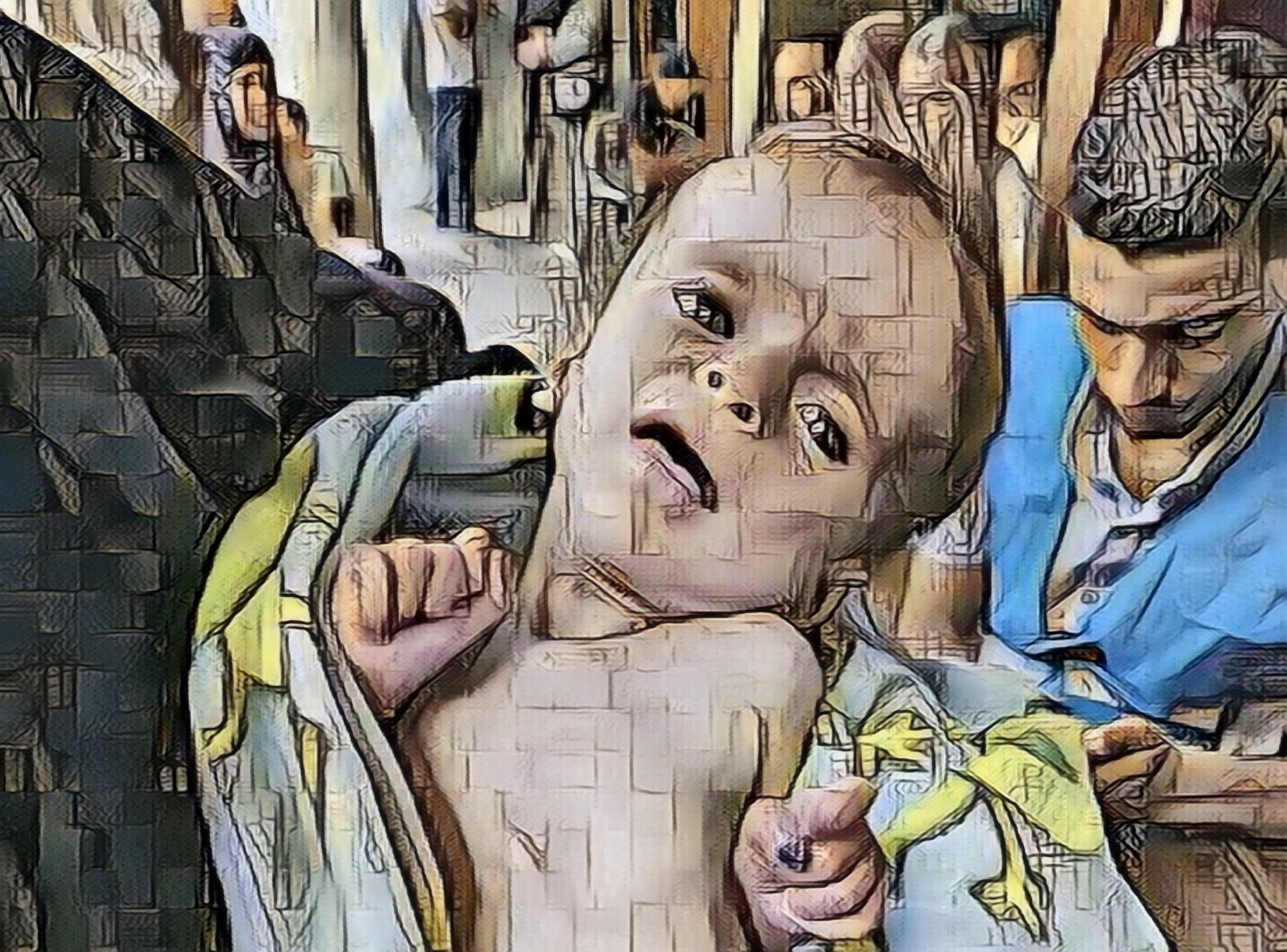
The girl on the gurney didn’t scream. She blinked—once, slow—like her body had forgotten how to ask for help. She had no shoes. Her right leg ended in gauze. Nurses said she was pulled from the rubble of a bakery near Beach Camp. The bakery had been marked “safe” the day before.
Her name was Lina.
She was seven.
She never made it past triage.
She was number 58,421—not by birth certificate, but by body count.
As of July 2025, the Palestinian death toll in Gaza has surpassed 59,000, according to figures from Gaza’s Health Ministry compiled by the UN Office for the Coordination of Humanitarian Affairs . More than 17,000 of those killed were children, according to UNICEF . Entire family lines now exist only in spreadsheets. The airstrikes hit homes, schools, mosques, convoys, hospitals. The ground offensive claimed what the air could not. Lina’s neighborhood was shelled two days after she was buried. No one could return to find the rest of her family.
By now, Gaza isn’t a battlefield. It’s a forensic site. And there’s a word hanging over it, quietly, heavily, like smoke. Not declared. Not settled. But forming.
Genocide.
The term was coined in 1944 by Raphael Lemkin, a Polish-Jewish lawyer who had fled the Nazis.