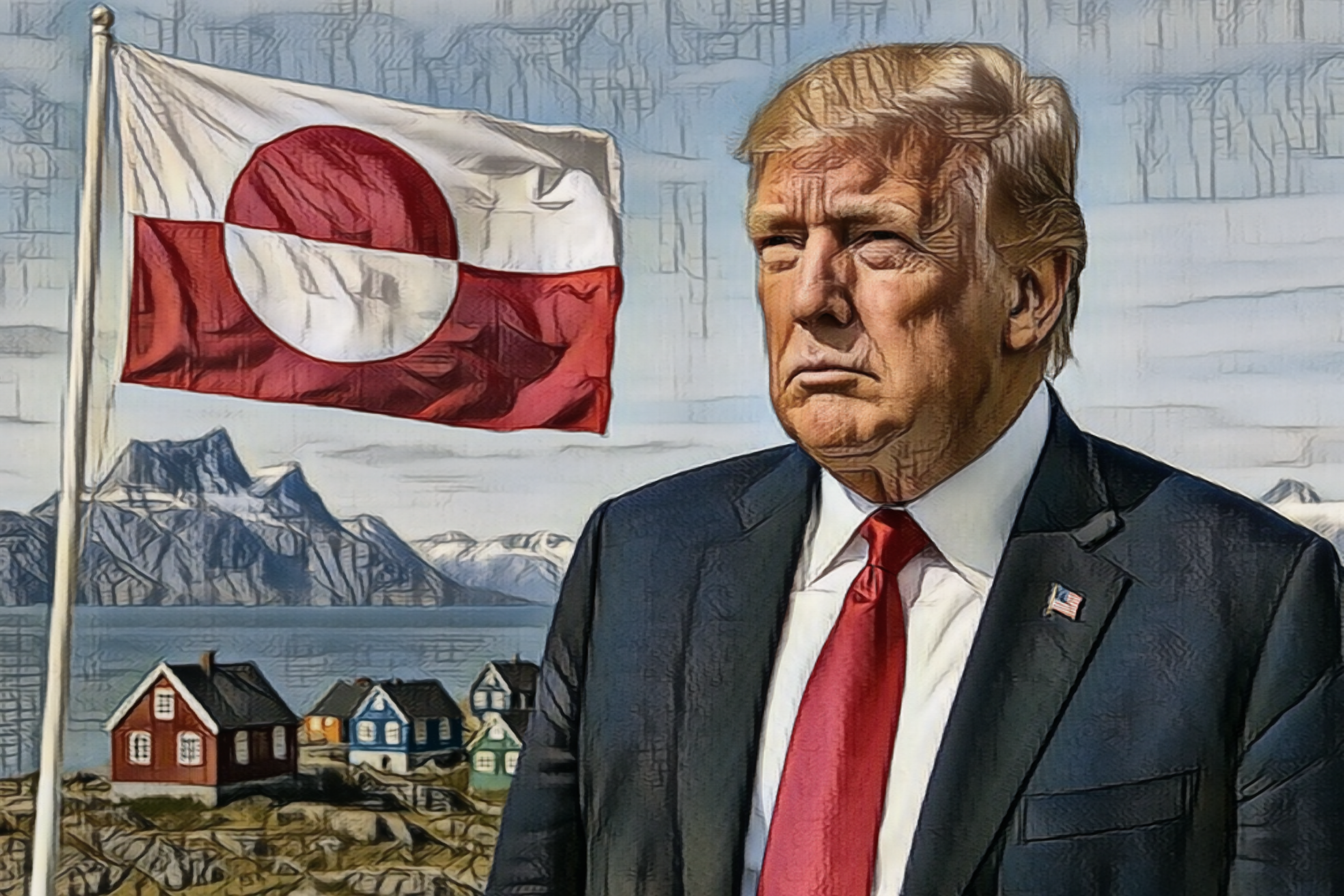
Why Trump’s Greenland Push Isn’t Just a Gimmick—But Still Won’t Fly
Donald Trump’s renewed interest in buying Greenland isn’t a joke, a distraction, or just another “Trump being Trump” moment. It’s a calculated play with real strategic logic behind it. But that doesn’t mean it’s going anywhere. Between legal obstacles, local opposition, and diplomatic fallout, this ambition runs into a wall of reality that even Trump’s bombast can’t break through.
The Strategic Case: Not Crazy
Let’s be clear. Greenland isn’t just a giant chunk of ice. It’s a cornerstone of Arctic strategy and a goldmine of potential. Militarily, it’s already home to Pituffik Space Base (formerly Thule), which plays a critical role in U.S. missile defense and satellite tracking. The island anchors the Greenland-Iceland-UK gap, a key chokepoint for monitoring Russian submarine movements.
Climate change is also turning the Arctic into a new front in the great power game. Melting ice means new shipping routes like the Northwest Passage and the Transpolar Sea Route could open up by 2035. That changes global logistics—and power dynamics. Add to that the competition for rare earth minerals (Greenland has a lot; China controls most of the global market), and the island starts looking less like a frosty outpost and more like a geopolitical prize.
From Trump’s perspective, all this adds up to a simple pitch: Buy it now, secure America’s Arctic dominance, and cut out China and Russia before they get more entrenched. His administration has even floated the idea that the purchase would pay for itself through mining royalties and new taxes.