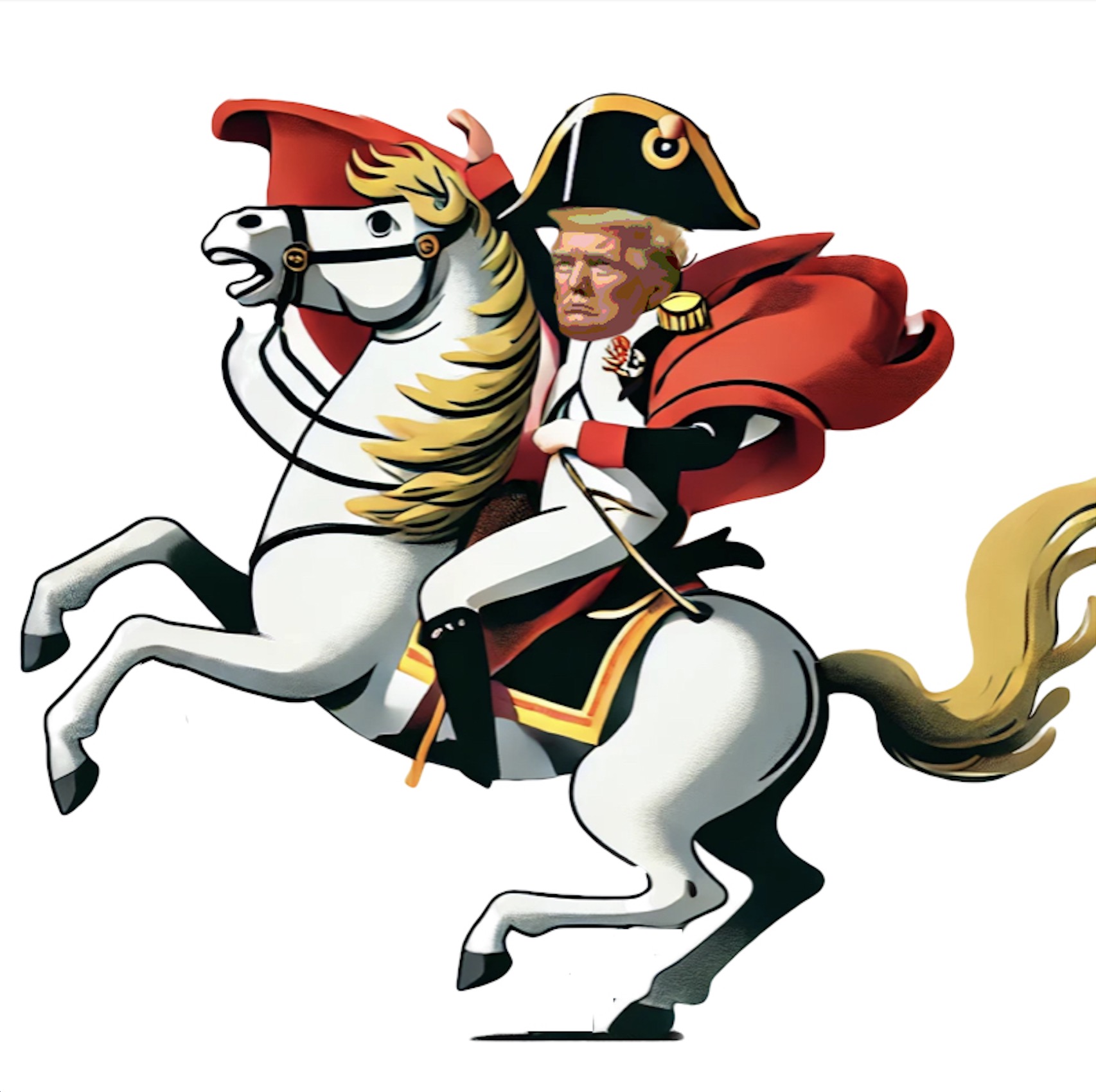
The streets of Paris buzzed with tension on a chilly November morning in 1799. Rumors of an impending coup swirled through the crowds as a name echoed on everyone’s lips: Napoleon Bonaparte. This ambitious Corsican officer was about to seize power in a move that would reshape France and set a template for future autocrats.
Napoleon’s rise from obscurity to becoming the most powerful man in France is a tale of military genius, political cunning, and ruthless determination. It’s a story that continues to captivate us, not just for its drama but for its striking parallels to modern-day strongmen and their tactics.
Born on the island of Corsica in 1769, Napoleon Bonaparte came from a minor noble family. A fierce Corsican nationalism marked his early years, but as he rose through the ranks of the French military, his allegiance shifted. Napoleon’s ambition knew no bounds, and he saw in revolutionary France an opportunity to make his mark on history.
Let’s rewind to 1793. A young Napoleon, just 24 years old, stands before the walls of Toulon. The city has fallen to royalist rebels, and the future of the revolution hangs in the balance. While his superiors hesitate, Napoleon steps forward with a daring plan. “Give me the command,” he declares, eyes blazing with confidence, “and I’ll take that city.”
Take it he does. In a brilliant display of tactical genius, Napoleon outmaneuvers the enemy and forces the British fleet to withdraw. As dawn breaks over the recaptured city, a legend is born. But this is just the opening act in Napoleon’s rise to power.
The victory at Toulon catapulted Napoleon into the spotlight. He was promoted to brigadier general and given command of the artillery in the Army of Italy. It was here that Napoleon’s true talents as a military commander began to shine.