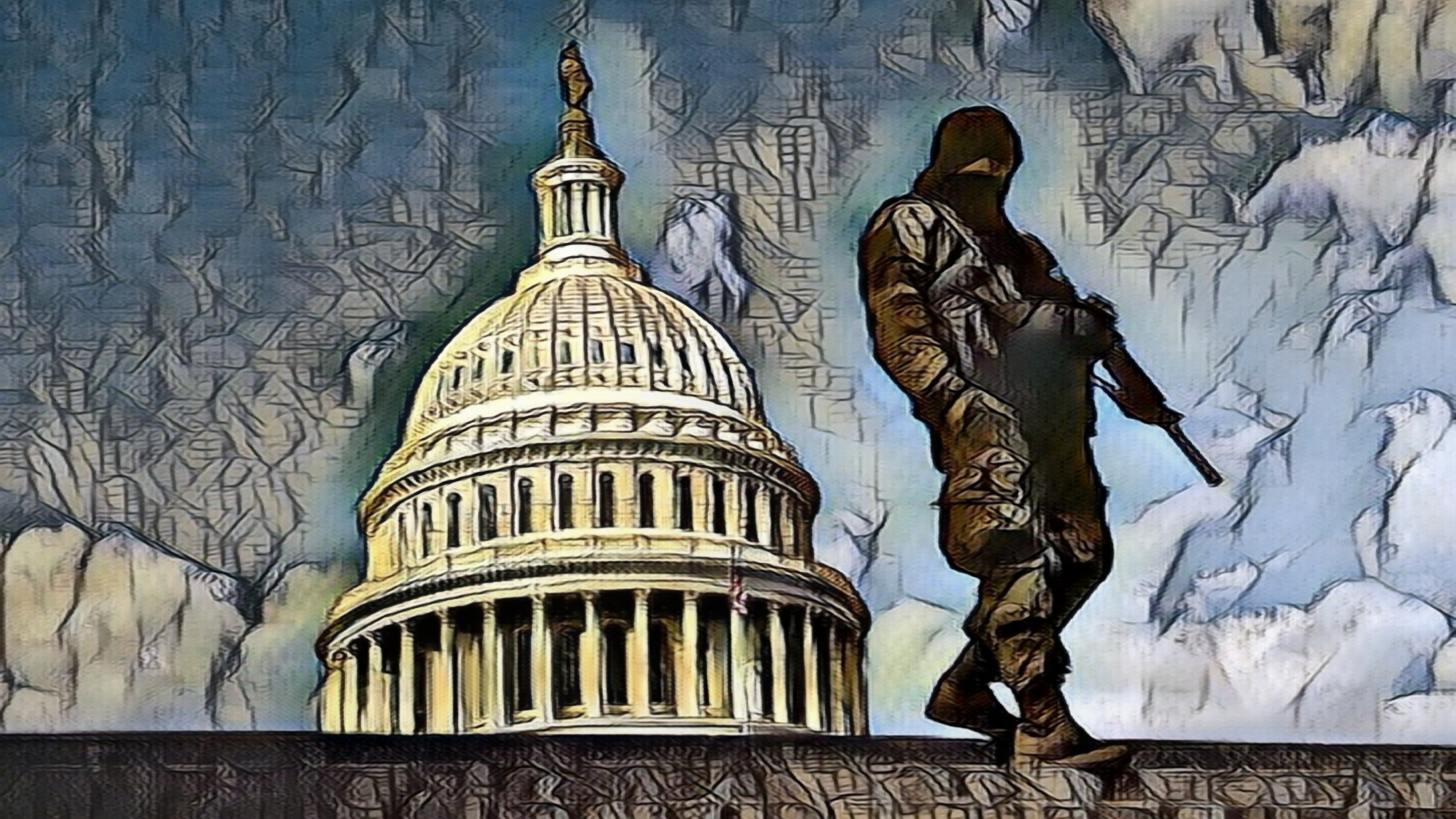
By the time a strongman reaches the final stage of consolidating power, the dream is nearly complete. The opposition is weakened, the judiciary is compromised, the press is either neutered or parroting state propaganda, and elections are little more than costly stage plays. But power is fragile. It requires constant maintenance. Even the most secure autocrats eventually face the unruly beast of public dissent—whether it’s students in the streets, labor strikes, independent journalists, or rival politicians still foolish enough to believe they have rights. The solution is as old as tyranny itself: silence them. Through intimidation, legal maneuvers, or outright violence, this final step is the glue that holds the dictatorship together. Ignore this at your peril—history is littered with rulers who lost their grip because they miscalculated just how far they needed to go.
Donald Trump has always fantasized about the raw exercise of power. He enjoys the spectacle of force, the uniformed loyalty of police and military, the sirens and barricades, the imagery of dominance. During the Black Lives Matter protests of 2020, he fumed as demonstrators filled the streets. Rather than acknowledge the underlying racial grievances, Trump saw only a challenge to his authority. His response was blunt: “When the looting starts, the shooting starts.” His instinct was never to address the demands for justice but to crush the disruption, to restore order through brute force. When Washington, D.C., protesters gathered near the White House in June 2020, he ordered federal law enforcement to clear the area with batons, tear gas, and flashbangs, forcing back peaceful demonstrators so he could march triumphantly across Lafayette Square, Bible in hand. It was meant to be an image of strength, a dictator’s dream photo-op.
The Trump of 2025 is even more emboldened, more vengeful, more determined to rid the country of his critics.