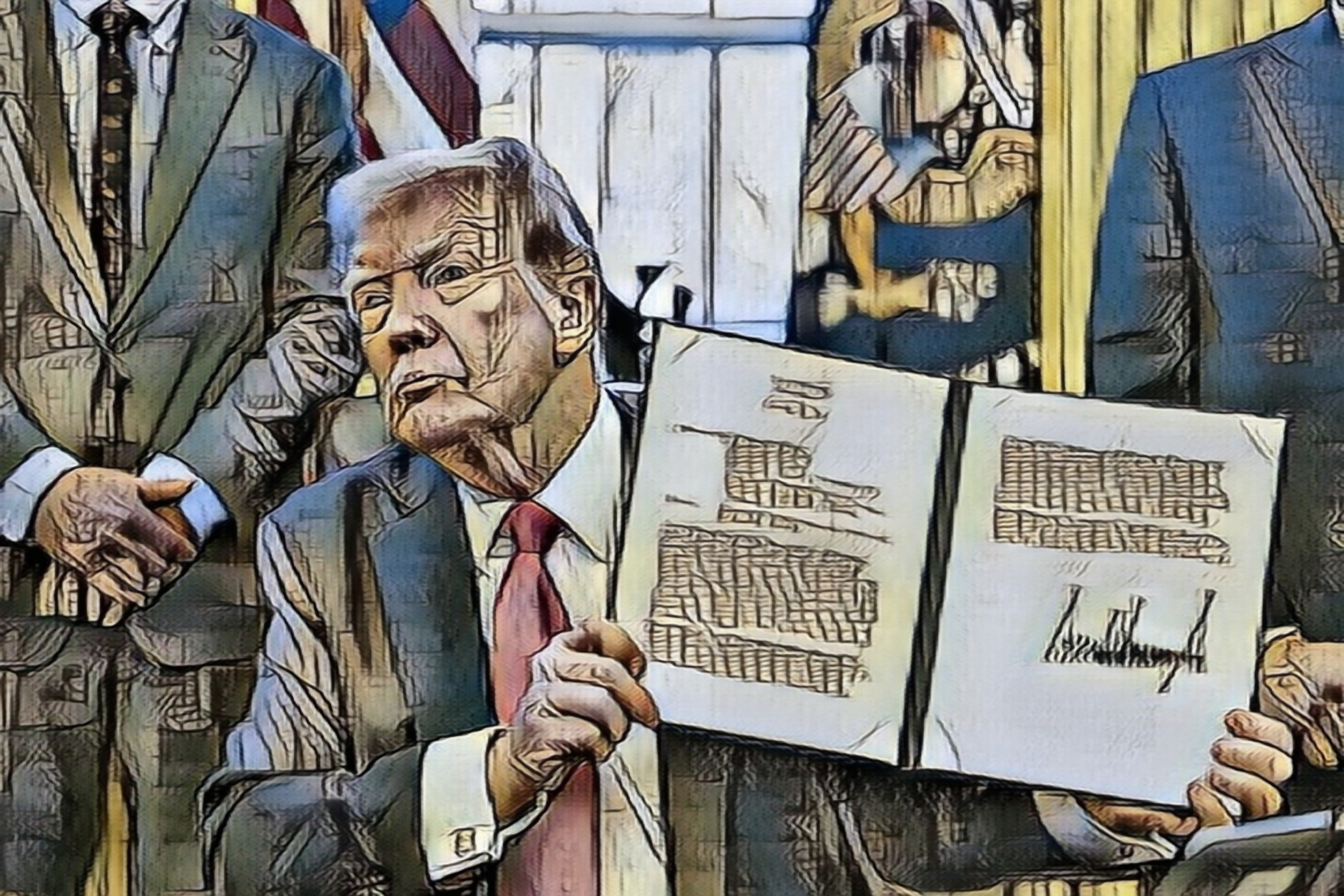
The phone buzzed on a chilly morning in January 2025. Journalists, lawmakers, and policy analysts around the nation woke to a raft of White House announcements that, at first glance, resembled just another cycle of executive orders. But as the day wore on, it became clear this was more than routine presidential business. Returning to the Oval Office after four turbulent years out of power, Donald Trump was wasting no time. Leveraging a blueprint of Project 2025, he was reshaping federal regulations and staffing with surgical precision.
“The old guard has failed,” he declared in a primetime address from the White House, his voice booming across every major news channel. “We are rewriting the rulebook to build a government that works for the people, not the entrenched elites. Project2025 represents the future of American governance.”
The first jolt came on Inauguration Day—January 20, 2025—when President Trump signed an executive order reinstating Schedule F, a job classification that effectively strips certain federal employees of traditional civil-service protections. Overnight, career experts in policy-oriented roles found themselves vulnerable to replacement. Those who had once felt secure by virtue of merit-based hiring now faced uncertain futures.
This bold move was no surprise to analysts who had monitored the Heritage Foundation’s involvement in Project 2025. Conservative groups had spent months compiling a database of potential loyalists to fill up to 20,000 positions across various agencies. One internal memo boasted that “we’re not just adjusting processes—we’re revolutionizing the way government works by eliminating outdated bureaucratic obstacles.” Skeptics feared it was a polished way of saying only Trump’s allies would remain in key policy roles.
Just days later, word leaked that newly formed teams at the Department of Government Efficiency