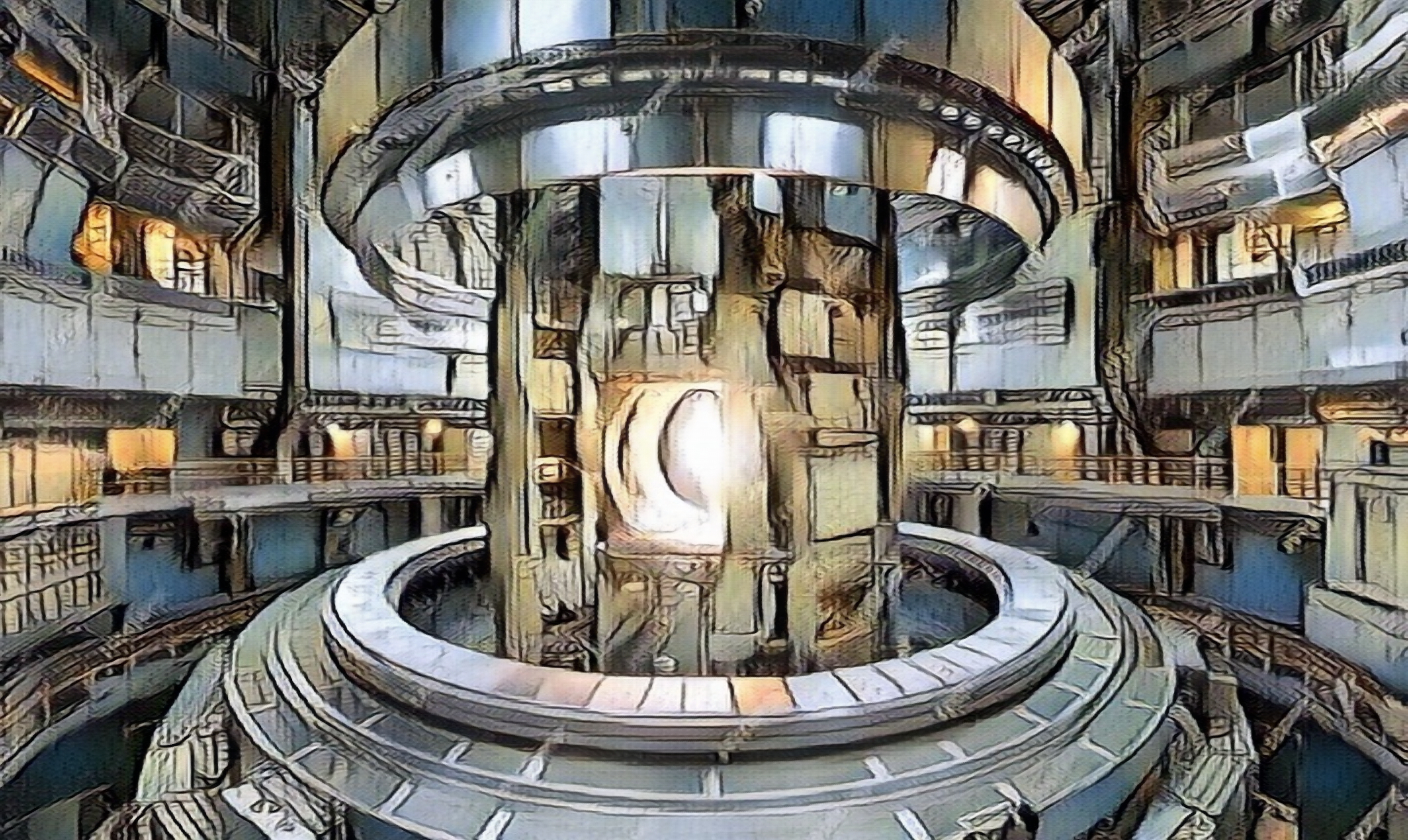
The sky was clear that winter morning in Livermore, California—December 5, 2022.
The first two tries that day fizzled. Nothing happened. The chamber stayed cold.
No one panicked. No one even blinked. They’d been here before—hundreds of times before. They knew the odds. They ran the numbers. But they also knew what it would mean if the numbers finally changed.
Because this wasn’t just another physics test. It was a shot at something humanity has chased for almost a century: unlimited energy—without smoke, flame, or poison. Energy that doesn’t choke cities or warm oceans. Power that could light the future without burning the past.
Then came the third shot.
The lasers fired.
At first—nothing. Just the low hum of the chamber and the quiet ticking of data.
Then a flicker. A flash. No explosion. No roar. Just light—sharp and sudden—blooming inside the reactor like a match struck in a vacuum.
The numbers on the screen jumped. Then climbed. Higher. Faster. Past every benchmark, every limit they’d failed to cross before. For a second, no one said a word. But every face turned to the monitor.
They got back more than four times the energy they put in—like lighting four homes with the power it took to light one.
The room went still. One person exhaled. Another stared at the display, unmoving.