In the early 2000s, I walked into a video-rental store in Rockland, Maine, and asked whether they had DVDs.
They did not.
More strikingly, they said they had no plans to get them.
It was not a stupid answer at the time. The shelves were full of VHS tapes. Customers still had VCRs. DVDs required new inventory, new assumptions, and the belief that nothing would change for a long time.
I think about that store whenever I remember Tower Records, Blockbuster, Audio Lab, Tech HiFi. These were not foolish businesses run by fools. They had customers, expertise, loyalty, and a clear sense of what they sold. They just forgot that they were selling containers while their customers were buying content.
The printing press did not replace the human urge to tell stories. It changed who could copy, distribute, and argue over them. Recorded music did not end songs. Radio did not end music. Television did not end drama. Streaming did not end movies. Each new container damaged the businesses built around the old one, but the hunger underneath survived.
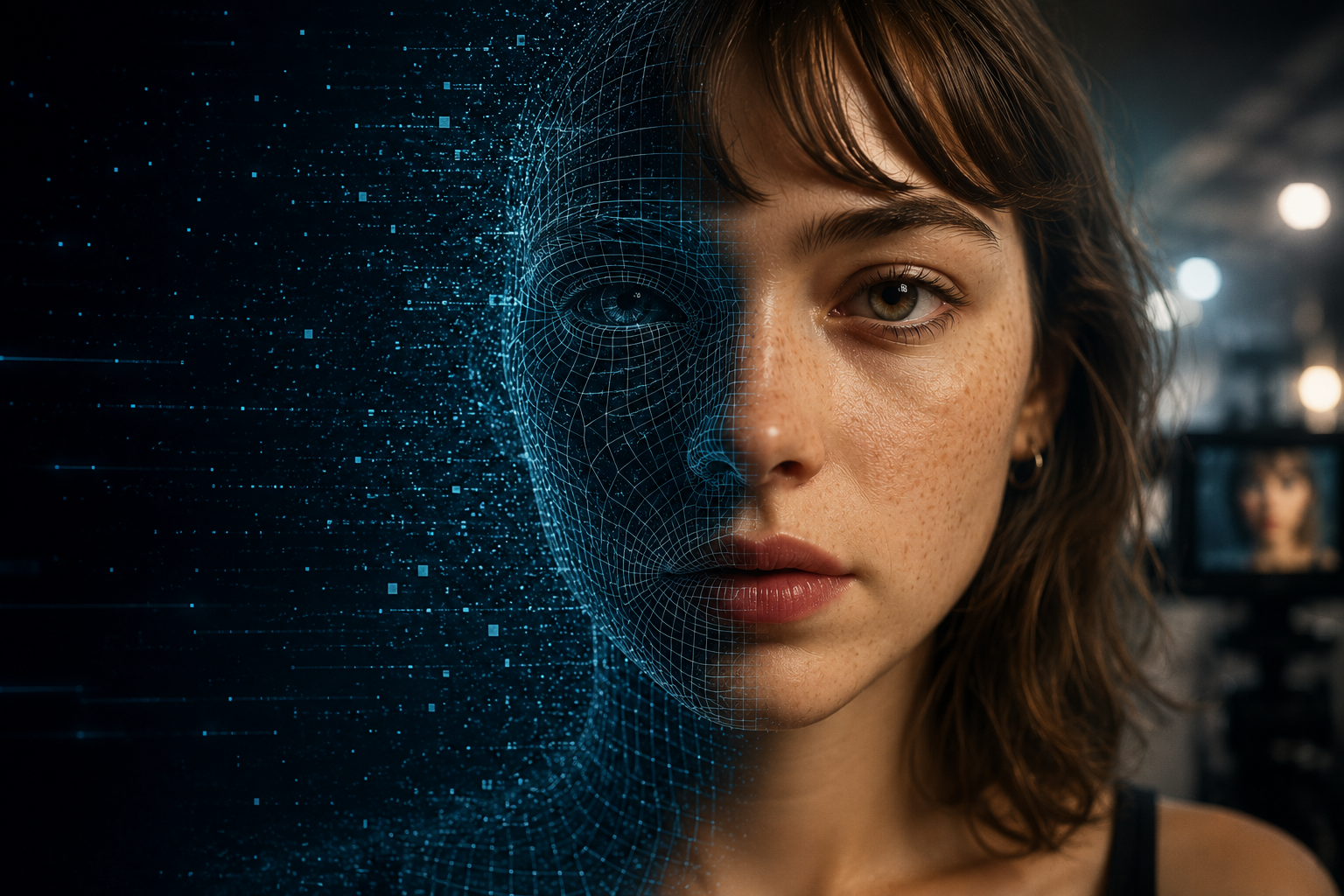
That is the frame through which I keep thinking about Tilly Norwood, the AI “actress” recently profiled in The New York Times Magazine.
The first thing to remember about Tilly is that she is not there.
There is a face on a screen, a posh British voice, a pause before answering, a little flirtation, a little insult, and the unnerving sensation that someone has noticed you. But there is no actress across the room.