This story is personal. I traveled to Iran often during the 1970s—enough to glimpse a country in tension. The Shah ruled with a heavy hand, the rich were extravagantly rich, and the poor were everywhere—the gap between them impossible to ignore. But it was also a time when the culture leaned Westward—when science thrived, and education meant something. Women led research labs. They were physicians, professors, and pioneers. And oh, that food. I miss that Iran. And I worry what might be lost forever if we help destroy the chance of its return.
This week, U.S. policymakers quietly adjusted their stance on Iran—easing sanctions on humanitarian grounds, even as tensions with Tehran’s leadership remain high. But while diplomats traded statements, a teenage girl in Tabriz was arrested for drawing a butterfly without a hijab. In the detention center, she whispered something to her mother before being taken away: “Tell them why.”
Here’s my story.
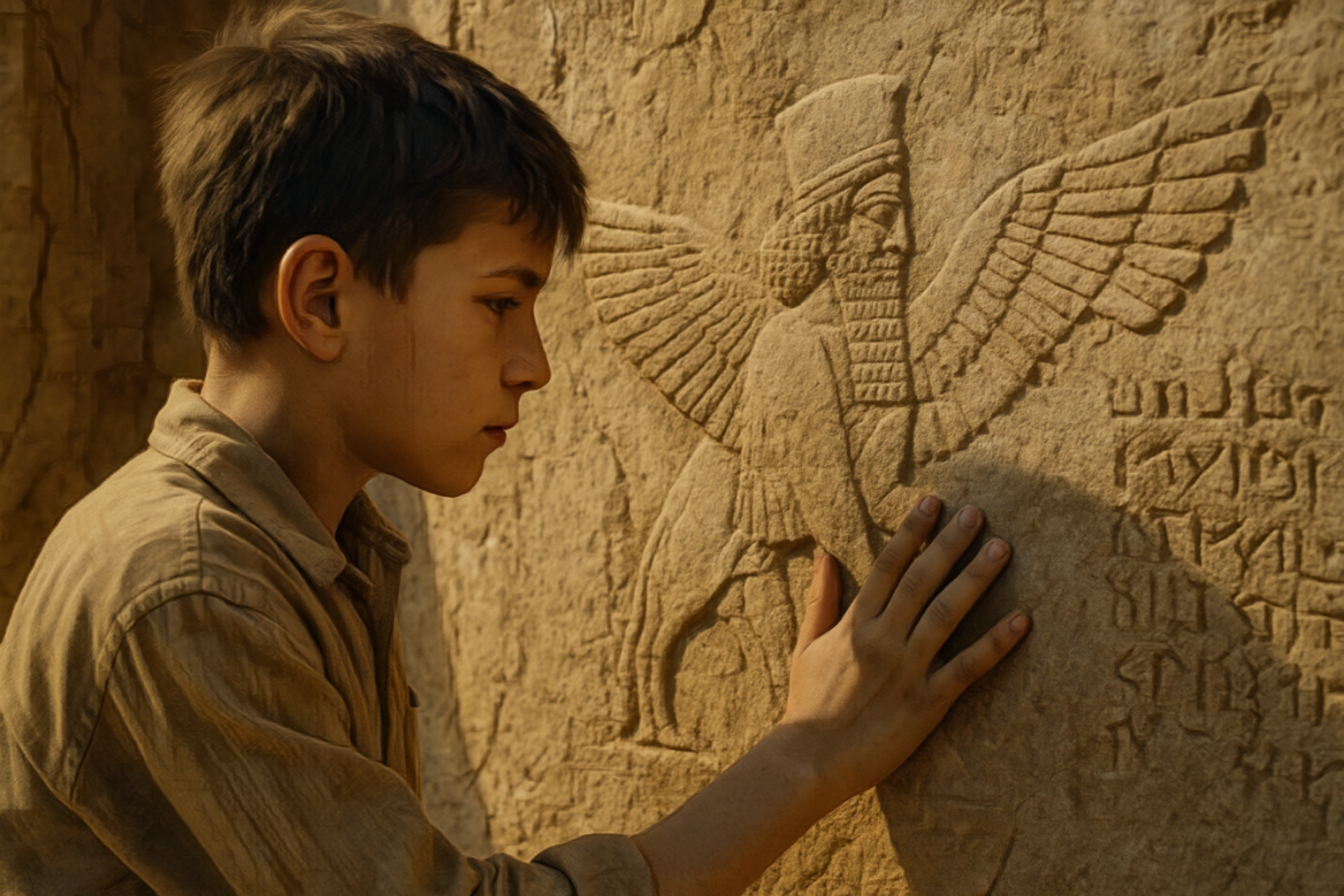
The boy was silent until they reached the ruins. Then he bent down and brushed away a layer of sand. There were carvings underneath—strange animals, ancient script.
“It’s still here,” he said.
His father nodded. “So are we.”
Iran has never vanished. Not under invaders, not under emperors, not under embargo. It survives in clay tablets and epic poems, in whispered prayers and shouted slogans. It survives because its people insist on being remembered—and on remembering.
A culture doesn’t disappear. It gets buried—until someone brushes back the sand.
In the 6th century BCE, Cyrus the Great marched into Babylon. But instead of looting it, he released the enslaved and declared religious freedom for all.