In 1992 my phone rang with an unexpected offer.
The caller was Henry Burkhardt, one of the engineers behind Digital Equipment’s PDP-8, a machine that helped launch the minicomputer revolution. Back when we had worked together, the computer world was small enough that a handful of engineers could genuinely steer its direction.
More than twenty years later Henry was starting a new venture called Kendall Square Research in Cambridge’s growing technology district and wondered if I might want to join.
“What do you have in mind?” I asked.
There was a pause.
“Just be a pain in my ass,” he said. “Like you’ve always been.”
That sounded like a job description I understood.
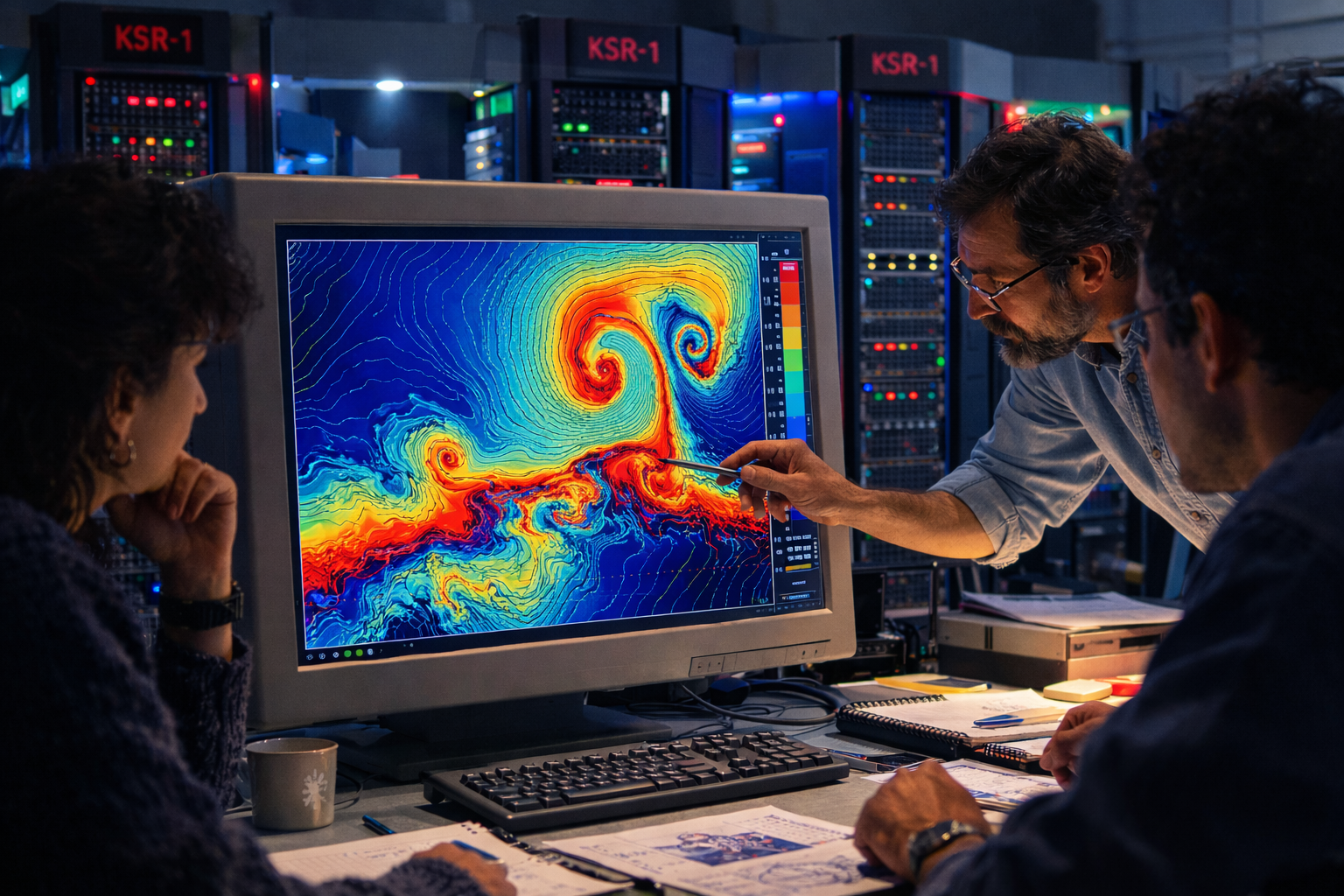
Kendall Square Research was building supercomputers designed for problems too large for a single processor—weather systems, climate models, genetics, astrophysics. The solution was parallel processing: thousands of processors attacking different pieces of the problem simultaneously and sharing the results.