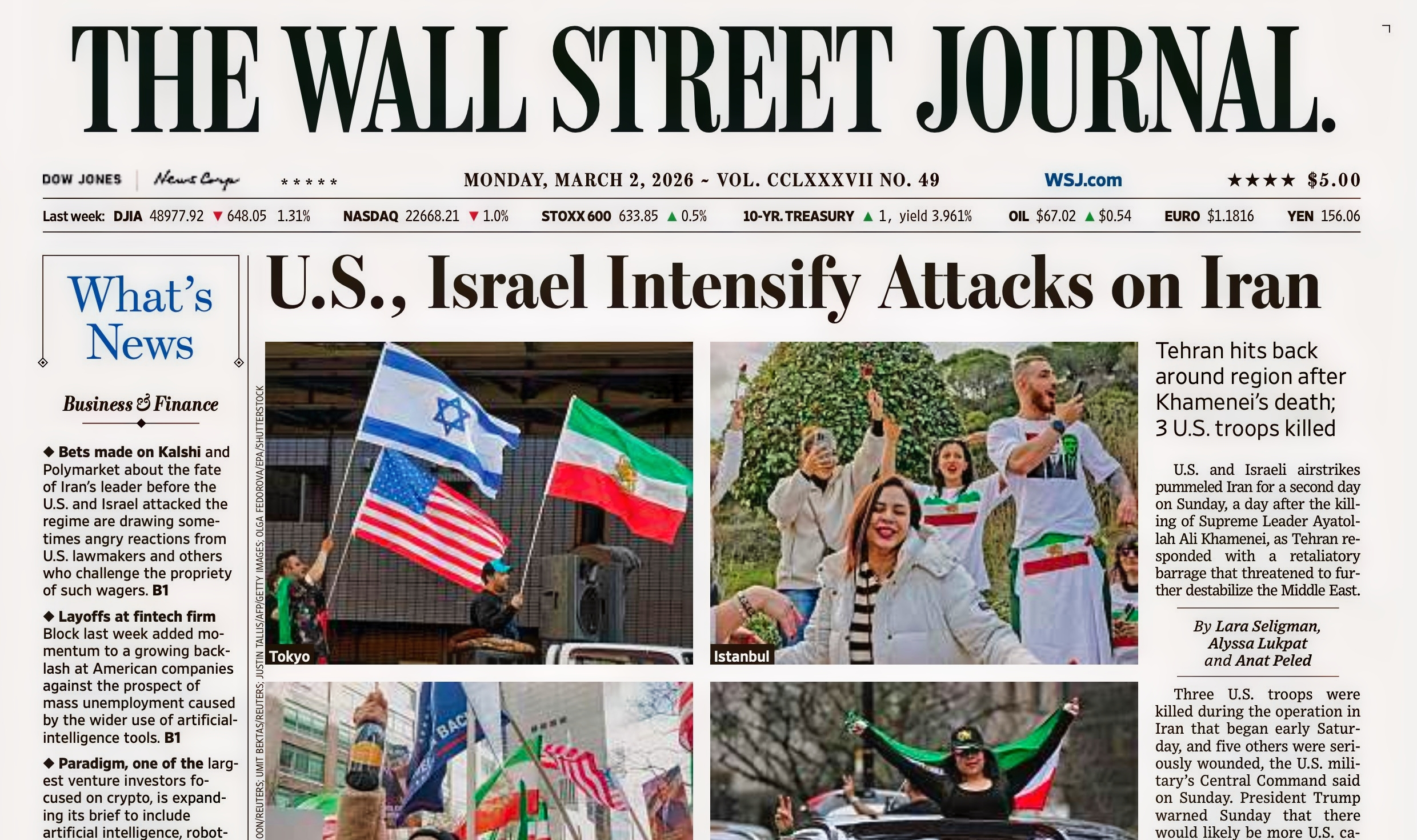
When the State controls the media, who can you trust?
At 6:03 a.m., I’m in my kitchen. I just let Sofia outside, and I’m waiting for coffee to brew. I’m reading about something that supposedly changed the country overnight.
By 6:07, three headlines have delivered three different verdicts. One calls it a constitutional crisis. One frames it as routine politics. One insists the real story is media hysteria.
The underlying facts have not changed in four minutes.
The story has.
That’s the part worth watching.
American media has not imploded. It has consolidated. Fewer companies now control more of what you read, watch, and scroll past before sunrise, and those companies are engaged in the ordinary but consequential work of large corporations—negotiating mergers, defending lawsuits, seeking regulatory approvals, trimming budgets, reshuffling leadership—activities that rarely make headlines but shape the environment in which headlines are written.¹
When a parent company needs a federal agency to approve a transaction, that creates leverage whether or not anyone names it. When executives decide a lawsuit carries unacceptable financial or regulatory risk, that decision becomes precedent, and precedent quietly reshapes future choices. No editor has to receive a call. No anchor needs a memo. The shift happens at the level of institutional risk calculation, and coverage adjusts at the margins.²
Consider a specific case.