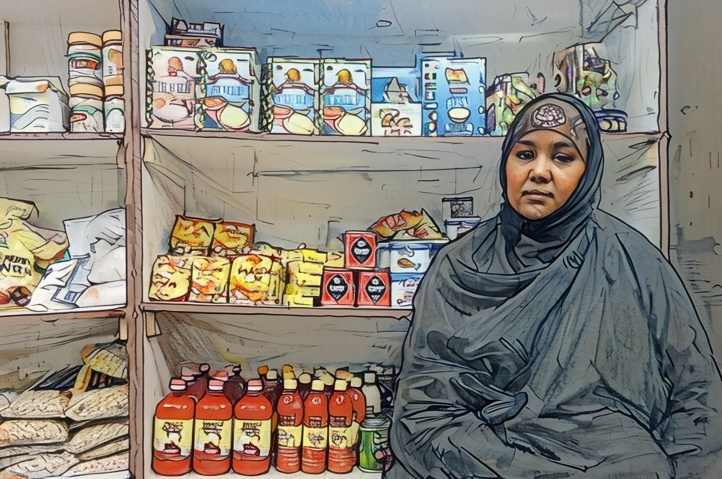
Inside the slow unraveling of immigrant life in American neighborhoods
Late winter light bounced off the courthouse doors just as they opened, sharp enough to make people squint. Three people stepped out quickly, coats pulled tight, eyes fixed on the sidewalk instead of the crowd waiting along the snowbank. A woman near the curb looked down at her phone, then checked it again. Beside her, a man murmured something in Somali, low and fast.
Snow scraped sideways across Pine Street, thin and dry, making a faint hiss that carried across the sidewalk. Families clustered near the Lewiston District Court entrance, shoulders tucked inward against the wind, phones glowing in mittened hands. Every few seconds someone refreshed a screen, glanced toward the courthouse doors, then looked down again.
Inside, immigration cases moved through afternoon hearings. Outside, people waited without expecting answers, the way relatives wait outside surgery — not for news, just nearness.
The shift in Lewiston did not arrive with speeches or public briefings. It spread through forwarded messages, mosque conversations, and family group chats. WBUR reported that stepped-up federal immigration enforcement across southern Maine led some residents to stop going to work, school, or stores, while several immigrant-owned businesses began closing earlier than usual.¹
Lewiston’s Somali community numbers about 3,000 residents, according to local reporting.¹ Large enough to support grocery stores, daycare centers, restaurants, and weekly errands that pull people through them. Small enough that arrests travel quickly. When federal agents detained a nurse’s assistant in South Portland, WBUR reported that word spread through family messaging groups before most residents encountered formal alerts.¹