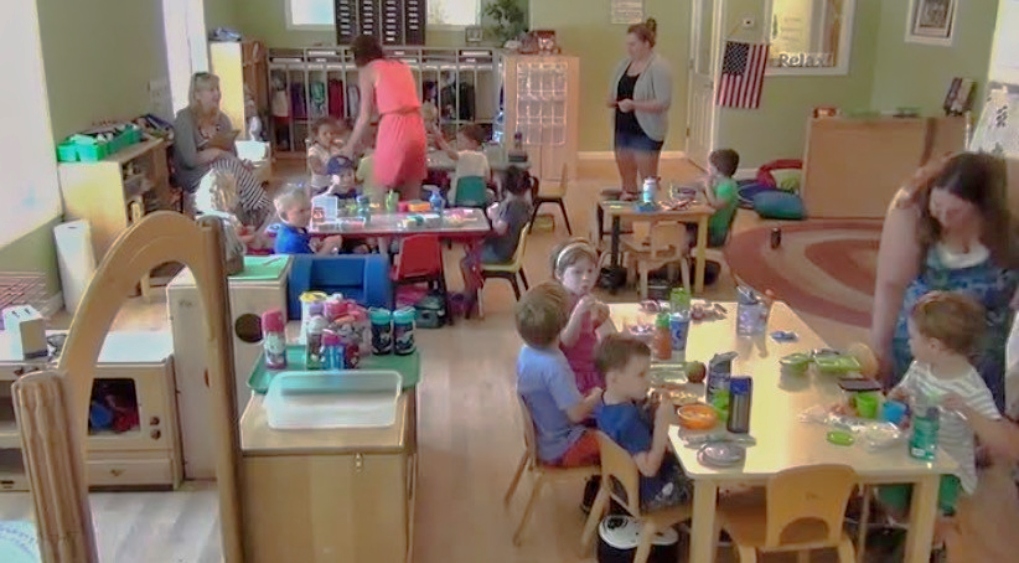
Five families owe Donna Levasseur $3,000 each. She keeps taking their kids anyway.
Levasseur runs a daycare in Lewiston. The families should have had their state child care subsidies months ago — the state promises a decision within 15 days of application. When the payments didn't come, the state told her the debt was on the families. Some of them can pay it back. Some won't.
"Because they're family," she told WGME reporter Mal Meyer last fall, "and they need child care. I don't have the heart to look at these people and say, 'I can't take care of your kids anymore,' because the kids need us."
Her assistant director, Lisa Gagnon, was less patient with the accounting. "These people want to work. They can't work because the state's taking too long to get our subsidy in. The middleman ain't working."
By last fall, Gagnon was being asked how much longer she could keep doing this. "It's coming to the end now," she said.
Maine has 841 children in state custody under the age of four, and more than half need child care. The state made that decision: took custody, exercised its authority, removed those children from their families. It then contracted with a thin and dwindling pool of providers willing to take them — fewer than 200 of the state's roughly 800 child care facilities, about 90 of its 650 registered home providers.¹ The state spends about $6 million a year on this arrangement. The law requires payment within 15 days of invoice.
It often doesn't.
On May 20, the Maine Legislature's Joint Committee on Government Oversight received good news. DHHS paid 95.5 percent of its child care invoices within state standards last year. Sixty-eight percent were paid within seven days. The committee received this as evidence of improvement.²