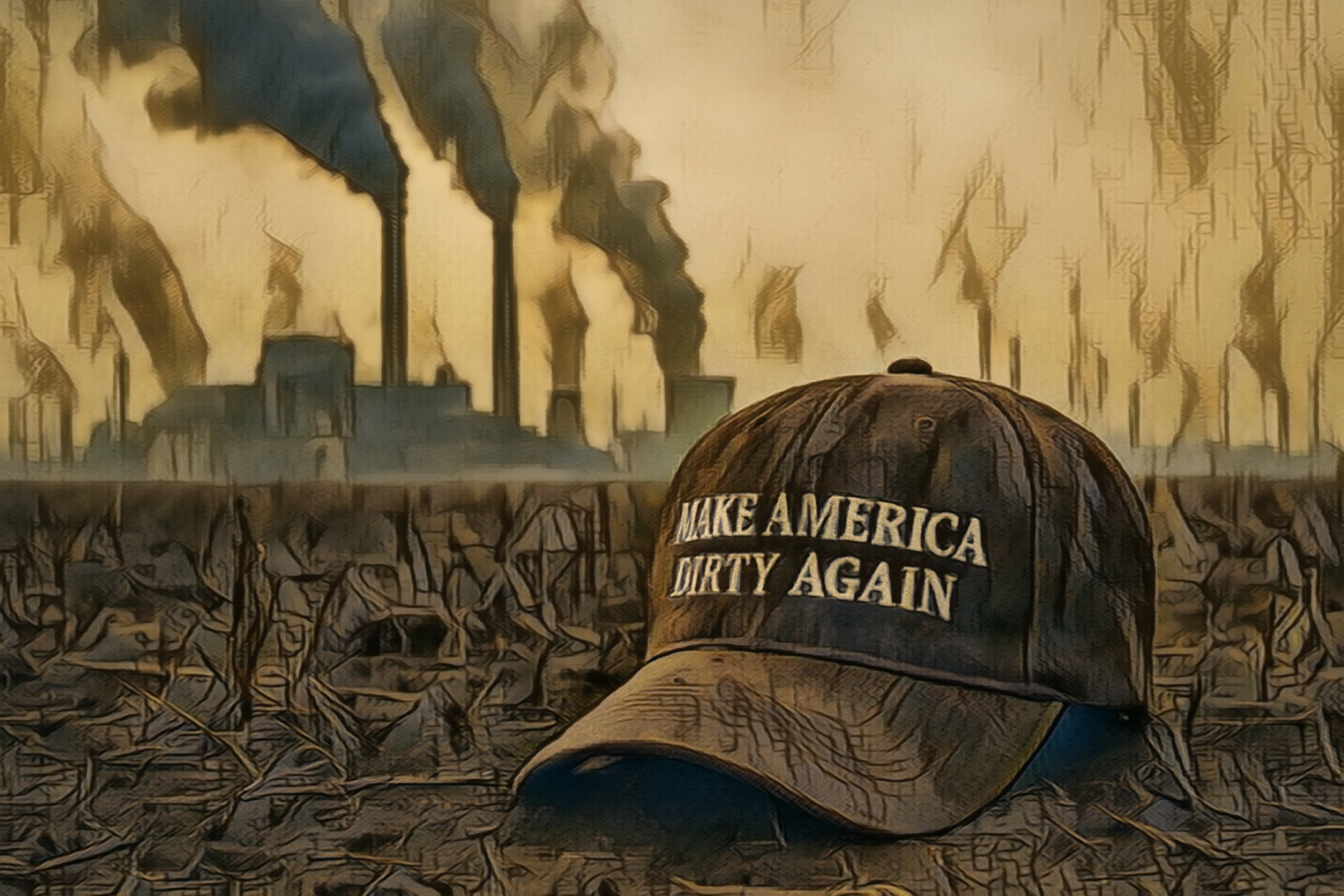
The school bus hummed past the half-built solar array. Three rows of dusty panels faced the morning sun. Then—nothing. Just fenced-off dirt, a locked trailer, and the contractor’s phone number peeled halfway off the sign. Mike Starkey stood at the edge of the site, hands jammed in his pockets—not for warmth, but to keep from scratching the label off his thermos. He was supposed to have a crew here. The grant had come through in February. It vanished by May.
“We already had a cut in our local soil and water conservation office,” he said. “It’s someone we really depended on.”
He didn’t raise his voice. He didn’t have to.
Across the world, cities are pulling carbon from the air and planting forests where freeways used to be. Seoul is building wind-path corridors to cool its urban core. Rwanda planted 65 million trees. Paris hit 63,000 new plantings and is on track for 170,000 more. In Indiana, Mike is thinking about selling a piece of his back lot just to keep the lights on.
“The rest of the world is building. We’re peeling off the labels.”
The contrast isn’t just sharp. It’s intentional. On his first day back in office, Donald Trump withdrew from the Paris Agreement before the paint dried on the Oval Office walls. He slashed renewable energy funding and rolled back dozens of EPA rules. His aides called it “unburdening” America. Coal trucks paraded past EPA headquarters. One protester wept. Another just crossed her arms and watched the diesel exhaust drift into the wind.
In Vietnam, 56 gigawatts of solar and wind are in development. Kenya’s electricity is 90% renewable. Brazil cut Amazon deforestation by more than half. In North Carolina, fourth-generation farmer Patrick Brown submitted every form, met every requirement, and still got nothing.