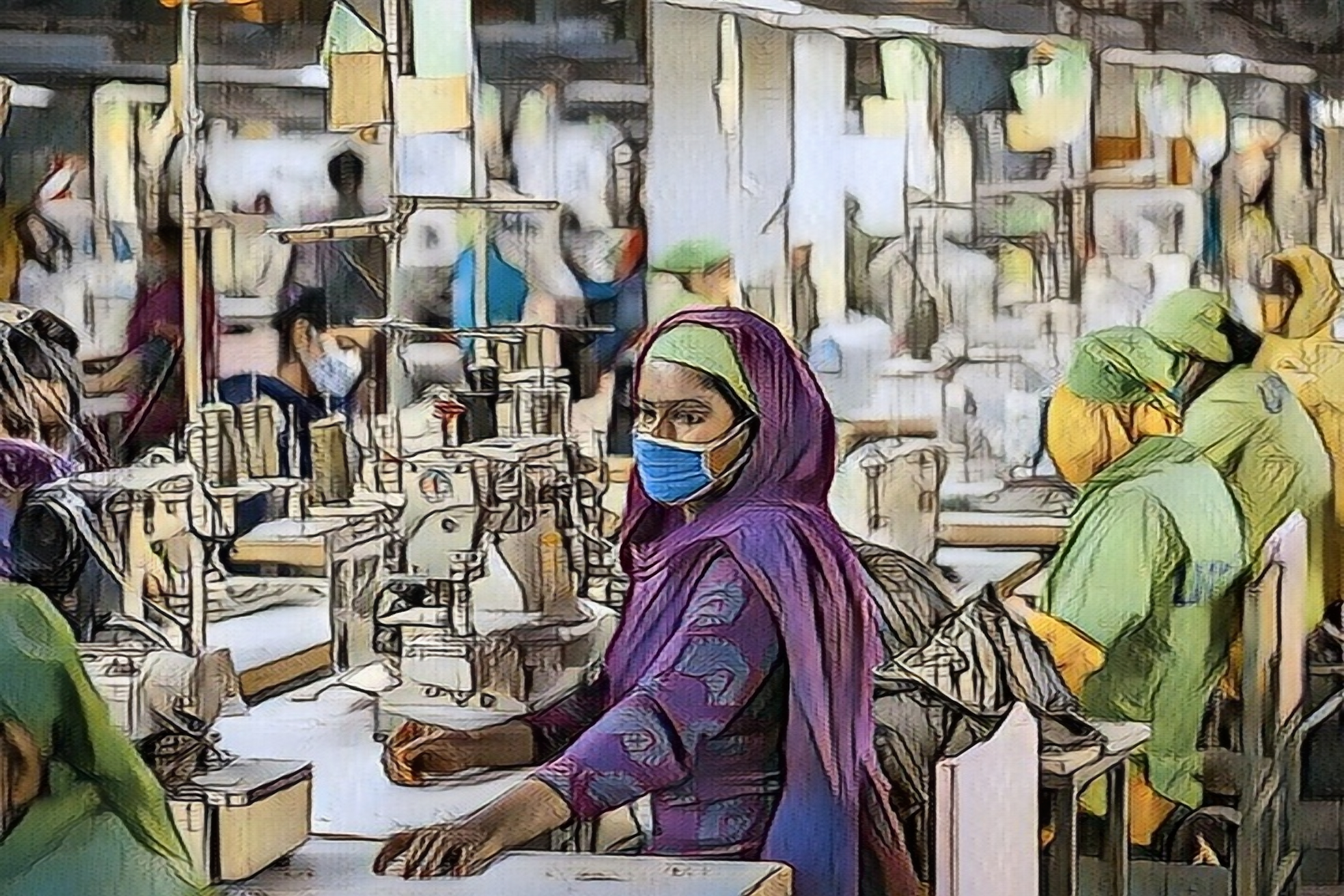
It was supposed to be a hammer. Instead, it’s become a boomerang.
When Donald Trump slapped 125% tariffs on Chinese imports this year, he promised an industrial renaissance. “We’re bringing our jobs back,” he declared at a rally in Michigan. “Real jobs. American jobs.” But like most strongman slogans, the reality is uglier—and far more complicated. The White House’s carve-outs for high-tech sectors like smartphones, semiconductors, and solar components reveal what the policy truly is: a sweeping, regressive tax that spares corporate titans and punishes the little guy.
It lets Asia have high tech; we’ll bring back the sweatshops.
It’s not high-skilled, high-wage manufacturing coming home. It’s low-margin sweatshop labor limping back under a flag. The tech sector gets exemptions. The textile importer in Omaha? She’s stuck with 145% duties and a customer base unwilling to pay triple for socks.
“No way to survive,” said Lisa Tran, who runs a family-owned apparel brand that sources bamboo fabrics from China. “I tried to absorb the costs, but it’s impossible. I’ll have to lay off half my team by July. And for what? To make T-shirts in Alabama at 30 cents an hour?”
That’s the paradox of Trump’s trade war. The administration insists it’s punishing China to protect American industry. But the industries it’s protecting are the ones least capable of generating value, while those capable of actual strategic competition—tech, energy, advanced manufacturing—are explicitly excluded from the pain.
“This is an industrial policy by tantrum,” said Jason Furman, former chair of the Council of Economic Advisers. “You don’t reshore semiconductors by giving Apple a free pass while bankrupting every mid-sized manufacturer in the Midwest.”
The exemptions speak volumes. Smartphones, computers, chips, and solar cells were all spared,