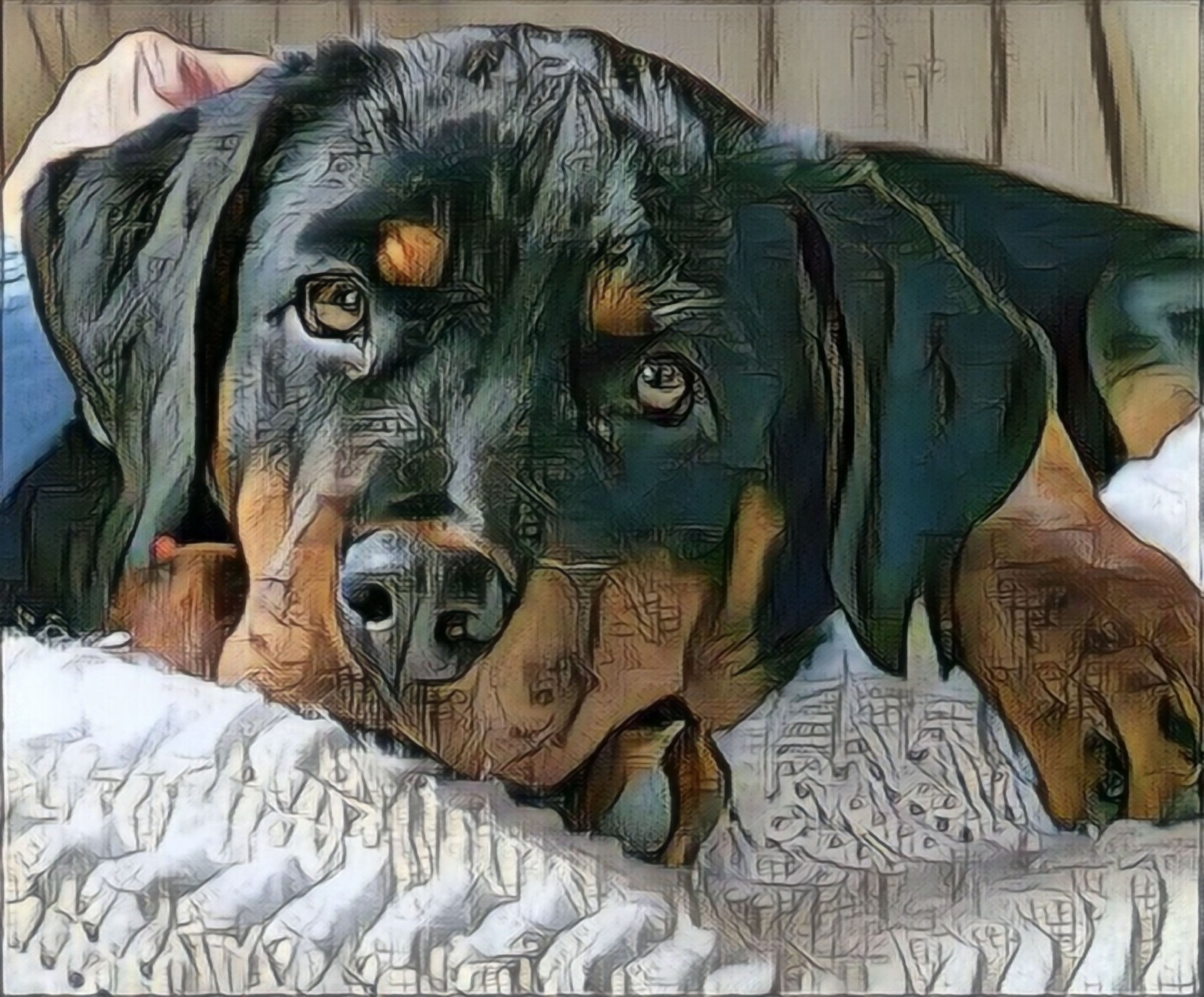
The morning air on the Seacoast carries the faint tang of ozone after last night’s lightning—the storm’s breath still tucked in the hedges. Sofia—my Rottweiler—drops her nose to the sidewalk like a compass needle snapping north: decisive, exact. The leash slackens. She traces the ghost of a rabbit’s path until the scent buckles under the stench of wastewater treatment and diesel fumes. Head up. Sidestep into clean air. Quiet around two parked SUVs.
AI can hand you five tidy theories; Sofia makes one correct right turn.
That’s the difference worth guarding in an age of algorithms. When schools debate AI tutors and parents brace for another ed-tech wave, the essential question isn’t whether machines can recall facts. It’s whether children can still practice curiosity: the habit of running tiny experiments—predict, try, update, stop. Learn.
Teach the habit, not the script.
Teach kids to navigate uncertainty, not just recite facts.
Recall is cheap; the scarce skill is choosing the next question.
Large language models—ChatGPT, DeepSeek, Claude—string together fluent answers. But they don’t sniff, sample, or detour. Sofia does. Crack in the curb—pause. Wind shift—resample. Gate stuck—nudge, test, then pin me with that Rottweiler stare: dog code for “your thumbs, please.”
Inside, I toss her a challenge: “Where’s the new white ball?” A phrase she has never heard. Two impostors, yellow and blue lacrosse balls, sit in plain sight. She ignores them, scans the baseboard, and drags a scuffed white sphere from under the sofa like a pearl from a drain. No lesson on synonyms. Just inference, elimination, and a wager on what made sense.