How AI actually helps—if you let it
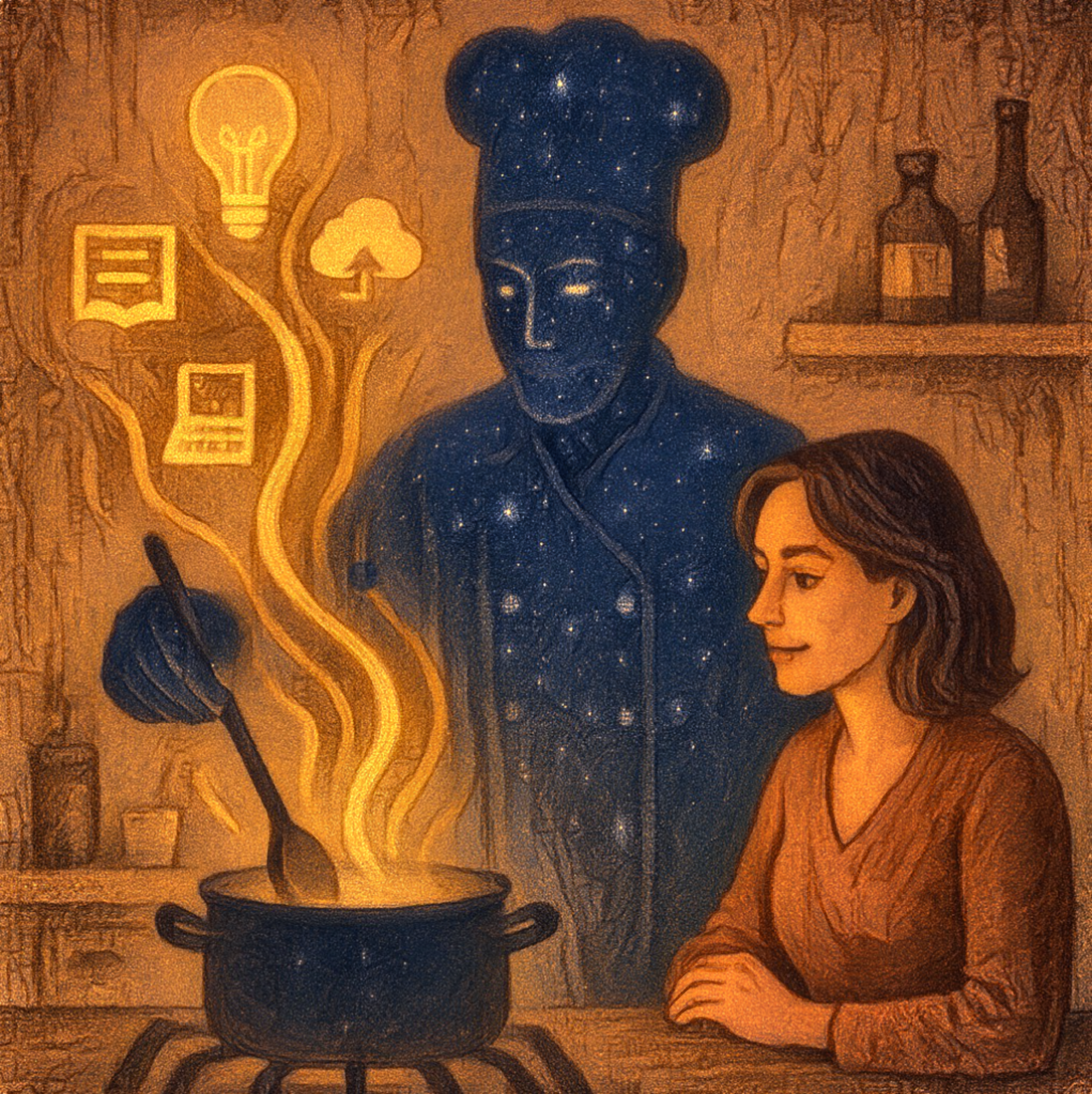
A good chef knows how to improvise. Adjust on the fly. Trust taste over instructions.
A sous-chef doesn’t. A sous-chef preps.
That’s AI. Not the visionary at the stove, but the one dicing onions fast, precisely, and without asking why. AI isn’t thinking. It’s not inventing. It’s following the patterns it’s seen before and guessing what usually comes next.
“AI is the sous-chef. You’re still the one tasting the dish.”
And lately, that’s been enough to change how work gets done. Teachers use AI tools to tailor lessons. Farmers use it to track pests before they spread. Doctors use it to flag dangerous conditions hours before symptoms show up.
The tools don’t care what the job is. They just remember how it’s usually done—and do it more thoroughly and faster. But precision isn’t the same as understanding.
AI needs to be used with care. It can make mistakes because the things it has seen before might have been confusing or wrong. It’s the sous-chef that dices when he was asked to julienne.
But, like the Internet and the printing press. AI is going to change everything.
“AI is the new electricity.” —Andrew Ng
Electricity didn’t stop at light bulbs. It redefined every system it touched: manufacturing, hospitals, homes. AI is doing the same. It picks your next show. Flags a tumor a doctor might miss. Suggests a better layout for your slideshow. Tracks drought signs in Iowa before they hit the news.
And it does it fast. AI doesn’t replace radiologists—it frees them from staring at 300 scans a day.