At least, that’s what people say.
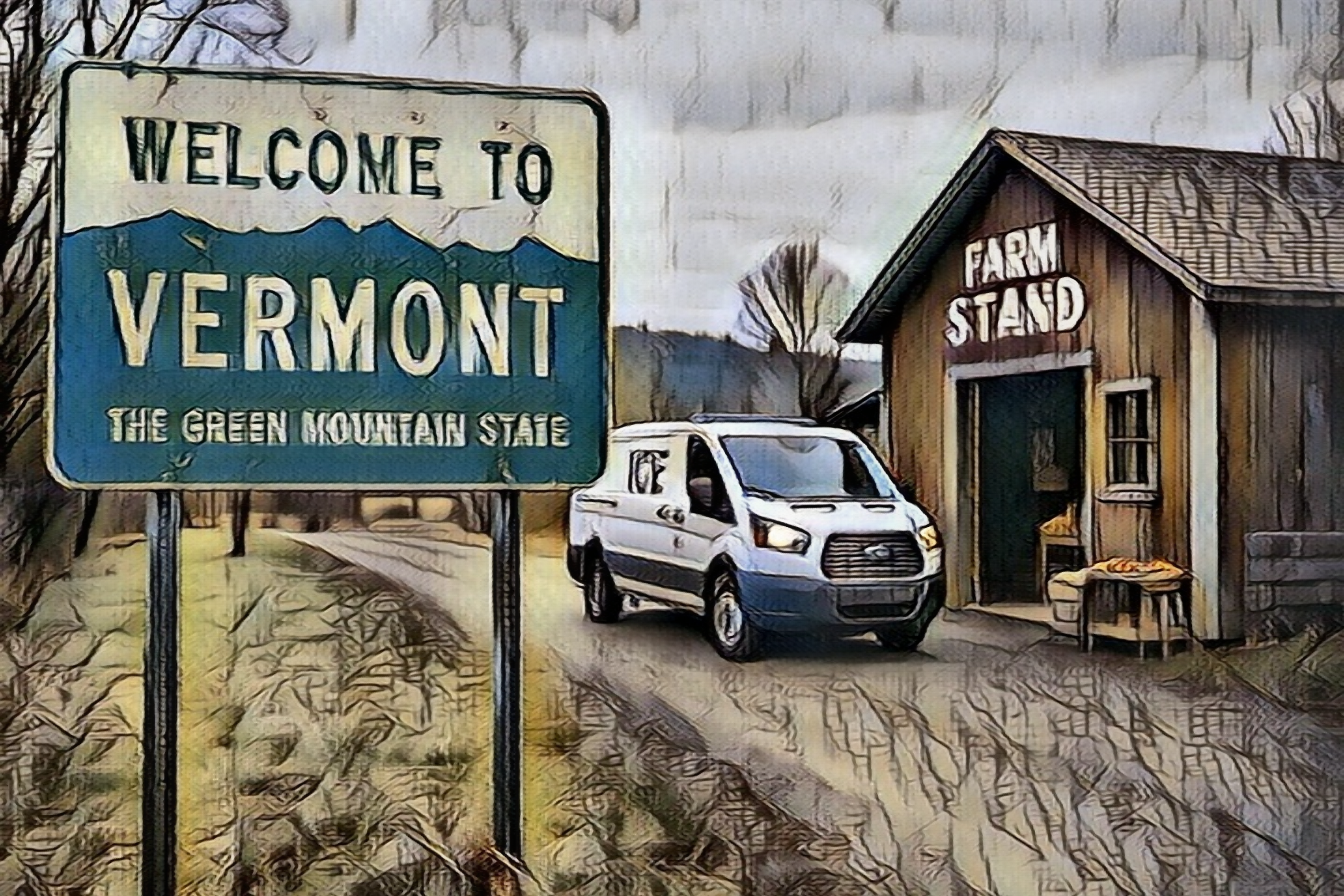
Vermont doesn’t make headlines. It doesn’t do raids, not like Boston. It’s maple syrup and Bernie Sanders, not shackles and deportation flights. But on March 18, inside a small farmstand outside Montpelier, federal agents cuffed three men in muddy boots and drove them away without saying a word.
“They didn’t even ask for papers. Just names. Then they took them.” — Marisol, a cashier who watched from the walk-in cooler
They were agricultural workers—Honduran, Guatemalan—on Red Fire Farm’s seasonal crew. Not criminals. Not new arrivals. Just the wrong people at the wrong time.
That same week, ICE arrested 370 people across New England. Most of them in Massachusetts. But the sweep bled north. Farms. Restaurants. Auto shops. In Vermont, it happened so quietly that even their families didn’t know where they were for days.
In Springfield, one woman showed up at a local police station with a photo of her brother. She was told he “wasn’t in the system.”
“He just disappeared,” she said. “They told me to wait for a phone call.”
It came three days later—from Texas.
Vermont’s self-image is gentle. Pastoral. It’s why people move here, why refugees rebuild lives here. But behind that peace is something brittle: a refusal to believe that federal policy applies to this place.