It started with a baby.
Three months old. Cystic fibrosis. Her parents came on a tourist visa, desperate for a machine that could keep her lungs from drowning her. It didn’t exist in the country they’d fled. At the Boston border, they handed the customs agent a stack of papers and a photo of the hospital’s intake form. Taped to the baby’s wrist was a yellow plastic bracelet.
They were turned away.
What saved her wasn’t mercy. It was a federal judge—not because he knew her name, but because, at that moment, one court ruling still applied to the whole country. She made it through. Barely.
That power no longer exists.
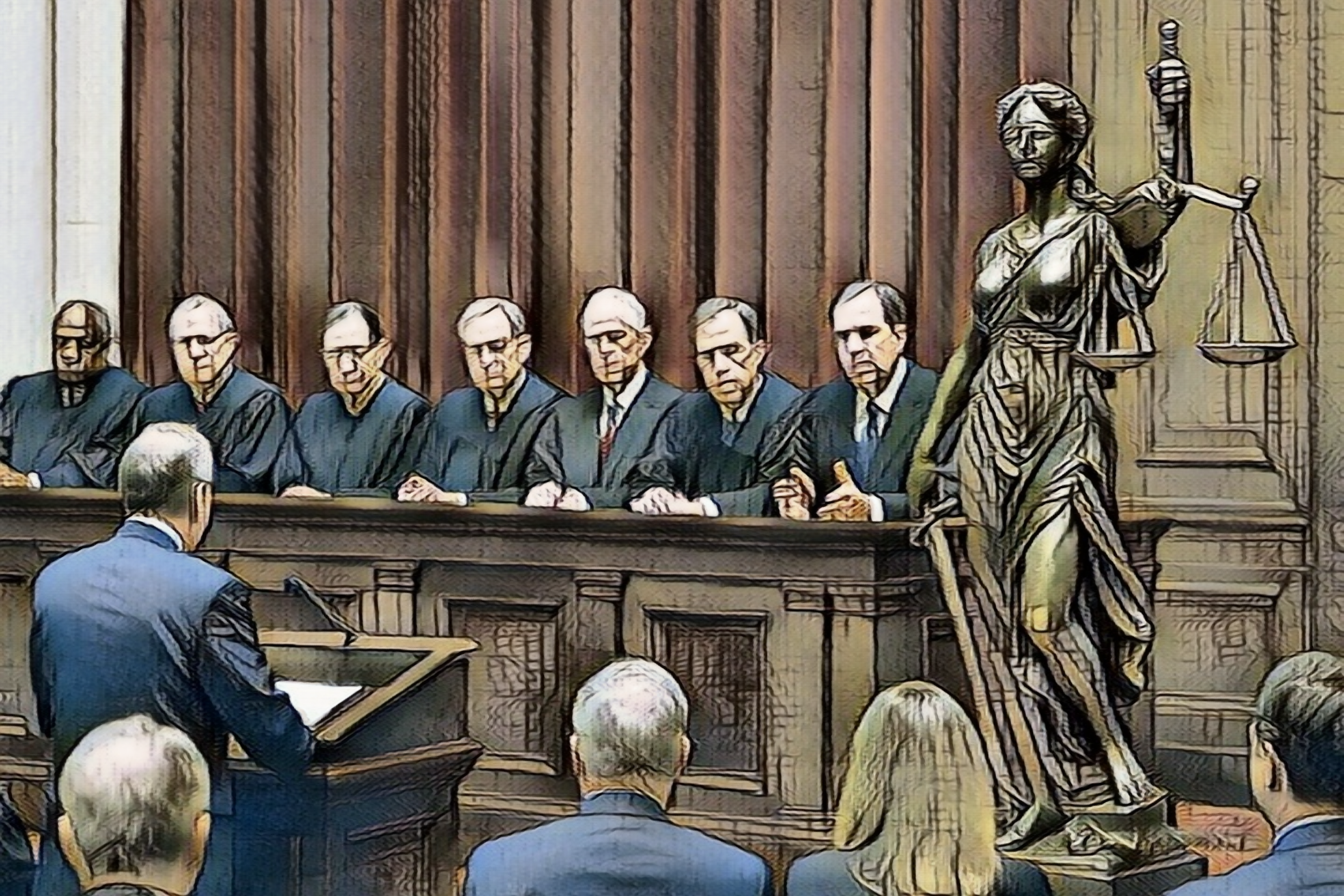
Last Friday, the Supreme Court ruled 6–3 that district court decisions can’t stretch beyond their own turf. Nationwide injunctions are done. From now on, when a judge blocks a presidential order, the protection ends at their bench.
“A child protected in Boston can now be denied in Phoenix.”
The ruling doesn’t mention birthright citizenship. It doesn’t have to. It guts the only legal tool that once paused unconstitutional orders before they hit someone like her. From now on, justice must be argued—and won—again and again, wherever the damage lands.
Since February, judges in Maryland, Massachusetts, and Washington had frozen Trump’s Executive Order 14160—the one trying to deny citizenship to kids born to undocumented parents or temporary visa holders. The White House called it a clarification. Judges called it unconstitutional.
But now, under Labrador v. Poe, those rulings stay local. Boston can stop it. Arizona doesn’t have to care.