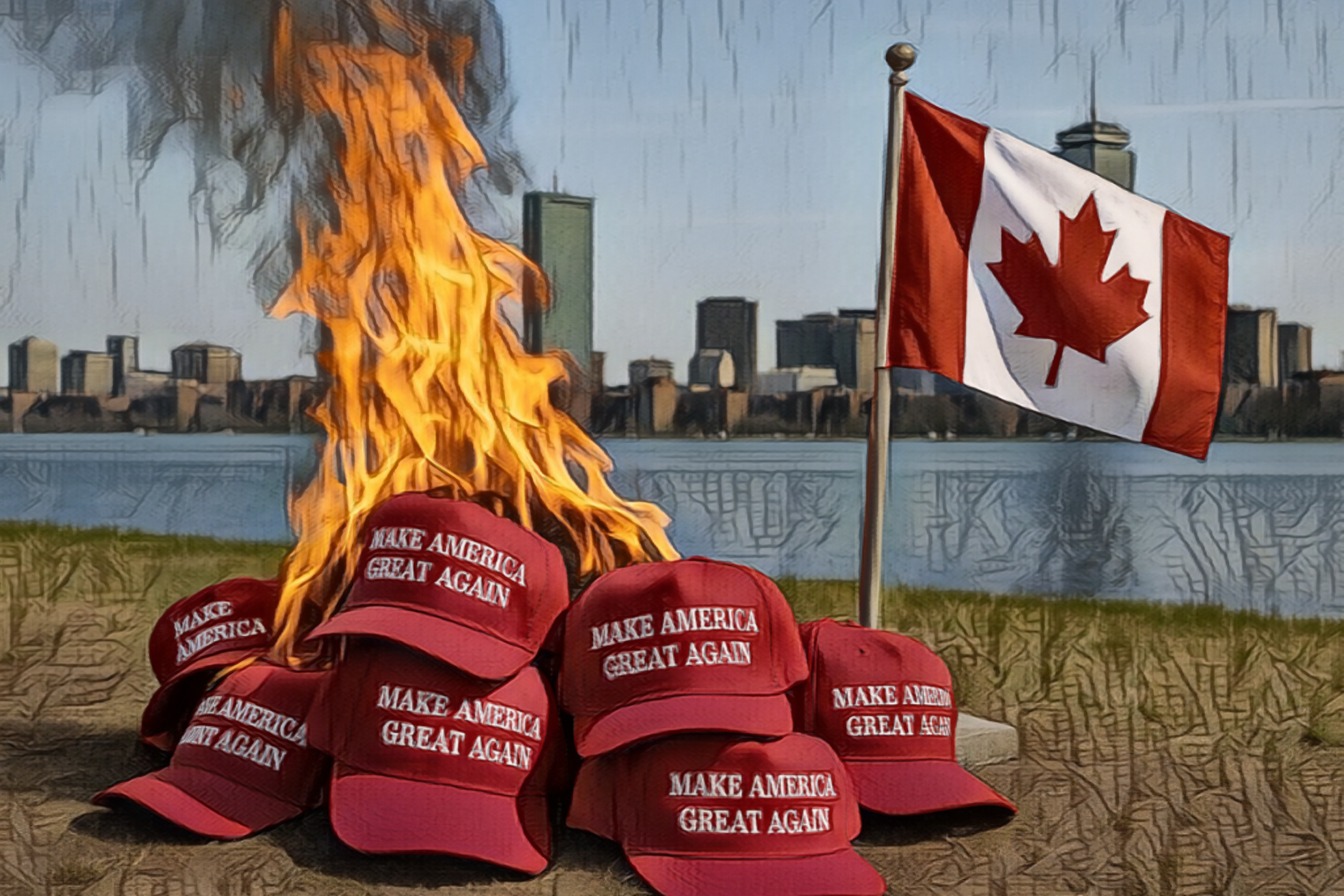
It’s August, 2027. The first soldier to switch sides is 23-year-old Private Mitchell Lavoie. Local kid from Lewiston, Maine. Five years in the Guard, zero combat experience. When orders come to blockade the Augusta statehouse, he turns off his comms, steps out of formation, and walks. Sweat bleeding through his camo. Nobody fires.
That’s Week Two.
The city heat hasn’t broken in 19 days. In Boston, asphalt peels under riot tank treads. Protesters crowd the Common with sunburned arms and handmade signs. The standoff breaks into violence after dark. Eight dead, over 300 injured. Mayor Michelle Wu—her office sealed off by federal troops—smuggles out a livestream declaring the city under temporary state sovereignty. The White House responds by cutting power. Substations go dark. Cell service flickers. Helicopters circle.
“The Constitution doesn’t tell you what to do when the coup comes from the inside.”
The spark isn’t new. Back in October 2026, Trump declared the midterms “cancelled due to a credible threat of coordinated election fraud.” No ballots were printed. No debates aired. Congress stayed Republican by default. The Supreme Court refused to hear challenges. Protests erupted coast to coast—Seattle, Oakland, Burlington, New Haven—and in New England and the Far West, they didn’t die down.
They evolved.
The Far West erupted first. Mass resignations in Oregon. A worker-run shipping port in Tacoma. Arizona teachers forming collectives to teach an “uncensored curriculum.” But New England moved more strategically.
Vermont declared noncompliance. Massachusetts followed. In Montpelier, the statehouse issued a one-line memo to Washington: