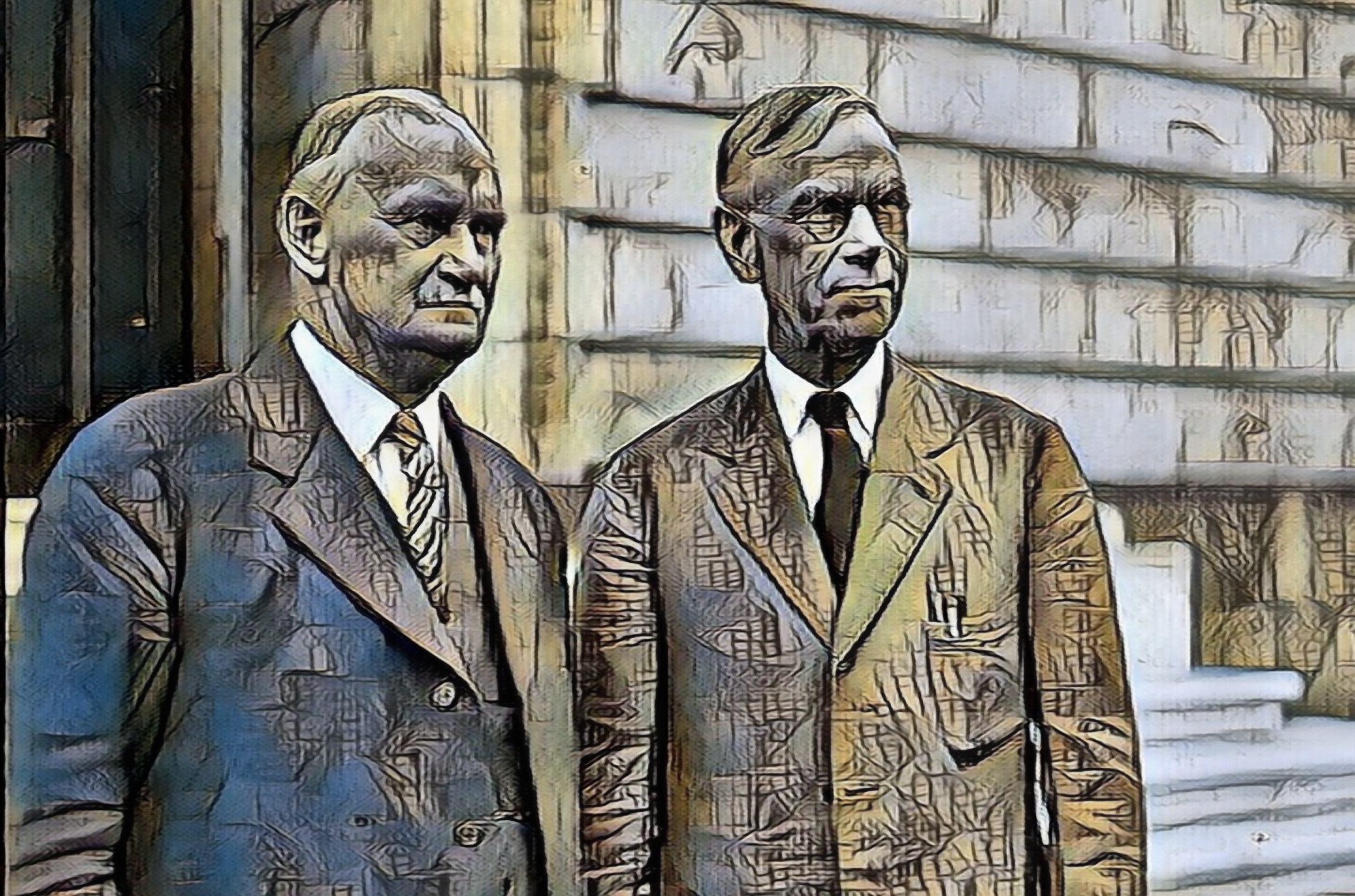
In one of the darkest chapters of American economic history, politicians reached for a tool as blunt as it was politically expedient—tariffs. At a time when the nation’s heartland was bleeding from mass unemployment and plummeting prices, they believed protectionism could serve as a life raft. Instead, the Smoot-Hawley Tariff Act of 1930 fanned the flames of economic ruin, isolating American businesses and decimating livelihoods. As one observer grimly noted, “No one wins a trade war.”
The story begins in the 1920s when American farmers were reeling from a brutal economic shift. European agriculture rebounded rapidly after World War I, sending global crop prices plummeting and leaving overleveraged U.S. farmers sinking into debt. Against this dire backdrop, Herbert Hoover—then a rising presidential hopeful—promised relief through higher tariffs on agricultural imports. The idea was simple: raise barriers to foreign goods, and domestic prices would follow. But what began as a lifeline for struggling farmers soon spiraled into a catastrophic experiment in economic isolation.
“No one wins a trade war.”
In Congress, the modest proposal was hijacked by powerful industrial lobbyists and entrenched political interests. The bill expanded rapidly, ballooning from a targeted measure into a sweeping imposition on more than 20,000 imported goods—from wheat and sugar to ball bearings and textiles. By the time the House approved the measure in 1929—mere moments before the stock market crash—its true scale had already taken shape. Bitter debates in the Senate only underscored its flaws, yet despite clear warnings, Hoover signed the law on June 17, 1930—a decision destined to become a synonym for policy disaster.
Critics were vocal from the start. “It was nothing short of economic stupidity,” declared Henry Ford, a sentiment echoed across boardrooms and newspapers alike. Over 1,000 economists pleaded with Hoover to veto the bill, and Thomas Lamont of J.P.