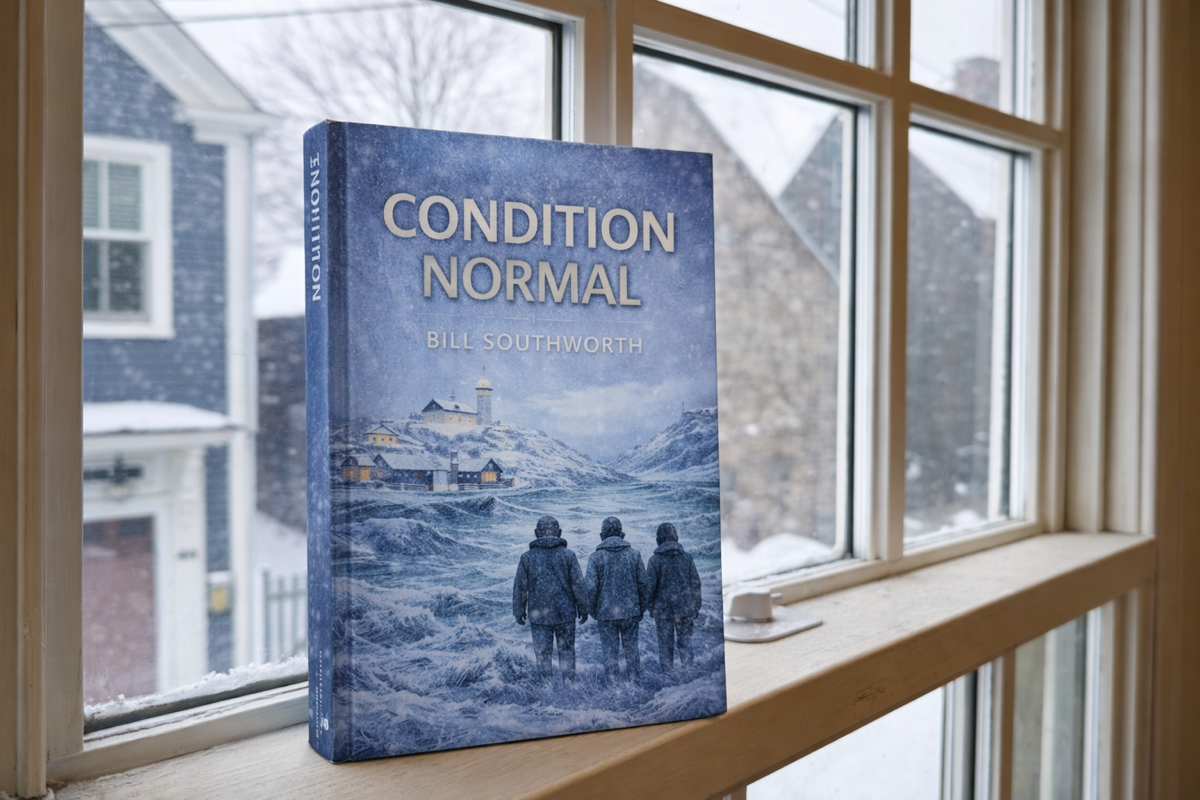
The polar vortex is at our doorstep — at least I think the doorstep is under all that snow.
It’s Monday morning, and the snow has been falling since yesterday.
A third cup of coffee is going cold beside me, a small act of defiance against the shovel waiting by the door. The storm is not nearly as bad as television promised. But weather forecasts are written for headlines, not for driveways. Mine has disappeared anyway, along with the reflective poles that mark the edge of the garden. The snow is light, powdery, insistent — a three on a scale of one to snowball.
The heat pump hums steadily. Inside, the house is holding. Outside, the thermometer reads twenty degrees. Balmy compared to yesterday’s “real feel” of −14℉.
This winter has been unforgiving. Cold arriving early. Snow in November accumulating as if the season never quite reset.
At first, it feels personal. Then it starts to look like something bigger.
The first thing that breaks is not the cold. It is the grid.
By January 23, plow cameras along Interstate 90 in upstate New York showed traffic lanes erased under successive lake-effect bands. In northern Maine, the National Weather Service recorded −14°F before sunrise. In Arkansas, Oklahoma, and north Texas, utilities began rotating outages as ice accumulated on above-ground lines beyond design tolerances.¹²
This was not a scattered storm. It was a continental pattern.