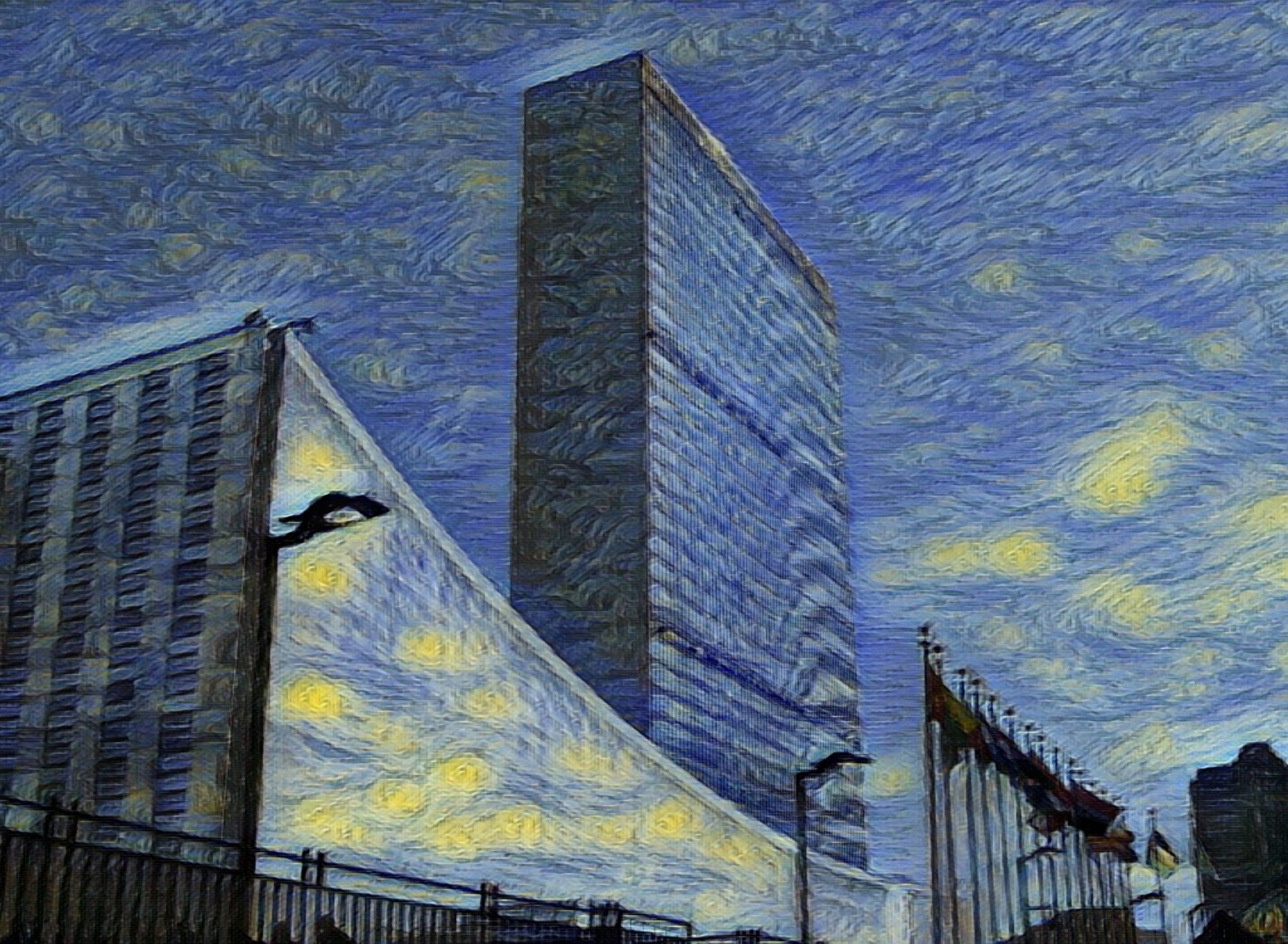
The blue police barricades on First Avenue looked like a diagram of caution—angles, choke points, a geometry of waiting. Across from the U.N.’s glass wall, a woman in a navy blazer folded a Metro into quarters and said to no one that the city always feels “held” during high-level week, like breath before a verdict. Inside, the verdict arrived in a rush of microphones: Britain, Canada, Australia, and Portugal each stepped up to say they now recognize the State of Palestine—four declarations in roughly twenty-four hours that sent cheers through Ramallah, fury through Jerusalem, and a ripple of recalculation through Washington¹.
“We recognize the State of Palestine.” Portugal’s foreign minister, Paulo Rangel, said it plainly in New York, pairing the move with a ceasefire call, a rejection of Hamas’s role in Gaza, and a warning that settlement expansion “erodes” statehood; he noted the announcement was coordinated with London, Ottawa, and Canberra¹.
Recognition, of course, isn’t membership. The map at Turtle Bay still runs on procedures and vetoes. When Palestine sought full U.N. membership in April 2024, the United States cast the deciding “no” in the Security Council, stopping the upgrade though 12 of 15 members voted yes; Britain and Switzerland abstained².
“Recognition is political; membership is procedural—and vetoable.” That’s why the hallways hummed even after the gavel fell. The week before leaders flew in, the General Assembly adopted a two-state declaration that condemned Hamas’s Oct.7 atrocities and Israel’s attacks on civilians, and urged “tangible, timebound, and irreversible steps” toward an end-state—language that sounded like a promise written to outrun habit³.
In Bay Ridge, where Palestinian-American families keep one ear tuned to WhatsApp, the recognitions landed somewhere between relief and suspicion⁴. When President Trump floated a U.S.