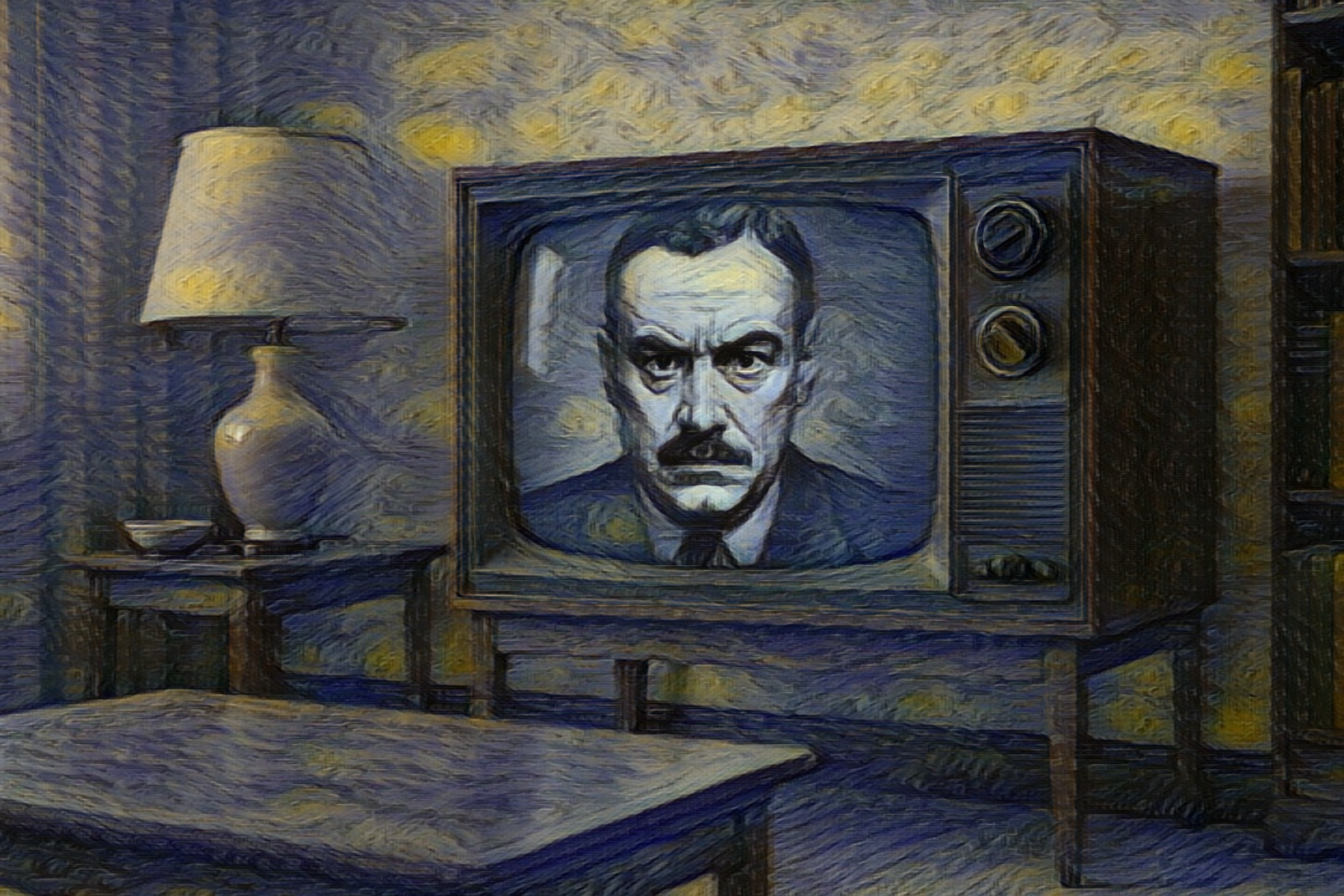
“You had to live—did live, from habit that became instinct—in the assumption that every sound you made was overheard, and every movement scrutinized.” —George Orwell, 1984¹
Mike Baker didn’t notice the hotel room anymore—just the glow of the screen and the weight of his inbox. The email was brief and clinical: the Department of Homeland Security had flagged his tweets as “intelligence reports.” No inquiry, no warning. His coverage of Portland protests—timestamps, crowd estimates, gear lists—was cataloged and rerouted as raw data. His journalism was no longer narrative; it was surveillance in motion. This breach—and its impossibility—had crossed the screen and settled in his lap.
He thought back to that night in Portland: the smell of pepper spray tearing through the dusk air, the reverberation of makeshift shields struck against concrete, a protester wrapping a friend’s open wound with a bandage before sprinting back into the swarm. He turned a corner and posted a tweet, then reemerged into the fray. Somewhere, someone had already begun parsing that post into bytes—into patterns.
Months later, The New York Times Magazine revealed the FBI had acquired Pegasus, the Israeli spyware able to infect phones—camera, mic, texts—without engagement. The U.S. version, Phantom, came with its own manuals, dashboards, and procurement lines. “Pegasus is not a wiretap,” the magazine observed. “It is possession of the phone.”² Government sources said it was a test. Baker knew better: infrastructure isn’t hypothetical.
Surveillance didn’t need malware to work. U.S. Customs and Border Protection bought location feeds from brokers like Venntel and Babel Street—millions of pings tied to everyday app use. In three days, CBP logged 113,654 location hits. No warrant. Just a ledger.³