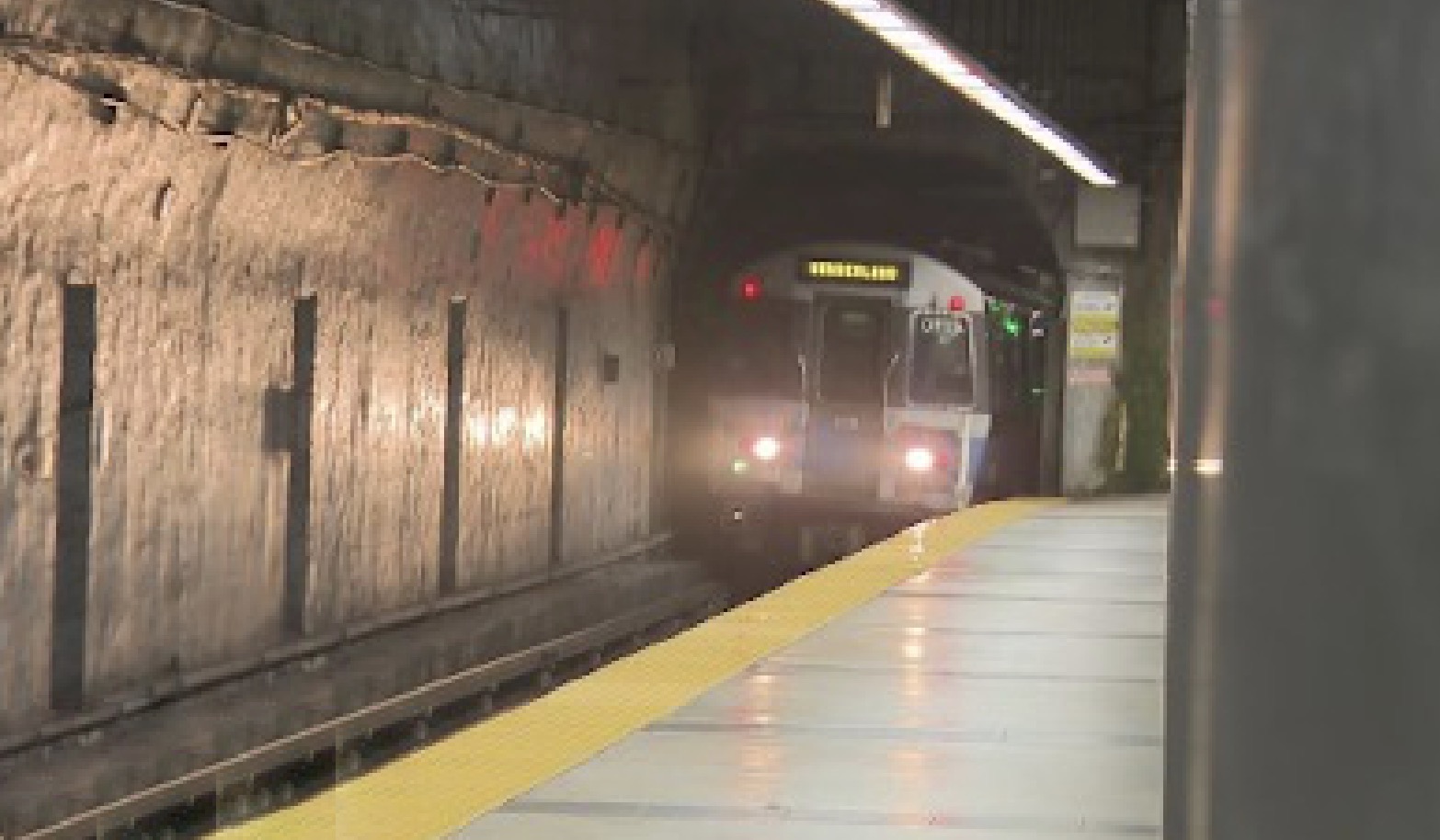
He saw the flash first. Then came the scrape—metal on metal, loud enough to still a whole train. The cable—once bolted to the spine of the tunnel—now swung beside the window, sparking. Jadan Wenceslao didn’t move. Nobody did. It was one of those moments where instinct runs out.
It was last Tuesday, July 15 at 2:30 PM. They were under Boston Harbor. Somewhere between Aquarium and Maverick. When the lights died, the silence got louder. Then the heat. Then the fear.
There were 465 people on that Blue Line train, jammed together in a metal tube beneath the ocean. The air conditioning failed in minutes. People stripped off their jackets, fanned their faces. A woman used her scarf to filter the air for her kid. Then MBTA staff appeared with flashlights and cart rigs. Some walked. Some limped. One elderly man was pushed through the tunnel in a rail cart meant for equipment.
It took nearly two hours.
“It sucks, honestly.”
That was Elias, one of the passengers. But he wasn’t talking about that day. He was talking about every day—about the endless apologies, the shuttle buses, the signal problems, the morning delays that become daily rituals. “There’s always something,” said RJ Young. “For a big city, you expect better.”
The next day, MBTA General Manager Phil Eng stood at a podium at a commuter rail ribbon-cutting in Winchester. He looked serious, not rattled. “A 60-year-old cable, in a damp environment—it finally just gave,” he said. He thanked the operator for stopping the train. Thanked the staff for evacuating passengers safely. Then he said what nobody wanted to hear: there were other cables like it. Same age. Same conditions. Same risk.
So his team went back into the tunnels that night. Not to patch it—to tear it down and rebuild.