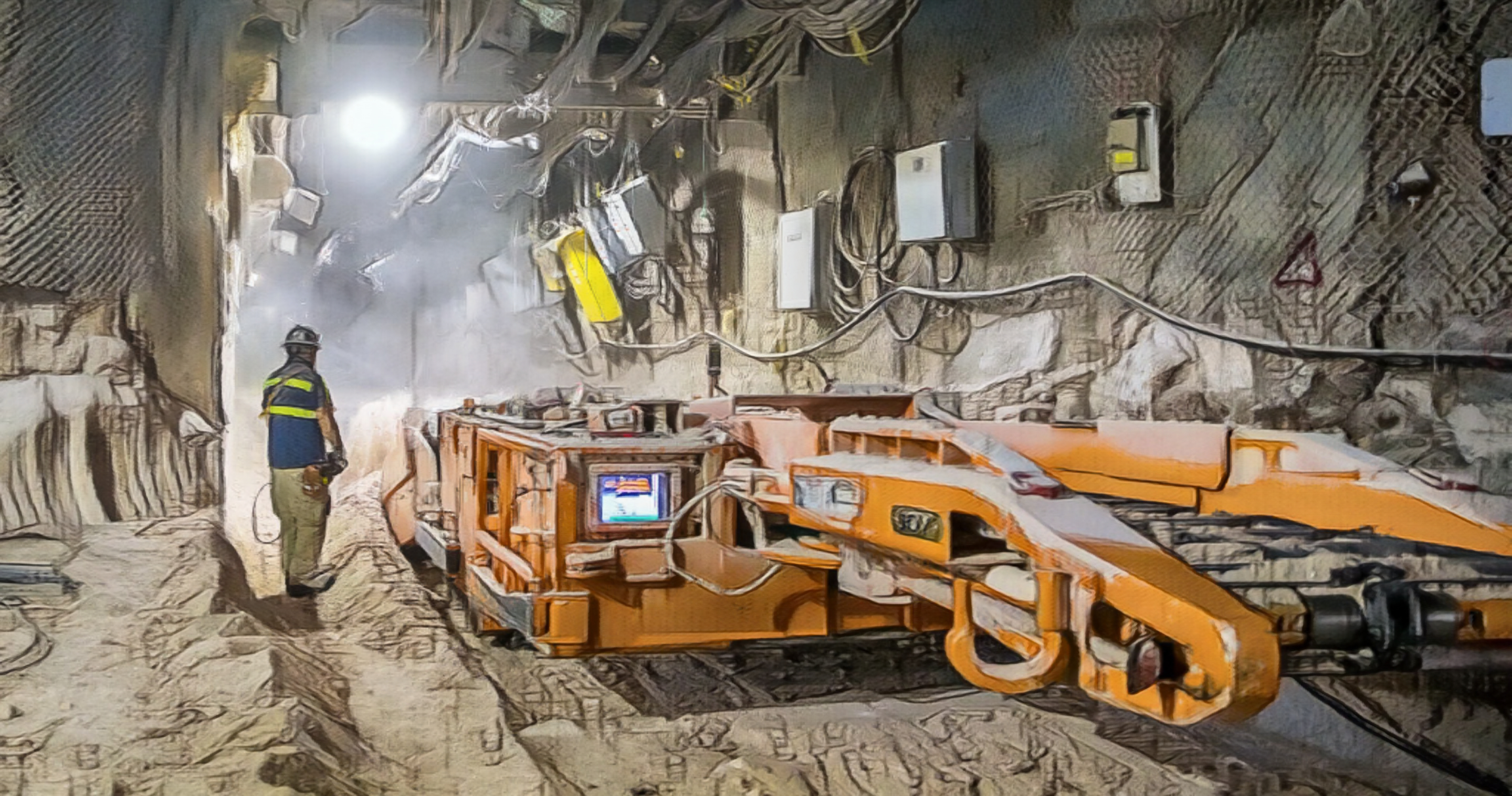
The Antler Motel’s sign still flickers. But the rooms are booked out six months ahead—a first in decades. In Kemmerer, Wyoming, they used to call it a ghost town in waiting. Now, it’s a frontier again. Not for cattle or coal—but for power. Electricity. Jobs. A future, if they can find the right wire to plug into it.
America is rebuilding its energy system. Faster than expected. Slower than needed. And in places like Kemmerer, the shift away from fossil fuels is no longer hypothetical. The future here arrives in blueprints and bidding wars: wind farms, solar fields, small modular reactors, even fusion labs. Energy alternatives are no longer fringe experiments—they’re breaking ground.
Across town, a new survey team parks near the old train depot. One of them asks a man in coveralls where the boundary line ends. “You here for the wind thing or the nuke thing?” he says, spitting into gravel. “Doesn’t matter. They all want land.”
“They shut the coal plant. What else we got?” asked the front desk clerk, brushing dust off a welcome mat that hadn’t seen a guest this side of November.
Somewhere between resignation and resolve, towns like Kemmerer are bracing for a future they didn’t choose. From Campbell County to Clarington to Umatilla, the energy transition isn’t a policy. It’s a footprint. Some buried. Some glowing. Some spanning hundreds of acres. All with a cost.
The clock is ticking. The planet is heating. Electricity demand is set to double by 2050. And every fix carries its own fracture.
Sacrifice zones. That’s what Candyce Paul of the English River First Nation called them, standing against nuclear waste siting in northern Saskatchewan. Places written off for the “greater good.” Mining towns with tailings uphill from playgrounds. Industrial corridors with air too thick to name. Cheap land. Fewer votes. No say.
Coal is dying. Still, it powers a third of the planet. It’s dirty, deadly, and in towns like Kemmerer, it fed generations.