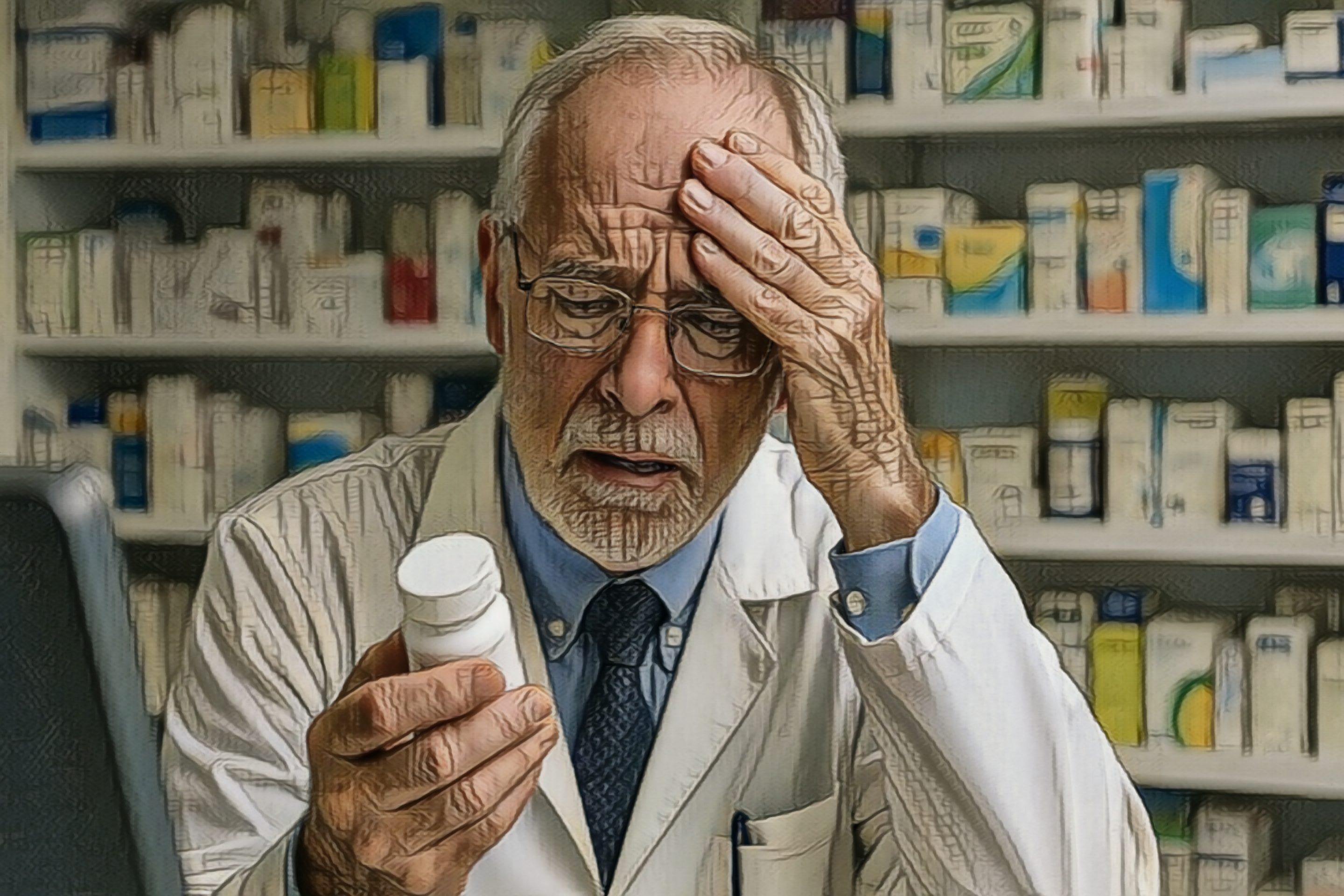
The pharmacist’s hands shook as he rang up the prescription. “That’s not right,” he said. But it was. The price had jumped again—midweek, mid-shift, no warning. Across town, a mother at a clinic in Akron stared down a quieter crisis: antibiotics for her kid’s infection or her own insulin refill. She left with neither.
The tariff had just landed. Seventeen percent slapped onto nearly every pill not made on U.S. soil—meaning most of them. Heart meds from Ireland. Chemo from India. Antibiotics from Germany. The numbers sounded abstract until they didn’t. Until the screen blinked and the pharmacist’s hand wouldn’t stop shaking.
“You can’t tariff your way to a functioning pharmacy.”
Trump called it economic nationalism. Health economists had a different word: rationing. Clinics began splitting doses before the ink on the executive order dried. Community programs started burning through their reserves just to stock insulin and antibiotics. And the safety nets meant to cushion the blow? Already unraveling.
Medicaid drug budgets were slashed. The 340B program—lifeblood for safety-net hospitals—gutted. Research funds that once promised better therapies or cheaper generics vanished overnight. What remained was a kind of engineered scarcity: higher prices, fewer protections, and a hollowed-out system unable to absorb the shock.
In Pennsylvania, a community clinic posted a sign: “Some prescriptions temporarily unavailable. We will contact you when affordable.” At Stanford’s ER, a girl showed up vomiting blood. Yellow skin. Swollen belly. The ICU saved her body, but the real treatment came later—Medicaid paperwork rushed through just in time. The doctor who treated her doubts the next kid will be so lucky.