A secret deal, a fractured White House, and a surrender Ukraine never signed
Kyiv, November 23, 2025 –
Olena noticed the tablet had gone dark when the light disappeared from her daughter’s face.
They were halfway through an old cartoon. The blue glow dimmed, flickered, then vanished — battery dead, maybe for good. She’d bartered for it two months ago, trading a loaf of bread and some batteries. The screen still radiated warmth in her lap, even as the cold pressed through the broken window.
The plastic she’d taped over the shattered pane rose and fell in uneven pulses. It didn’t flap so much as breathe — a slow, shallow intake.
She hadn’t cried when the power failed. Or when the apartment next door collapsed. Or when her brother’s name vanished from Messenger. But she cried when she read the leaked “peace plan.”
Not all 28 points. Just enough. “Ukraine agrees not to join NATO.” “Crimea recognized as de facto Russian.” “Security guarantees void if Ukraine attacks.” Her breath caught on the fourth.
“They wrote it like we weren’t here,” she said later. “Like our country was already gone.”
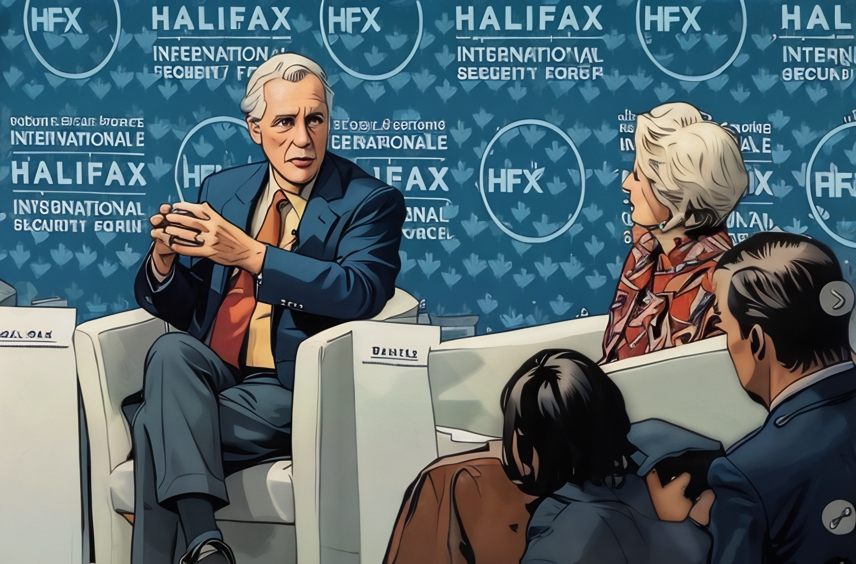
Seven time zones west, under the flickering lights of a Halifax hotel lobby, Senator Angus King held the same document. A reporter asked whether the plan reflected official U.S. policy. He didn’t look up.