How executive power learns to reward itself
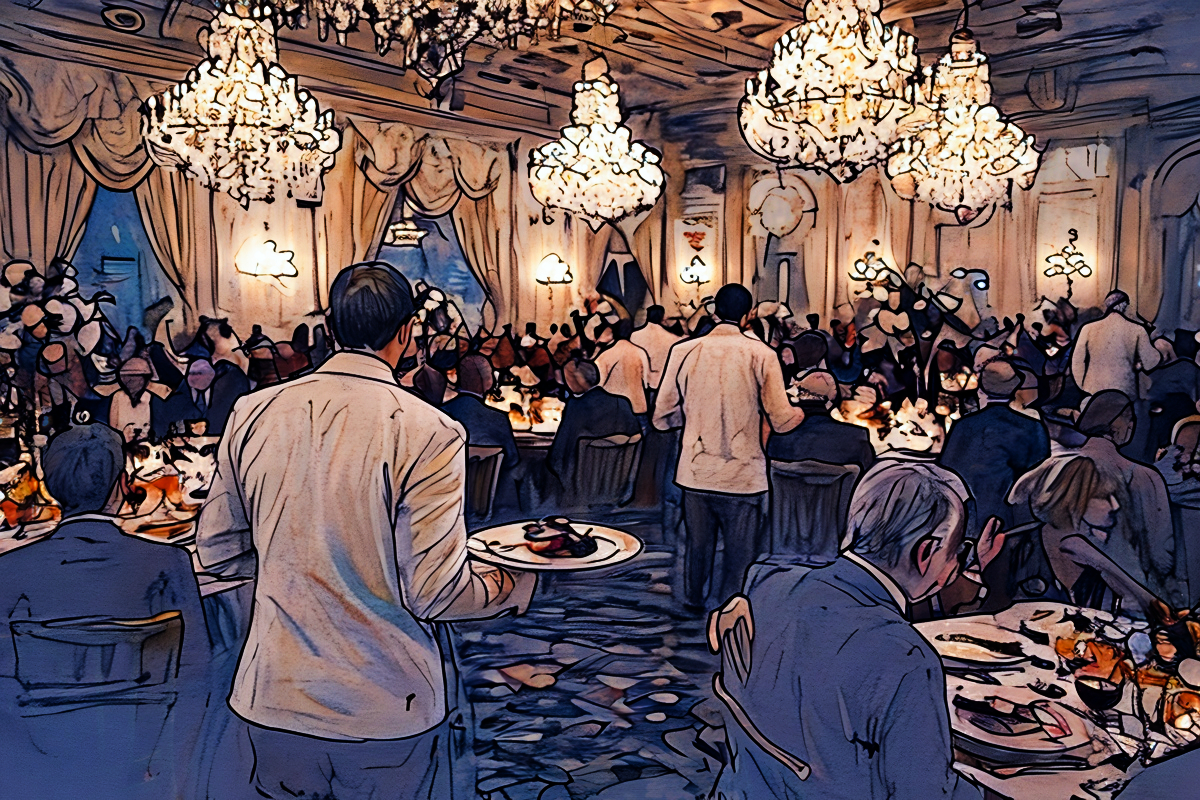
The ballroom doors at Mar-a-Lago were closed, but the bass from the band bled through the walls—low, polished, expensive. The chandeliers trembled just enough to remind you they were real crystal. Waiters in white jackets moved between tables carrying plates that cost more than a week’s groceries in Cleveland. Outside, traffic on South Ocean Boulevard idled in neat, obedient lines while inside the boundary between public authority and private advantage did something quieter than breaking. It softened.
No statute had been repealed. No constitutional clause had been rewritten. The rules were still printed in the U.S. Code, bound in blue.
But in modern governance, rules rarely disappear. They migrate.
At one table, a hedge fund manager from Connecticut described how regulatory “uncertainty” had evaporated in the past month.¹ At another, a construction executive from Texas told a small circle that a federal permitting issue had “worked itself out.”² Near the bar, a former cabinet official nodded in that particular way former officials do when they understand that proximity is a form of currency. The laughter was relaxed and unguarded—the laughter of people who believed they were in season.
A retired procurement officer from Virginia, who had spent twenty-eight years inside the federal acquisition system, watched clips from the evening later and shook his head. “Nobody needs to say anything explicitly,” he told a local reporter.¹¹ “If you control the timing, you control the outcome.” He did not sound outraged. He sounded tired.