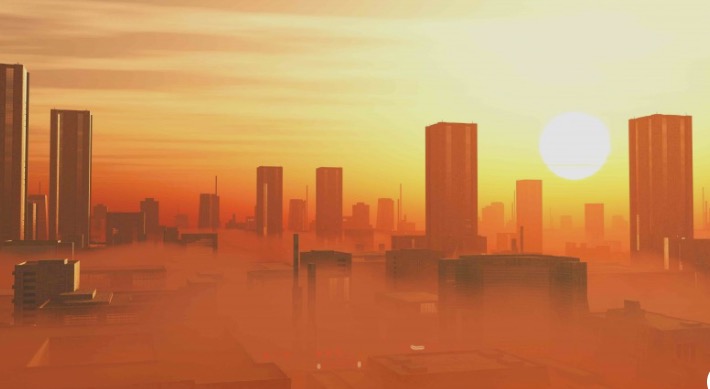
Urban summers are becoming more dangerous—and it’s no accident
It seems very strange to think about urban heat killing people in July when the wind chill is in negative numbers. When pipes are freezing, when the news is full of stranded drivers and ice rescues, heat feels like a problem for another life, another season. But all of this ties together. The same destabilized climate system that delivers brutal cold snaps also delivers punishing summers¹. And in the United States, we have very deliberately reversed course on dealing with climate change. That decision is not abstract. It has consequences, and many of them arrive quietly.
The worst heat doesn’t announce itself. It doesn’t smash records or trigger emergency alerts. It doesn’t dominate the evening news. It just stays. In Roxbury, on a July night that should have cooled by ten degrees, the air hangs on like a grudge. Midnight comes. Then one a.m. The fan pushes warm air from one side of the room to the other. Asphalt gives back everything it absorbed during the day. Sleep becomes shallow, then impossible.
By morning, no one calls it a heat wave. But bodies remember.
This is how heat kills in American cities now—not with drama, but with duration. Climate change raises the baseline temperature². Cities trap it³. History decides who can escape it⁴.
Boston, New York City, and Washington, D.C. have spent the last decade discovering the same uncomfortable truth: heat is no longer a weather problem. It is an urban design problem layered on top of a warming climate, and it is getting worse faster than most people realize⁵.
The danger isn’t how hot it gets at noon. It’s how long the night refuses to cool.
Every city has two climates. One is measured at the airport, clean and official. The other lives between buildings, over parking lots, inside apartments that never quite cool down. That second climate is what scientists call the urban heat island, but the phrase understates the problem. It’s not an island. It’s a trap.