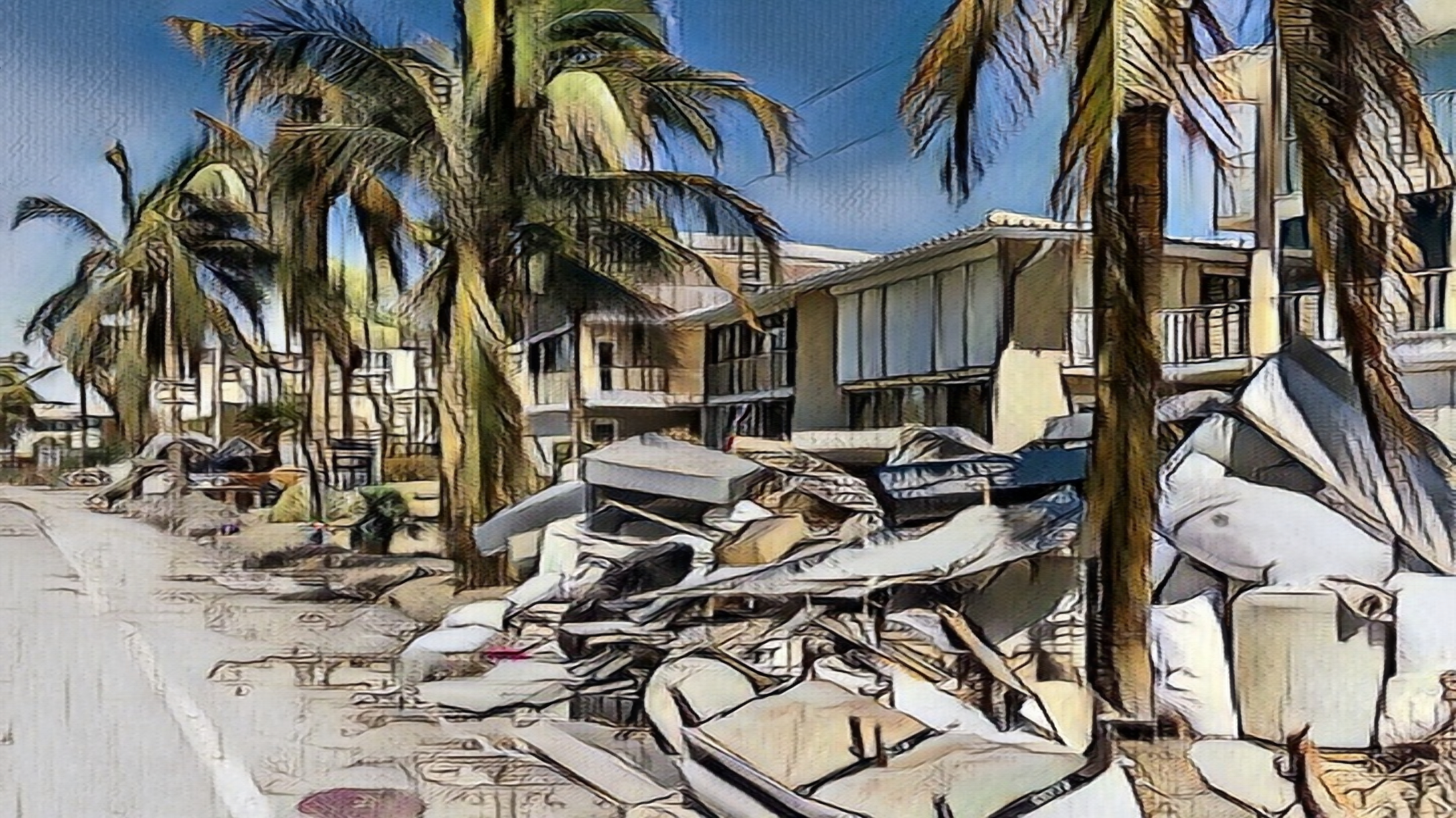
The water had that sharp, soured-tile smell—like mildew ground into a gym shower floor. Linda Kilfoil stood in her Fort Lauderdale kitchen watching it pool around her feet. Her husband Peter tried not to slip as he fetched towels. She remembers him cracking a joke about “resilience”—about how the state wouldn’t stop using that word as $40,000 worth of drywall, cabinetry, and wiring warped and buckled around them.
They had done what homeowners are told to do. They filed a claim with Citizens Property Insurance Corporation, Florida’s state-run insurer of last resort. They waited. Then they got the denial.
“Long-term leakage,” they were told. Not covered. Even though the pipe had burst like a firecracker just three days after a Category 2 hurricane.
They sued. Or tried to. But their case never reached a courtroom. Instead, it was diverted into a narrow hallway of bureaucracy known as the Division of Administrative Hearings—DOAH for short—where there’s no jury, no discovery, and no chance to cross-examine the adjuster who denied your claim. Just a state-employed judge, a fast-tracked process, and a settlement offer so low it might as well have been a dare.
They took it. Peter was already battling two types of cancer. He didn’t have the strength for another drawn-out fight.
The final payout? Five hundred dollars.
Six months later, Peter died.
The smell of mildew fades from the tile. But in Florida, a deeper rot is setting in.
Over the last three years, Florida’s home insurance crisis has pushed more than 1.4 million policyholders into Citizens after private insurers either fled the state or collapsed under the weight of back-to-back billion-dollar storms¹. As disasters doubled, then doubled again—four in 2022, eight in 2023, eleven in 2024—state lawmakers moved fast.