The story of four North Atlantic islands fighting erosion, memory, and the physics of a warming ocean.
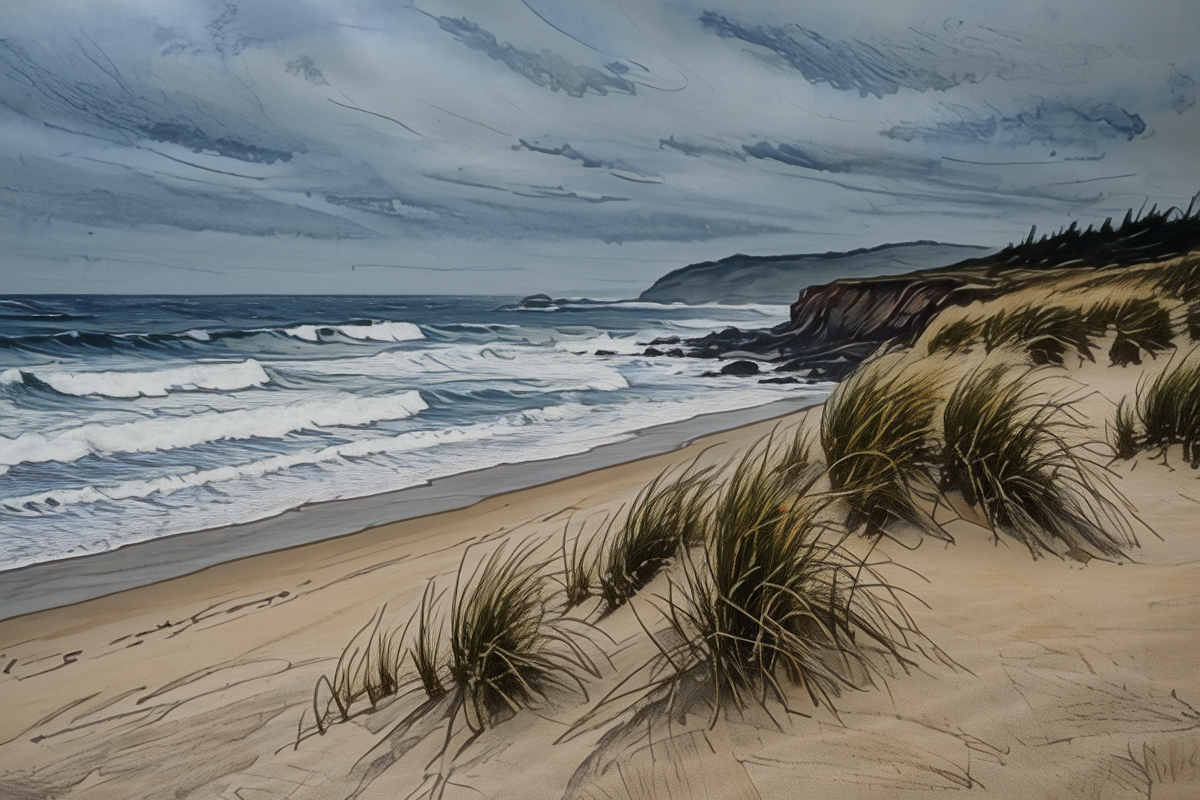
The first thing you feel is the cold. Not a tentative chill, but the loose, confident push of Atlantic wind coming at you sideways. It carries salt, a little iron, and the deep-throated sound of water hitting rock somewhere just out of sight.
Underfoot, the sand answers with a quiet squeak—white in many places, ground so fine it moves like powder, streaked at times with patches of black magnetic sand that glitter when the sun slips free. Farther west, on Prince Edward Island, the same grit glows a burnt orange, as if the cliffs have surrendered their color grain by grain to the wind.
I’ve always admired the people who live out here. Newfoundlanders, Mi’kmaq families, Acadians, the six thousand French citizens of Saint-Pierre and Miquelon—communities that carry themselves with a practiced calm in weather that never seems to settle. And these folks, and especially newfoundLANDers, are always friendly to people “from away.”
Newfoundland didn’t join Canada until 1949. And Canada is still sorting out the bureaucratic snarl of “lost Canadians,” people who slipped through the cracks of pre-1947 citizenship laws. Belonging, in this corner of the Atlantic, has always been a negotiation. Out here, the wind always has a say.
Farther north, on the edge of Newfoundland’s Great Northern Peninsula, the coastline folds into a series of coves where Portuguese fishermen dried cod on stone racks in the early 1500s. They were here before Champlain, before the maps caught up, staking out camps on the rock because the cod were impossibly thick just offshore.