The Court narrows Black political power. The administration moves to strip protection from Haitians and Syrians. White South Africans are invited in. The old order has learned paperwork.
Rose-Thamar Joseph stood outside the Supreme Court with her phone in her hand. Inside, the justices were hearing whether Temporary Protected Status for Haitians and Syrians could be ended. Outside, another decision had already arrived: Louisiana’s second Black-majority congressional district was gone.¹
The same week brought another number: 10,000. Reuters reported that the administration had discussed adding 10,000 refugee slots for white South Africans, even as the overall refugee ceiling had been cut to 7,500.²
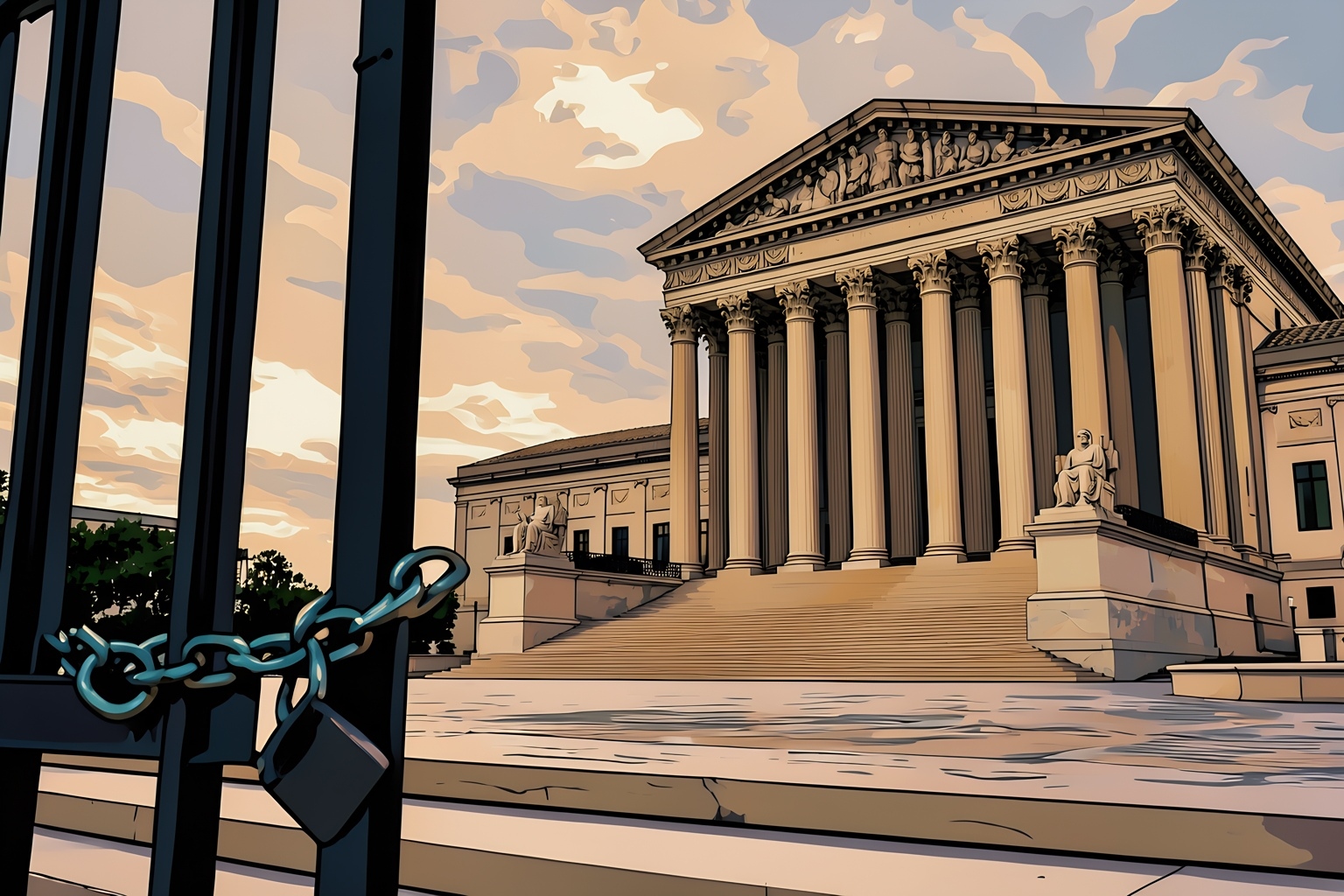
A map, a notice, a gate. Each had a legal explanation. Each moved through a different part of government. Each affected a different group. Put together, they made a pattern visible.
First came the map.
In Louisiana, Black residents make up about one-third of the state. After the 2020 census, the state’s congressional map gave them one district where they could reliably elect their preferred candidate. A lower court found that map likely violated Section 2 of the Voting Rights Act, so Louisiana drew another map, this time with two Black-majority districts.³
The Supreme Court said the second district went too far.