It didn’t smell like sweat or diesel. It smelled like promise.
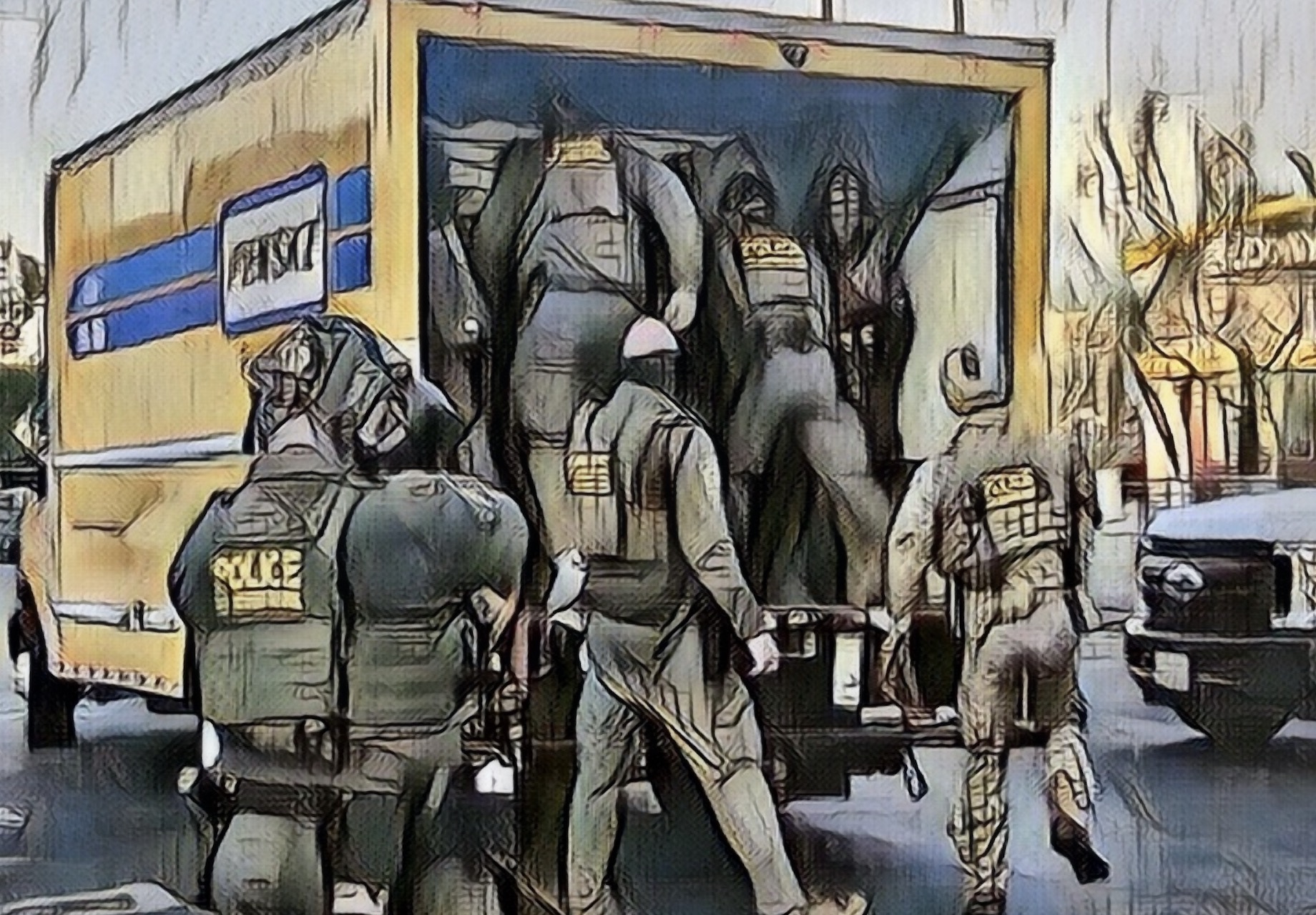
August 6, 2025. Westlake, Los Angeles. The yellow Penske truck pulled into the Home Depot lot a little after 6 a.m. A few men stepped forward—cautiously at first, then with more purpose. They’d seen it before. A contractor pulls in, nods, slides open the rear, and points.
That morning, Alma Reyes didn’t see who opened the back. But she saw what happened next.
“They jumped out like it was a trap.”
There were no ladders inside. No buckets. No planks of drywall. Just uniforms and handcuffs. ICE agents in plain clothes. Two men were cuffed on the spot. One tried to run but didn’t get far. He wasn’t charged with anything violent. Just “unlawful presence.”
Later, the Department of Homeland Security would call the tactic a “mobile compliance operation.” But people in Westlake just called it the van.
Ángel C. had seen raids before. But never like this.
“They used to come with Suburbans. Unmarked. Quiet. They would ask.”
That morning, he said, they didn’t ask.
The truck pulled in like any other. It idled. It lured.
“We thought it was work.”
For two decades, contractors and day laborers had treated the Home Depot lot like neutral ground—a handshake zone, a hiring market. If immigration agents showed up, they came on foot and flashed badges. Not anymore.
“This was like a game,” said Alma. “They used a moving van like a battering ram on trust.”