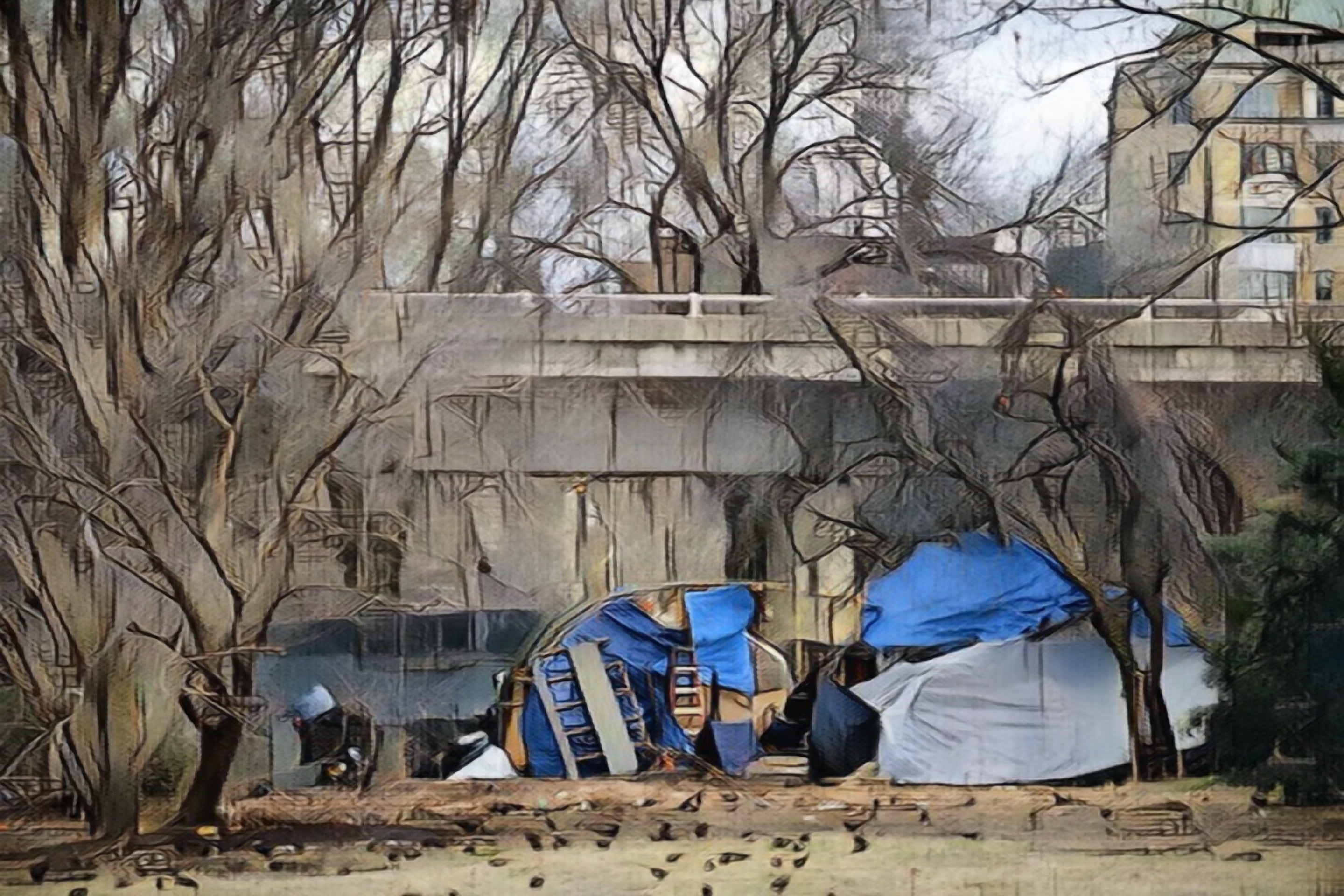
He was barefoot when they took him. Just a plastic wristband, three black trash bags on the curb, and a psychiatric hold code: “gravely disabled, unable to care for self.” No charges. No consent. No visible path home.
His name was Derek. He lived in a tent behind a liquor store off Western Avenue in L.A. Neighbors said he played chess, helped fix flashlights, kept a plywood shrine to his mother lit with tea candles. His file said “resistant to treatment.” He disappeared in June.
Under California law, that code—5150—allows clinicians or police to detain someone for up to 72 hours if they appear mentally ill and a danger to themselves or others. A 5250 can extend that to 14 days. Consent is optional.
“He needed a place to rest. They gave him a case number.”
On July 24, 2025, President Donald Trump signed an executive order: Ending Crime and Disorder on America’s Streets. It directs federal agencies to incentivize the removal of unhoused people from public spaces—especially those labeled mentally ill or addicted—and funnel them into institutions. Civil commitment, once a narrow psychiatric tool, is recast as a matter of public safety.
The order calls current approaches “an abdication of duty.” It dismisses harm reduction as “taxpayer-funded narcotics,” and promises “compassionate institutional care”—without defining it, funding it, or requiring it.
It’s not a new idea. It’s an old American reflex dressed in new urgency: conceal distress, isolate disorder, call it compassion.