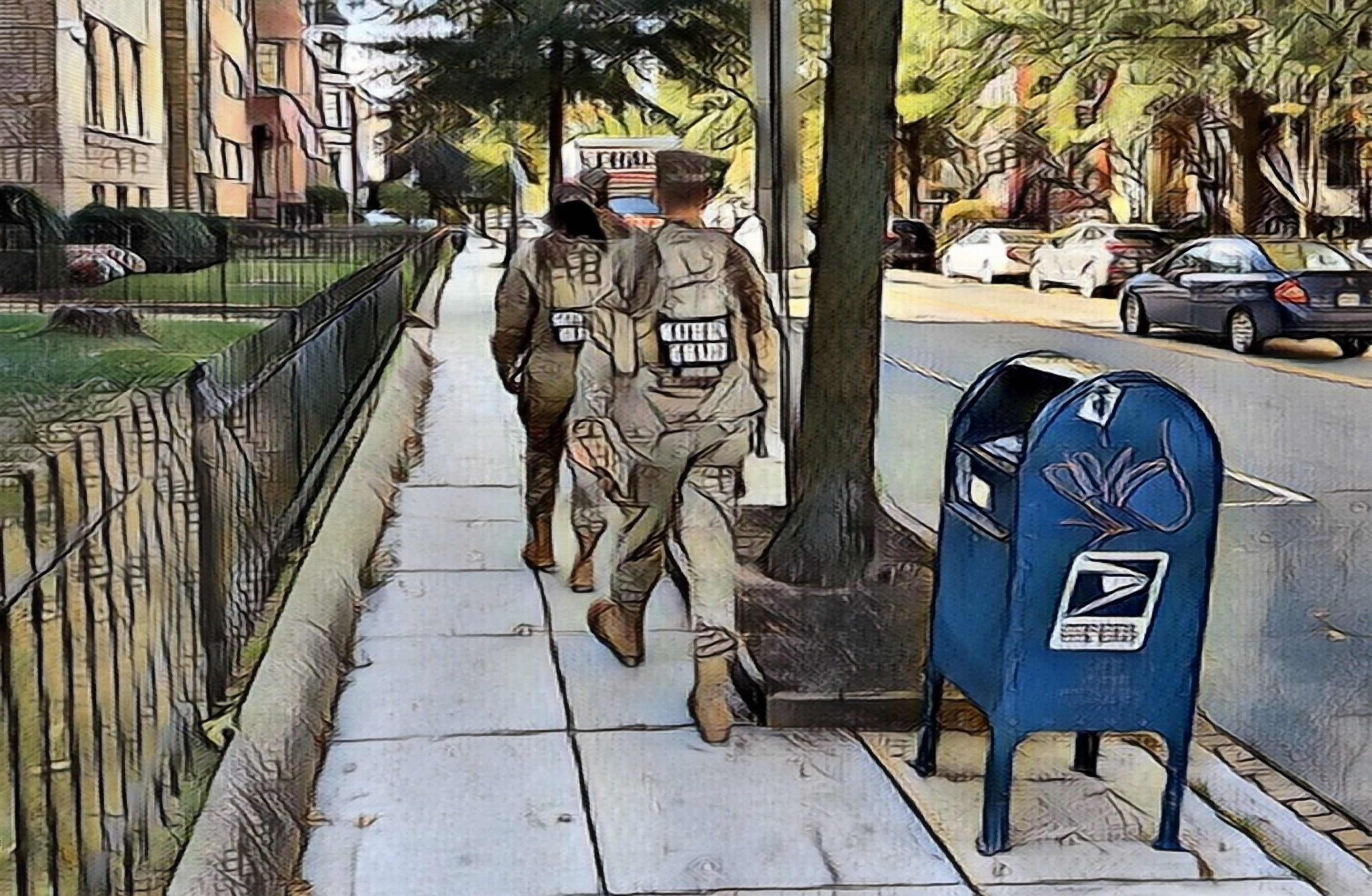
By evening, Google had yanked Red Dot, a sister app used by undocumented families in Portland, Houston, Atlanta. They cited “violence against vulnerable groups”—a policy section advocates say is meant for at-risk communities, not armed federal officers.² The irony landed like a kick in the chest for organizers who’d used the app to reroute kids from bus stops, alert parents, protect whole blocks from surprise raids.
“A ‘vulnerable group’? ICE?” one Chicago volunteer said, holding up her cracked phone. “We use it to walk our kids to school. You tell me who’s vulnerable.”²
For Joshua Aaron, it was personal long before it became political.
He’d built ICEBlock in his garage, using a code template meant for scavenger hunts. His wife, a junior legal analyst at the Department of Justice, filed paperwork and read briefs in silence while he coded. The morning after Bondi’s public condemnation, she was escorted out of her office and told she’d been reassigned—no explanation given. “They called it a ‘temporary reassignment,’” she told him that night. “Temporary to what?”³
Apple had previously approved ICEBlock. After back-channel conversations with law enforcement, it pulled the app, citing “objectionable content” and the “potential for harm to law enforcement.”¹ Google followed with its policy-language rationale.² A DHS spokesperson, asked generally about such tools, said apps that facilitate evasion “pose safety risks” to officers and the public—an argument developers and civil-liberties groups squarely contest. The spokesperson declined to comment on ICEBlock specifically.¹²
That week, Aaron started getting anonymous messages with lines from federal statutes and a warning: