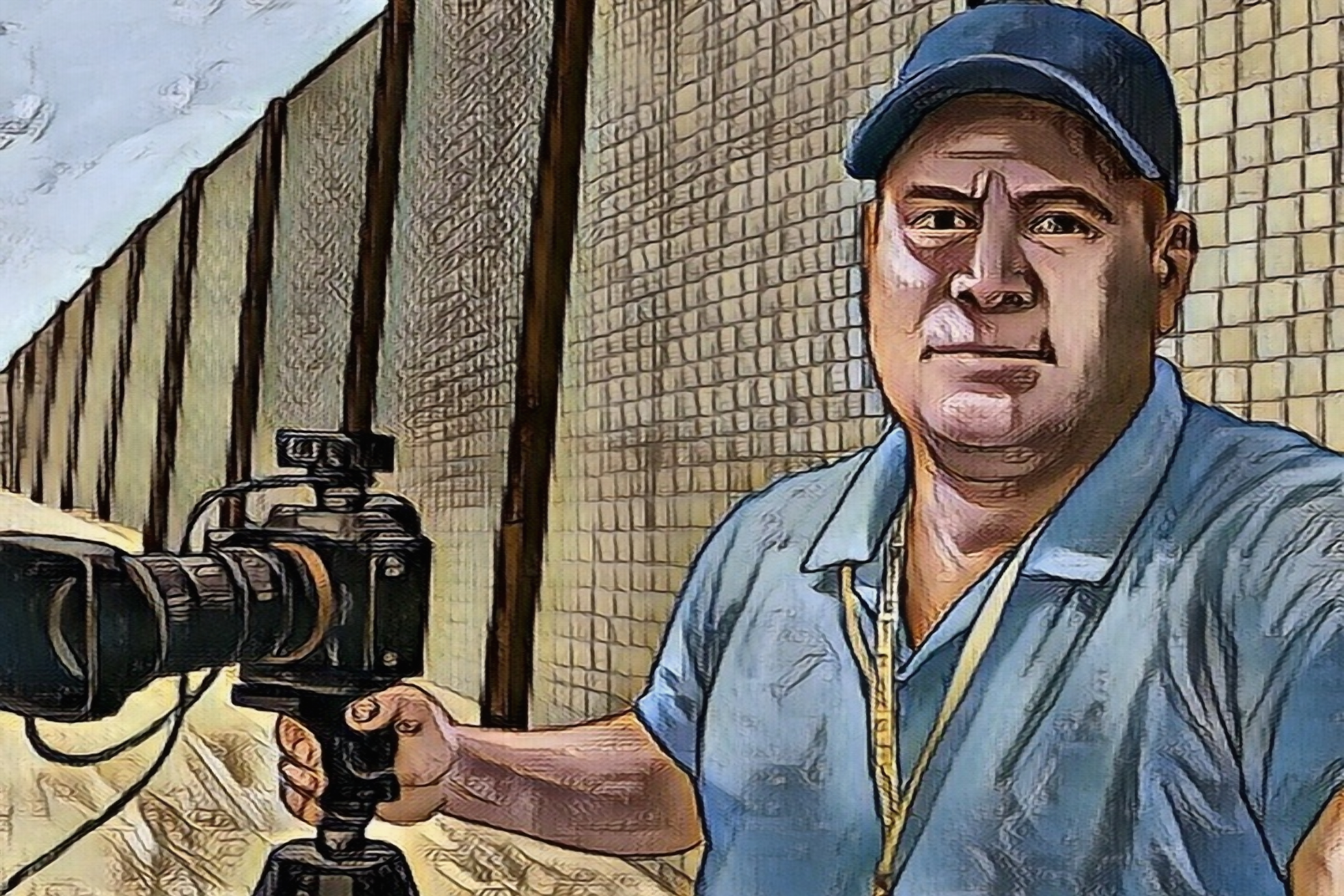
The kitchen was quiet except for the hum of the refrigerator and the tinny echo of a speakerphone. Katherine Guevara stood with one hand on the counter and the other gripping the phone as if pressure alone might pull her father’s voice through it. But the line had gone dead an hour ago. The call from Louisiana had been short—no time for goodbye, just confirmation that Mario had been moved again. This time, there wouldn’t be another stop.
At 3:42 a.m., while Atlanta slept, an ICE van rolled up to a small airport in Alexandria. Mario Guevara—Emmy winner, reporter, husband, dad—boarded a plane in shackles and silence. He landed in San Salvador just after breakfast. His family found out from the lawyer.
The fridge buzzed again. Katherine wiped her nose. “I can’t imagine us being separated in any way,” she’d said a week earlier, when the stay was still pending. “He deserves to be back with us in his community doing what he loves… There was no reason for any of this to happen.”
“Journalists should not have to fear government retaliation… showing up to work should not result in your family being torn apart.” —Scarlet Kim, ACLU
There was no reason. The June arrest at the “No Kings” protest had evaporated within days—no indictment, no conviction, just a police body cam showing Mario doing what he always did: filming. Livestreaming, actually. A habit ICE prosecutors argued in court made him “a danger to society.” That argument stuck.
It wasn’t the first time that phrase had been used. But it was the first time the U.S. government deported a journalist for live-broadcasting its own agents. Katherine Jacobsen at the Committee to Protect Journalists called it “a troubling sign of the deteriorating freedom of the press under the Trump administration.”