.
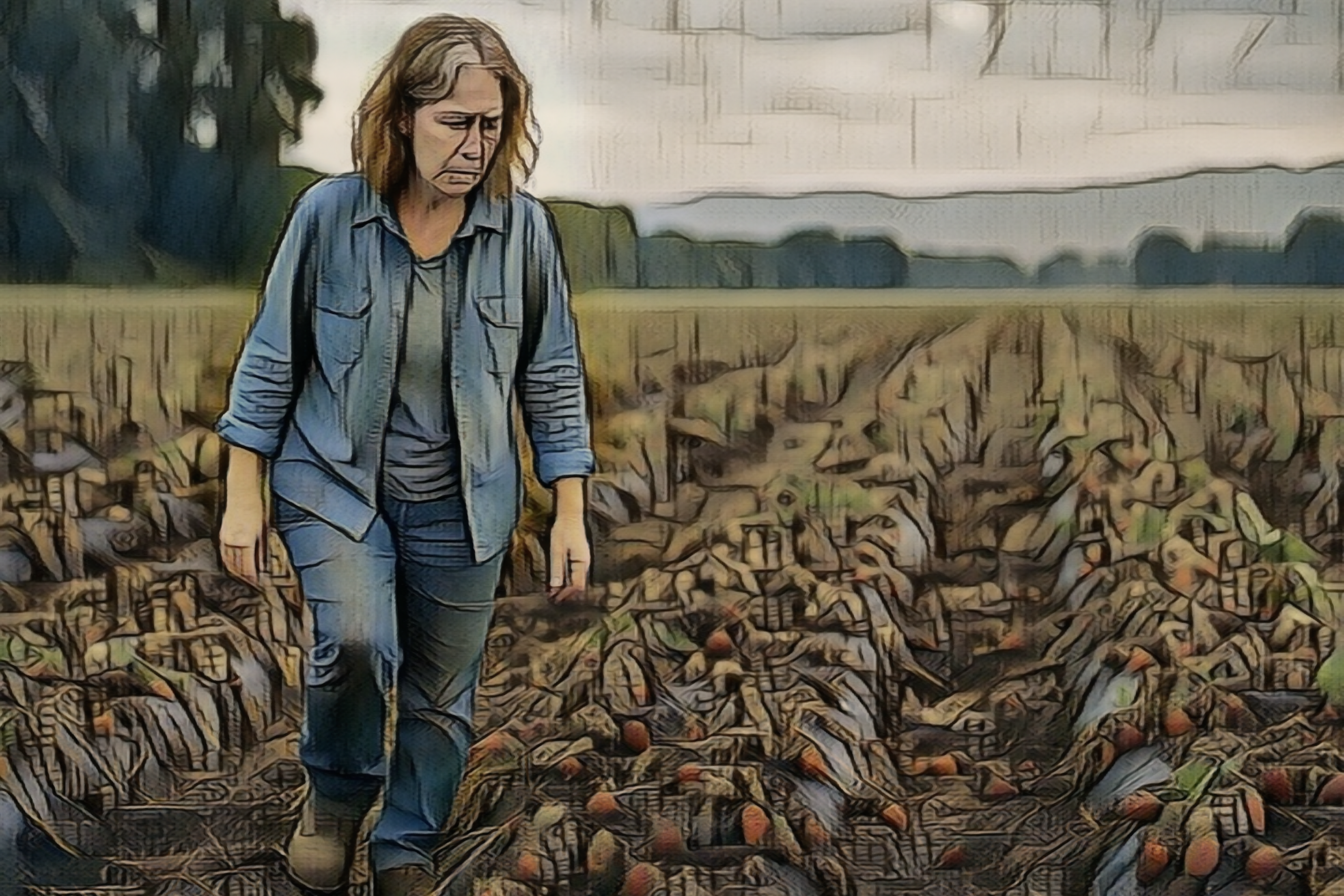
Lisa Tate had walked her rows a hundred times before, but this was the first time she felt like she was walking a graveyard. “If 70% of your workforce doesn’t show up, 70% of your crop doesn’t get picked,” she said, dragging her boot through the mulch. “And strawberries—they rot fast.”
The ICE vans had come through Ventura County the week before. Unmarked, mostly. Fields that usually hummed with Spanish chatter fell quiet overnight. By morning, most of the crews were gone. Some workers had been there for decades. One hadn’t seen his family in Mexico since 1996. Others just stopped answering their phones.
“We used to worry about sunburn and pests. Now it’s whether anyone will show up at all.”
No one argues anymore about whether the fields need immigrants. That ship sailed years ago. What’s left now is silence. Fewer hands. More rot.
Matt Teagarden, head of the Kansas Livestock Association, doesn’t sugarcoat it: “Essential isn’t a strong enough word. It is some version of an immigrant, maybe not first generation, but second or third, that are just critical to that work.”
For Teagarden’s members, the contingency plan doesn’t involve high-tech robots or policy wonks. It’s more like, Can I get through the weekend with half a crew? Can I milk the cows myself if I need to?
Dean Johnson, who runs an orchard in Michigan, put it simpler. “Sometimes people come out on a day like today… they’ll pick one box. And then they’re gone.”
Out in the fields, the numbers follow the fruit. About 70% of U.S. farmworkers are foreign-born. Half are undocumented. A single ICE raid can remove 300 hands from a field overnight.