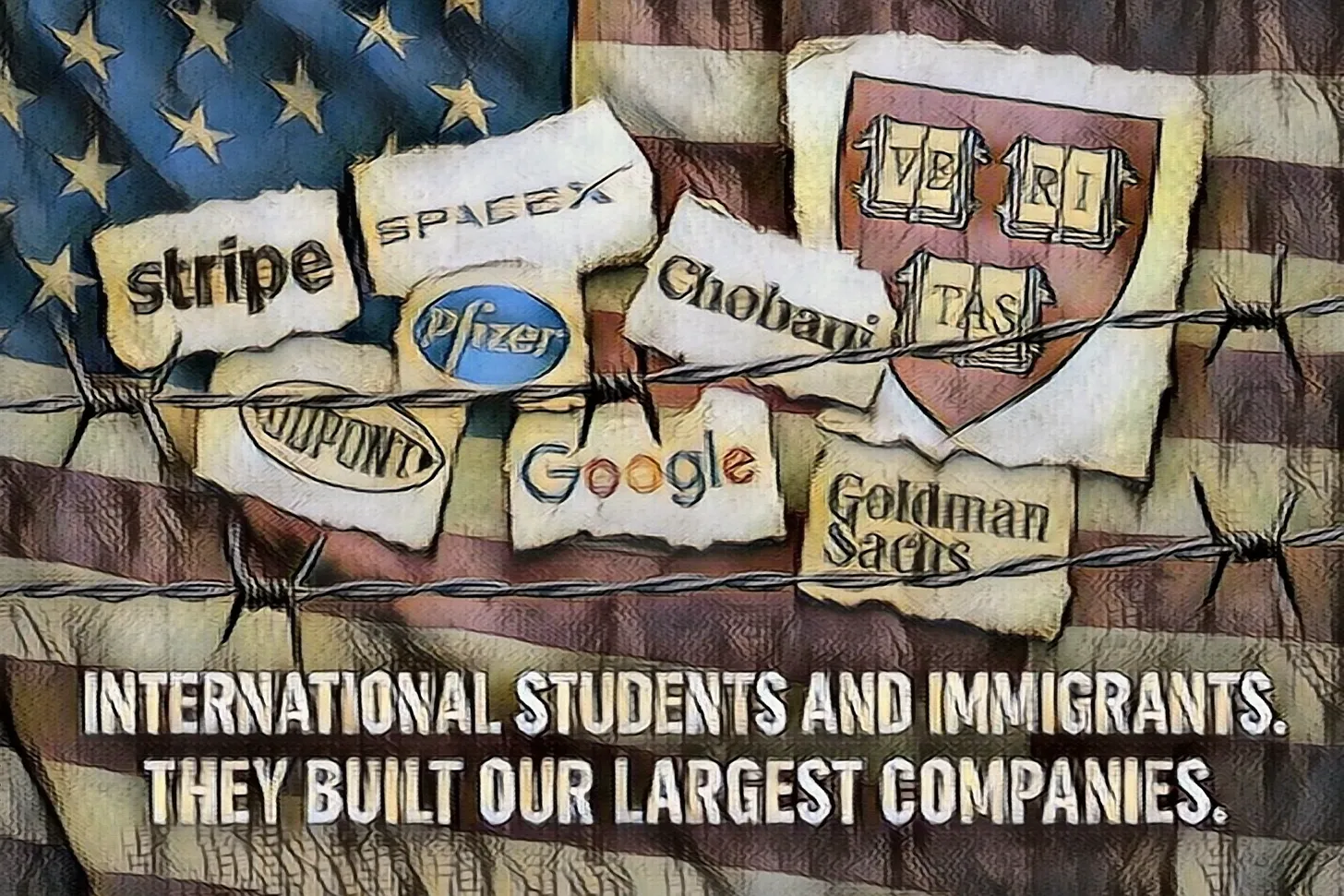
They didn’t fire a shot. They just changed the locks.
At 2:14 p.m. on a gray Wednesday in May, the Department of Homeland Security issued its final order: Harvard University was no longer permitted to enroll international students. Effective immediately. Students already on campus were told to transfer—or pack.
The charge wasn’t academic fraud. It wasn’t espionage. It was “fostering violence.” A crime of politics, according to Homeland Security Secretary Kristi Noem, who cited antisemitism, pro-terrorist speech, and “coordination with the Chinese Communist Party.” Harvard called it unlawful retaliation. But the Trump administration didn’t blink.
“It is a privilege, not a right, for universities to enroll foreign students.”
For Harvard, the move was stunning. For other universities, it was a warning shot.
Within days, DHS sent letters to MIT, Columbia, and Stanford. Princeton got flagged. Yale stayed quiet. International students across the country started pulling transcripts and Googling immigration lawyers.
One Pakistani Ph.D. student at MIT said she was flagged for a parking violation. “They emailed me at 3 a.m. I thought I was being deported,” she told us. She wasn’t. Yet.
“The new policy doesn’t need a trial—it just needs suspicion.”
But this isn’t just a story about Harvard. Or even about visas. It’s about forgetting who built the house.
Procter & Gamble, DuPont, Pfizer, Goldman Sachs—these are not startups. They’re the foundation. Every one of them was started by immigrants.
William Procter (England) and James Gamble (Ireland) met in Ohio and created a soap company now